The Problem Families Don’t Always See at First
Most families don’t wake up one morning and decide their loved one suddenly needs help. The situation usually develops slowly. A parent begins skipping meals because cooking feels tiring. Laundry piles up because stairs feel unsteady. Appointments get missed, not from forgetfulness alone, but from fatigue and confusion.
In Montgomery County and nearby areas, many older adults live in homes built decades ago brick colonials with steep basement stairs, split-level houses with half flights between rooms, or older apartments with narrow bathrooms. These spaces were never designed with aging bodies in mind. Over time, everyday movements become harder, even risky.
What makes this stage so challenging is that seniors often look “fine” during short visits. They may tidy up before family arrives or brush off concerns to avoid worry. Meanwhile, adult children feel something is off but struggle to define it clearly. This uncertainty is often where stress begins to grow.
Why Ignoring Small Struggles Can Lead to Bigger Consequences
When small challenges go unaddressed, they rarely stay small. I’ve watched many situations where families hoped things would stabilize on their own. Instead, daily strain quietly wore people down.
Fatigue increases the risk of falls. Missed medications can lead to hospital stays. Isolation can affect memory and mood far more than most people realize. Seniors who stop driving or going out regularly often lose confidence quickly, even if they are physically capable.
The emotional impact is just as serious. Older adults may feel embarrassed asking for help or worry they’re becoming a burden. Family members, on the other hand, feel torn between responsibilities and guilt. Without support, this tension can damage relationships that matter most.
Reframing the Role of Home Help for Seniors
This is where home help for seniors often changes the story but not in the way many people expect. It isn’t about taking over someone’s life or removing independence. It’s about preserving it.
Support at home fills the gap between full independence and medical-level care. It addresses daily friction points before they turn into emergencies. When seniors feel supported rather than supervised, they often become more active, not less.
Help with meals can improve nutrition and energy. Assistance with light housekeeping reduces fall hazards. Gentle reminders for medications protect health without feeling controlling. Most importantly, regular human presence reduces loneliness, a factor closely tied to cognitive and emotional decline.
A Real Case from Montgomery County
To understand how this works in practice, consider a situation similar to many I’ve encountered.
Mr. Thomas L., a 79-year-old retired teacher, lived alone in a two-story colonial in Gaithersburg. The home had original hardwood floors and a narrow staircase leading to bedrooms upstairs. After knee surgery, he recovered physically but never regained confidence using the stairs while carrying items.
At first, he adjusted by limiting trips upstairs. He slept on the couch, skipped showers, and relied on frozen meals to avoid cooking. His daughter, who lived in Silver Spring, noticed he seemed tired and withdrawn but assumed it was part of aging.
The turning point came after a mild fall near the staircase. No injury occurred, but fear set in. That fear changed how he moved, how he ate, and how often he left the house.
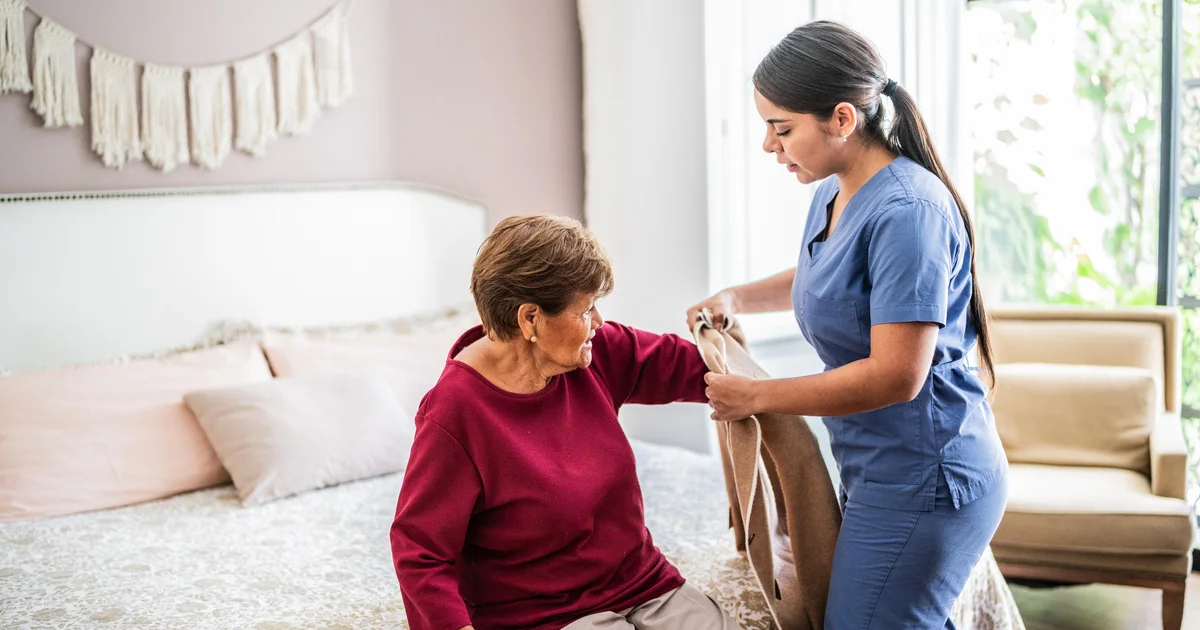
With professional support at home, the difference was noticeable within weeks. A caregiver helped with morning routines, prepared simple fresh meals, and assisted with laundry so Mr. Thomas didn’t feel forced to use the stairs unnecessarily. Just as important, the caregiver encouraged safe movement instead of avoidance.
Over time, his confidence returned. He began using the stairs again with support and resumed short walks in the neighborhood. His daughter noticed fewer urgent calls and more relaxed conversations. The help didn’t replace family, it strengthened their relationship.
How Home Care Services Quietly Improve Quality of Life
Quality home care services are designed to adapt. They don’t impose rigid schedules or unnecessary tasks. Instead, they respond to real needs as they evolve.
These services often include:
- Support with daily routines like bathing, dressing, and meals
- Medication reminders and basic wellness checks
- Mobility assistance to reduce fall risk
- Companionship that supports mental and emotional health
What many families don’t realize is how closely daily assistance connects to long-term health outcomes. Proper nutrition supports strength. Consistent routines protect memory. Emotional connection reduces anxiety. Together, these benefits often prevent hospital visits and delay the need for more intensive care.
This natural link between personal support and overall well-being is where home-based help becomes part of a larger care story, rather than a temporary fix.
Respecting Independence While Offering Support
One concern seniors raise often is the fear of losing control. That fear deserves respect. Any care arrangement that ignores personal choice is unlikely to succeed.
The most effective approach starts with listening. Instead of telling someone what they need, ask what feels hardest during the day. Is it standing long enough to cook? Is it bathing safely? Is it managing errands?
When seniors participate in shaping their support, resistance fades. Care becomes a partnership rather than an intrusion. In Montgomery County, I’ve seen this approach work especially well in long-established neighborhoods, where seniors feel deeply connected to their homes and routines.
Planning Early Creates Better Outcomes
Families who plan early have more options. Waiting until a crisis limits choices and increases stress. Introducing support gradually allows trust to build and routines to settle naturally.
Helpful early steps include:
- Walking through the home to identify safety concerns
- Having open conversations about daily challenges
- Seeking professional guidance before emergencies occur
These steps don’t commit anyone to permanent arrangements. They simply create space for informed decisions, made calmly instead of under pressure.
Why Timely Support Matters More Than You Think
Support at home isn’t about dependency, it’s about sustainability. Seniors who feel safe and supported often stay healthier longer. Families who feel reassured can focus on connection instead of constant worry.
From a professional perspective, I’ve seen how early, thoughtful care prevents decline that might otherwise seem inevitable. The right help, introduced at the right time, changes trajectories.
Conclusion
If someone you care about is struggling quietly, now is the moment to act. Early support protects health, dignity, and peace of mind. It allows seniors to remain in the homes they love while receiving the care they deserve.
Reach out today @ (301)755-9671 to discuss in-home support options with an experienced care professional. A simple conversation can prevent emergencies, ease family stress, and help your loved one continue living with confidence at home.