
Learning to play a musical instrument is an exciting journey, especially when you choose the bass guitar. Whether you enjoy rock, jazz, blues, pop, or funk, the bass guitar plays an important role in creating the rhythm and harmony of a song. However, if you are new to music, learning the bass guitar might seem challenging at first. You may wonder where to begin, how to understand musical notes, or how to play along with your favorite songs. This is where beginner bass lessons can make a real difference. With proper guidance, regular practice, and a structured learning approach, beginners can develop essential musical skills from the start. At Brooks Peoples Academy and Arts, students can explore bass lessons designed to help them understand the instrument, improve their playing techniques, and build a strong musical foundation.
1. Understand the Basics of Playing Bass Guitar
Every successful musician starts by learning the basics. Before playing complicated songs or experimenting with different musical styles, beginners need to understand how their instrument works. Beginner bass lessons introduce students to the essential parts of the bass guitar, including its strings, frets, pickups, bridge, and tuning keys.
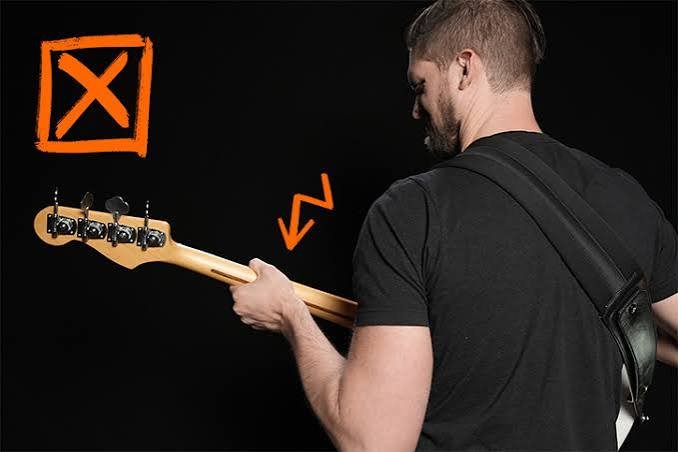
Moreover, students learn how to hold the instrument correctly, position their hands, and maintain a comfortable playing posture. These simple skills may seem unimportant initially, but they make a significant difference as students progress.
With professional guidance, beginners can avoid common mistakes and develop good playing habits. As a result, they can feel more comfortable with their instrument and enjoy learning new techniques.
2. Develop Proper Finger Placement and Playing Techniques
Finger placement is one of the most important skills every beginner bass guitarist should develop. Your fingers control the notes you produce, so using the correct technique helps you play more clearly and comfortably.
During beginner bass lessons, students learn how to position their fretting-hand fingers across the strings and press the notes correctly. They also practice using their index and middle fingers to pluck the strings with better control.
Furthermore, instructors can introduce exercises that improve finger strength, coordination, and flexibility. Although these exercises may feel challenging initially, regular practice helps students become more confident.
Learning the correct techniques early also reduces unnecessary hand tension and makes it easier to play more advanced bass patterns later.
3. Build a Strong Understanding of Rhythm and Timing
The bass guitar is closely connected to rhythm. It works with the drums to create the rhythmic foundation that supports the entire band. Therefore, beginners need to understand timing before moving toward more complicated playing techniques.
Beginner bass lessons help students recognize beats, count musical patterns, and play notes at the right moment. They may start with simple exercises using a metronome to maintain a steady tempo.
For example, students can practice playing one note on every beat before moving to more complicated rhythmic patterns. Gradually, they learn how to play eighth notes, quarter notes, and basic grooves.
Most importantly, developing good timing helps beginners become reliable musicians who can play comfortably with other instruments.
4. Learn Musical Notes and Basic Music Theory
Understanding music theory can make learning the bass guitar much easier. Although beginners do not need to memorize complicated musical concepts immediately, learning basic notes and scales gives them a useful starting point.
Through structured bass lessons, students can learn the names of the strings, understand how notes are arranged on the fretboard, and recognize basic musical patterns.
Additionally, instructors can introduce major scales, minor scales, and simple intervals. These concepts help students understand how different notes work together to create music.
As their knowledge improves, beginners can identify patterns instead of memorizing every song individually. Consequently, they become more independent and develop a deeper understanding of music.
5. Improve Coordination Between Both Hands
Playing bass guitar requires both hands to work together. One hand presses the strings against the frets while the other plucks them to produce sound. Coordinating these movements can be difficult when you are just starting.
However, beginner bass lessons provide exercises that gradually improve hand coordination. Students may begin with simple one-note patterns and then practice moving between different strings and frets.
In addition, practicing slowly allows beginners to focus on accuracy rather than speed. Once their movements become more natural, they can gradually increase their playing speed.
Better coordination also makes it easier to learn new songs, play different bass lines, and explore more challenging musical techniques.
6. Develop Better Listening Skills Through Bass Practice
Learning music involves more than playing the correct notes. Good musicians also develop the ability to listen carefully and recognize how different instruments work together.
The bass guitar plays an important role in connecting rhythm and harmony. Therefore, beginners need to understand how their bass lines support the melody and complement the drums.
During bass training classes, students can practice listening to simple songs and identifying the bass sounds. They may also learn to recognize changes in rhythm, repeated musical patterns, and different note combinations.
Over time, these activities improve musical awareness and listening skills. As a result, students become better at playing along with recordings and performing with other musicians.
7. Gain Confidence by Learning Simple Songs
One of the most enjoyable parts of learning the bass guitar is playing your favorite songs. Beginners often feel excited when they can finally recognize and perform a bass line from a familiar track.
Private bass lessons or beginner group classes can introduce students to simple songs that match their current abilities. Starting with easier music allows learners to apply their basic techniques without feeling overwhelmed.
For instance, they can practice songs with repeated notes, simple rhythms, and straightforward bass patterns. As their skills improve, they can gradually explore more challenging music.
Learning familiar songs also makes practice more enjoyable. Instead of treating every practice session like an exercise, students can experience the excitement of creating music.
8. Understand How the Bass Supports Other Instruments
The bass guitar has a special responsibility in a musical arrangement. It connects the rhythmic patterns of the drums with the harmonic structure created by instruments such as guitars, keyboards, and pianos.
Beginner bass lessons help students understand this important musical role. They learn that playing bass is not simply about producing low sounds. It involves choosing the right notes and maintaining a consistent groove that supports the entire song.
Furthermore, students can explore basic chord progressions and learn how bass notes relate to chords.
This knowledge helps beginners understand how music works as a whole. It also prepares them for playing with bands and participating in group performances.
9. Establish Consistent Practice Habits
Regular practice is essential for developing any musical skill. Even a talented beginner needs time to build finger strength, improve timing, and become comfortable with the instrument.
Professional bass instruction can help students establish a realistic practice routine. Instead of practicing randomly, they can follow specific exercises and learning goals.
Here are a few helpful practice habits for beginners:
- Practice for 15 to 30 minutes daily, depending on your schedule.
- Warm up your fingers before playing.
- Review previously learned notes and exercises.
- Use a metronome to improve timing.
- Practice simple songs to develop confidence.
- Focus on accuracy before increasing playing speed.
- Review your progress and identify areas that need improvement.
Most importantly, remember that consistency matters more than practicing for several hours once a week. Small improvements over time can produce excellent results.
10. Explore Different Musical Styles and Techniques
One of the best things about learning bass guitar is the variety of musical styles you can explore. From rock and pop to jazz, blues, funk, and country, the bass guitar plays an important role in many genres.
Beginner bass lessons service introduce students to different sounds, rhythms, and playing approaches. They can experiment with simple grooves and learn how different musical styles influence bass playing.
For example, rock music often features powerful and straightforward bass lines, while funk music uses rhythmic patterns and syncopation. Jazz introduces more complex musical ideas as students develop their skills.
Exploring different genres keeps learning interesting and helps beginners discover their musical preferences.
11. Prepare for More Advanced Bass Guitar Skills
Building a strong foundation makes future learning easier. Once beginners understand basic techniques, rhythm, musical notes, and simple songs, they can gradually explore advanced playing skills.
These may include fingerstyle techniques, playing with a pick, slides, hammer-ons, pull-offs, and more complicated bass lines.
Additionally, students who understand basic music theory can begin exploring improvisation and creating their own musical patterns.
The important thing is to progress at a comfortable pace. Trying advanced techniques before mastering the fundamentals can lead to frustration and poor playing habits.
With structured bass education programs, beginners can develop their abilities step by step and prepare for more challenging musical experiences.
12. Choose Brooks Peoples Academy and Arts for Beginner Bass Lessons
Choosing the right learning environment can make your musical journey more enjoyable and productive. Beginners benefit from proper instruction, practical exercises, and guidance that matches their individual learning abilities.
Brooks Peoples Academy and Arts offers bass lessons as part of its music education services. Students interested in learning the bass guitar can develop essential skills while building their understanding of rhythm, musical notes, finger placement, and playing techniques.
Whether you are completely new to music or have some experience with another instrument, starting with the fundamentals can help you make steady progress.
With consistent practice and professional guidance, you can become more comfortable playing the bass guitar and develop the confidence to explore different musical styles.
Frequently Asked Questions
1. Are beginner bass lessons suitable for people with no musical experience?
Yes! Beginner bass lessons are suitable for people with little or no musical experience. They introduce basic techniques, musical notes, rhythm, and simple exercises that help students learn gradually.
2. How long does it take to learn basic bass guitar skills?
The learning timeline depends on your practice routine and individual progress. With consistent practice, many beginners can develop basic playing skills within a few weeks or months.
3. Do I need to understand music theory before learning bass guitar?
No. You do not need previous music theory knowledge. Beginner bass lessons introduce basic musical concepts as you learn to play.
4. How often should beginners practice bass guitar?
Beginners can start with 15 to 30 minutes of daily practice. Regular sessions help improve finger coordination, timing, and playing accuracy.
5. Can beginner bass lessons help me play with a band?
Absolutely! Learning rhythm, timing, basic chord progressions, and listening skills prepares beginners to play with other musicians.
Conclusion: Start Building Your Musical Foundation With Bass Lessons
Learning the bass guitar is a rewarding experience that helps you develop musical knowledge, coordination, rhythm, and confidence. Beginner bass lessons provide the guidance needed to understand essential techniques and build good playing habits from the beginning. By practicing regularly, learning simple songs, and exploring different musical styles, you can gradually become a more skilled musician. If you are ready to begin your musical journey, consider the bass lessons service offered by Brooks Peoples Academy and Arts. With structured learning and consistent effort, you can develop a strong musical foundation and enjoy the excitement of playing bass guitar.