Medically reviewed by Dr. Sannia Awais
Introduction
The results of PRP injections for knees in Abu Dhabi depend on several factors, including the severity of joint damage, the patient’s overall health, platelet concentration, treatment technique, and post-treatment care. While some people experience noticeable improvements in knee pain and mobility, others may see more gradual or limited results.
Platelet-rich plasma (PRP) therapy has gained attention as a non-surgical option for people experiencing knee pain, particularly those with mild to moderate knee osteoarthritis. It uses components of a person’s own blood to support the body’s natural healing processes.
However, PRP treatment does not produce identical results for everyone. Understanding what influences its effectiveness can help patients develop realistic expectations and make informed decisions about their joint health.
In this guide, we explore how PRP injections work, the factors that influence treatment outcomes, who may benefit, how PRP compares with other treatments, and what to expect during recovery.
What Is PRP Injection Treatment for Knees?
PRP injection treatment for knees is a minimally invasive procedure that uses concentrated platelets from a patient’s own blood to help manage joint pain and support tissue health. It is commonly considered for people experiencing symptoms associated with knee osteoarthritis and certain musculoskeletal conditions.
PRP stands for platelet-rich plasma. Platelets are small blood components that play an important role in blood clotting and contain growth factors and other signalling proteins involved in tissue repair.
During treatment, a healthcare professional collects a small blood sample and processes it using a specialised centrifuge. This separates the blood components and concentrates the platelets within a plasma solution.
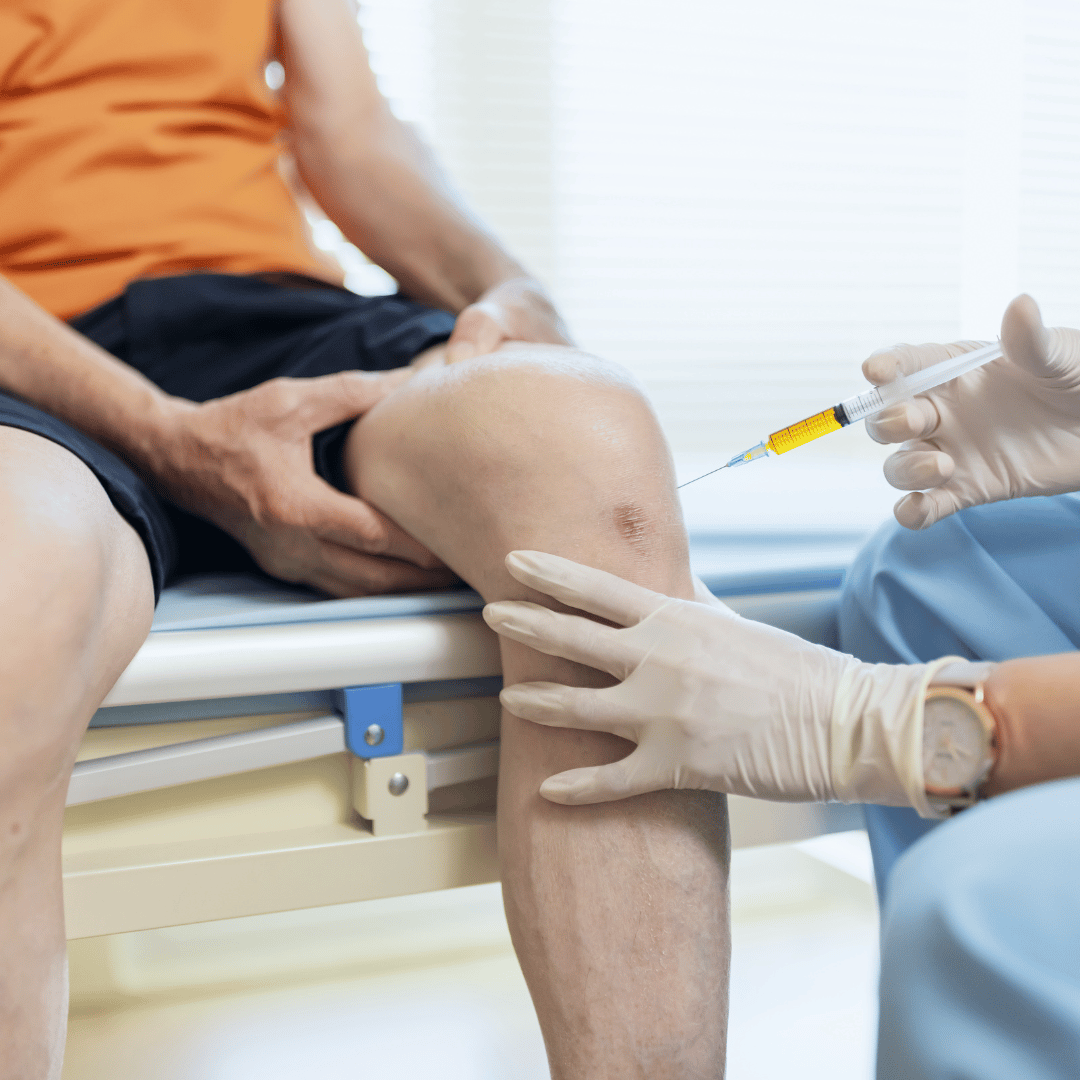
The resulting platelet-rich plasma is then injected into the affected knee joint.
Important components of PRP include:
- Platelets: Contain growth factors that participate in the body’s natural repair processes.
- Plasma: The liquid portion of blood that carries proteins and other substances.
- Growth factors: Signalling proteins that influence cellular activity and tissue repair.
- Cytokines: Molecules involved in regulating inflammation and immune responses.
PRP formulations can differ depending on the preparation method, platelet concentration, and white blood cell content.
Although research suggests that PRP may help improve pain and function in some people with knee osteoarthritis, it is not a guaranteed treatment and has not been proven to regenerate damaged knee cartilage.
How It Works and Its Benefits
PRP injections work by delivering a concentrated preparation of platelets into the knee, where their growth factors and signalling molecules may influence inflammation and tissue repair processes. The degree of improvement depends on individual health, joint condition, and treatment-related factors.
How Does the PRP Procedure Work?
The treatment generally involves the following steps:
- Blood collection: A small amount of blood is drawn from the patient’s arm.
- Centrifugation: The blood sample is placed in a centrifuge, which separates its different components.
- PRP preparation: The platelet-rich portion is collected and prepared for injection.
- Knee injection: The prepared solution is injected into the targeted area of the knee. Ultrasound guidance may be used to improve injection accuracy.
- Aftercare: Patients receive instructions about activity restrictions, pain management, and rehabilitation.
The procedure is usually performed without surgery and typically takes less time than an invasive orthopaedic operation.
What Influences PRP Injection Results for Knees?
Several patient-related and treatment-related factors can influence how well PRP injections work.
1. Severity of Knee Osteoarthritis
The condition of the knee joint is one of the most important considerations.
- People with mild to moderate osteoarthritis may be more suitable candidates for PRP treatment.
- Advanced cartilage damage and significant joint deterioration can make meaningful improvement less predictable.
- Severe joint deformity or extensive structural damage may require other treatment approaches.
PRP may help manage symptoms, but it should not be considered a replacement for joint replacement surgery when that procedure is medically necessary.
2. Platelet Concentration and PRP Quality
The composition of the prepared PRP can influence treatment outcomes.
- Platelet concentration determines how many platelets are delivered in the prepared solution.
- Preparation systems differ in their ability to separate and concentrate platelets.
- The overall composition, including growth factors and other blood components, may affect the biological response.
Research suggests that platelet concentration may be associated with clinical outcomes. However, there is no universally established concentration that guarantees better results for every patient.
3. Age and Overall Health
A patient’s age and general health may influence their response to treatment.
- Younger patients may experience better outcomes in some studies.
- Chronic health conditions can affect tissue health and recovery.
- Metabolic health, circulation, and general physical condition may also be relevant.
- Older age does not automatically make someone unsuitable for PRP therapy.
Treatment decisions should consider the patient’s overall medical history rather than age alone.
4. Body Weight and Activity Levels
Excess body weight can place additional pressure on the knee joints, potentially worsening pain and mobility problems.
- Maintaining a healthy weight can reduce unnecessary joint stress.
- Low-impact exercises can help strengthen the muscles supporting the knee.
- Excessive high-impact activity may aggravate existing symptoms.
- Appropriate physical activity can support long-term joint function.
Combining PRP with a suitable exercise and weight-management plan may help patients manage their symptoms more effectively.
5. Injection Technique and Treatment Protocol
The way PRP is prepared and administered also matters.
- Accurate injection placement helps deliver PRP to the intended joint area.
- Ultrasound guidance may improve needle positioning.
- The number and spacing of injections should be based on the patient’s condition and clinical evidence.
- Appropriate preparation and sterile techniques help reduce procedural risks.
There is no single treatment protocol that works equally well for everyone.
6. Post-Treatment Care and Rehabilitation
Recovery habits can influence the overall treatment experience.
- Following the practitioner’s activity recommendations helps avoid unnecessary irritation.
- Gradually returning to normal activities can support recovery.
- Physiotherapy may improve muscle strength and joint stability.
- Maintaining a healthy lifestyle can help manage ongoing knee symptoms.
Patients should avoid assuming that PRP alone will resolve their knee problems.
Potential Benefits of PRP Injections for Knees
Depending on the patient’s condition and response, potential benefits may include:
- Reduced knee pain and discomfort.
- Improved joint movement and flexibility.
- Better ability to perform everyday activities.
- Improved walking comfort.
- Reduced stiffness in some patients.
- A minimally invasive treatment option.
- Use of the patient’s own blood components.
It is important to understand that these are potential benefits rather than guaranteed outcomes. PRP does not reliably restore lost cartilage or reverse advanced osteoarthritis.
Who Is a Good Candidate?
PRP injections may be suitable for adults experiencing persistent knee pain, particularly those with mild to moderate knee osteoarthritis who have not achieved sufficient relief from conservative treatments. Suitability depends on a medical assessment and the patient’s individual treatment goals.
A healthcare professional may consider PRP for people who:
- Experience ongoing knee pain associated with osteoarthritis.
- Have mild to moderate cartilage degeneration.
- Experience stiffness or reduced knee mobility.
- Want to explore non-surgical treatment options.
- Have not experienced sufficient improvement with exercise, physiotherapy, or other conservative approaches.
- Are generally healthy enough to undergo an injection procedure.
Who May Not Be Suitable?
PRP treatment may not be appropriate for everyone.
Additional assessment or alternative treatment may be necessary for people with:
- Severe or advanced knee joint damage.
- Active infections or inflammation caused by infection.
- Certain platelet or blood disorders.
- Significant abnormalities in platelet function.
- Uncontrolled medical conditions.
- Certain cancers or other conditions requiring specialist assessment.
People taking blood-thinning medication or anti-inflammatory medicines should discuss these medications with their healthcare professional before treatment. They should never stop prescribed medication without medical advice.
A proper evaluation, including a medical history, physical examination, and imaging when necessary, helps determine whether PRP is a reasonable option.
PRP Injections Compared with Corticosteroid Injections
PRP and corticosteroid injections are both used to manage knee pain, but they work differently and have different treatment goals. PRP uses concentrated blood components, while corticosteroids are medications designed to reduce inflammation.
Understanding these differences can help patients discuss the most appropriate treatment with their healthcare professional.
| Feature | PRP Injections | Corticosteroid Injections |
|---|---|---|
| Main purpose | May improve pain and joint function | Reduce inflammation and pain |
| Treatment substance | Concentrated platelets from the patient’s blood | Anti-inflammatory medication |
| Source | Patient’s own blood | Pharmaceutical preparation |
| Treatment approach | Biological injection | Medication-based injection |
| Onset of relief | Usually gradual, if effective | Often quicker |
| Duration of relief | Variable; some studies report benefits lasting several months | Often temporary and variable |
| Main considerations | Results depend on PRP preparation and patient factors | Repeated injections may have potential joint-related concerns |
Which Treatment Is Better?
Neither treatment is automatically better for every patient.
- PRP: May be considered when longer-term symptom management is a treatment goal, particularly for selected patients with knee osteoarthritis.
- Corticosteroids: May be considered when short-term relief from inflammation and pain is needed.
The American Academy of Orthopaedic Surgeons (AAOS) recognises that PRP may reduce pain and improve function in people with symptomatic knee osteoarthritis, although the strength of supporting evidence is limited.
The choice should depend on the patient’s diagnosis, medical history, treatment preferences, and clinical assessment.
Cost and Recovery
The cost of PRP injections for knees depends on the preparation system, number of injections, healthcare facility, and individual treatment requirements. Recovery is generally straightforward, although temporary discomfort and swelling can occur after the procedure.
What Influences the Cost of PRP Treatment?
Several factors can affect the overall cost:
- PRP preparation technology: Different centrifugation systems and preparation kits may have different costs.
- Number of sessions: Some treatment plans involve more than one injection.
- Clinical assessment: Initial consultations and diagnostic investigations may contribute to the overall expense.
- Injection guidance: Ultrasound-guided procedures may involve additional equipment and expertise.
- Healthcare facility: Treatment charges can vary between medical facilities and locations.
Patients should request a clear explanation of what their treatment package includes before proceeding.
What Is the Recovery Process Like?
Most patients can return home shortly after receiving PRP injections. However, recovery experiences vary.
During the first 24–48 hours:
- Mild pain or tenderness around the injection site may occur.
- Temporary swelling or stiffness may develop.
- Patients may be advised to avoid strenuous activities.
During the first week:
- Normal activities can usually be resumed gradually, depending on symptoms.
- High-impact exercise may need to be avoided temporarily.
- The practitioner may recommend specific activity modifications.
During the following weeks:
- Some patients begin noticing improvements in pain and movement.
- Physiotherapy may help strengthen the muscles around the knee.
- Progress should be monitored according to individual recovery.
Improvement is not always immediate. Some people may need several weeks to notice a difference, while others experience limited improvement.
Are There Any Risks or Side Effects?
PRP injections are generally associated with relatively low procedural risks, but they are not completely risk-free.
Possible side effects include:
- Temporary pain at the injection site.
- Swelling and stiffness.
- Bruising or tenderness.
- Temporary worsening of existing knee discomfort.
- Infection, although uncommon.
- Rare injury to nearby nerves or tissues.
Patients should seek medical attention if they develop increasing redness, significant swelling, fever, severe pain, or other signs of infection.
The use of a patient’s own blood reduces concerns about allergic reactions to donor-derived material, but it does not eliminate all treatment risks.
Frequently Asked Questions
1. How Long Do PRP Injections Take to Work for Knee Pain?
PRP injections do not usually provide immediate pain relief. Some patients begin noticing improvements within a few weeks, while others may require several months to experience changes in knee pain and function. Results vary according to joint condition, PRP preparation, and individual response.
2. How Long Do PRP Injection Results Last in the Knees?
The duration of PRP results varies between patients. Some clinical studies report improvements lasting approximately 6–12 months, although longer or shorter responses are possible. The severity of osteoarthritis, overall health, and ongoing joint care can influence how long the benefits last.
3. Can PRP Injections Regrow Knee Cartilage?
PRP injections have not been proven to reliably regenerate lost knee cartilage. Although growth factors in PRP may influence biological processes within the joint, current evidence does not establish that the treatment can reverse cartilage damage or rebuild an osteoarthritic knee.
4. Are PRP Injections for Knees Painful?
Most patients experience some discomfort during or shortly after the injection. The level of pain depends on individual sensitivity and the condition of the knee. Temporary soreness, swelling, and stiffness are possible, but these symptoms generally improve with appropriate aftercare.
5. Can I Exercise After PRP Injections in My Knees?
Patients are generally advised to avoid strenuous exercise immediately after treatment. Gentle movement and a gradual return to physical activity may be recommended as recovery progresses. A healthcare professional or physiotherapist can provide an appropriate exercise plan based on the patient’s condition.
Conclusion
PRP injection results for knees depend on a combination of factors, including the severity of joint damage, platelet concentration, age, overall health, injection technique, body weight, and post-treatment care. While PRP may help some people experience reduced pain and improved mobility, its effectiveness varies, and the available scientific evidence still has limitations.
Patients should understand that PRP is a symptom-management option rather than a proven way to reverse advanced osteoarthritis or regenerate damaged cartilage. Combining appropriate treatment with physiotherapy, healthy lifestyle habits, and ongoing joint care may support better functional outcomes.