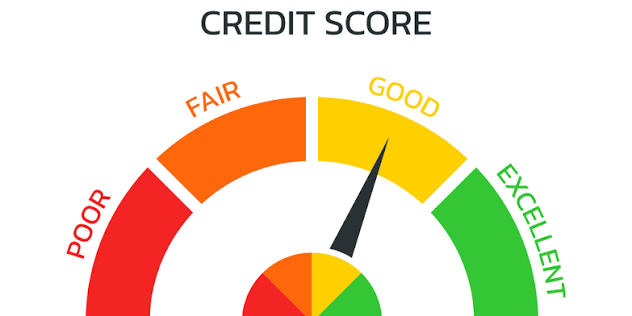
Maintaining a good credit score is essential for financial health, impacting everything from your ability to get a loan to the interest rates you receive. With so much riding on it, understanding what affects your credit score and how long it takes to improve it is crucial for anyone looking to enhance their financial profile.
What is a Credit Score?
Before diving into the factors that can influence your credit score, it’s essential to understand what a credit score is. A credit score is a three-digit number, typically ranging from 300 to 850, that reflects your creditworthiness, indicating how likely you are to repay borrowed funds. Credit scores are calculated based on your credit history, including your payment history, amounts owed, length of credit history, types of credit, and new credit inquiries.
Key Factors That Affect Your Credit Score
Understanding the specific elements that impact your credit score is vital for anyone wanting to improve it. Here is a breakdown of the primary factors:
1. Payment History (35%)
Your payment history accounts for the largest percentage of your credit score. Consistently making on-time payments is crucial; late payments, defaults, and bankruptcies can negatively impact your score. A history of timely payments shows lenders that you are responsible and reliable.
2. Amounts Owed (30%)
Also known as credit utilization, this factor considers the total amount of credit you’re using compared to your total available credit limits. Ideally, you should aim to use no more than 30% of your available credit. High credit utilization can signal to lenders that you may be overextended financially, which could hurt your credit score.
3. Length of Credit History (15%)
The length of your credit history is another significant factor. A longer credit history generally reflects a more experienced borrower, which can boost your score. Lenders prefer to see a well-established credit profile. If you have a newer account, consider keeping old accounts open, even if they aren’t used, as they contribute positively to your credit history.
4. Types of Credit Used (10%)
Your credit mix — including revolving accounts like credit cards and installment accounts like mortgages or auto loans — contributes to your overall credit score. A diverse credit profile can demonstrate your ability to manage different kinds of debt responsibly, potentially improving your score.
5. New Credit Inquiries (10%)
When you apply for new credit, lenders perform a hard inquiry on your credit report, causing a temporary dip in your score. Multiple hard inquiries in a short time can be a red flag for lenders. However, if you’re rate-shopping for a mortgage or auto loan, many scoring models allow multiple inquiries to count as one, provided they occur within a certain timeframe.
The things that affect your credit score also include your overall borrowing behaviour, outstanding balances, repayment consistency, and how frequently you apply for new credit. Keeping track of these factors can help you identify areas that need attention and make informed decisions to maintain a healthy credit profile.
How Long Does It Take to Improve Your Credit Score?
The timeline for improving your credit score varies significantly based on your current situation and the steps you choose to take. Here is a breakdown of what you can generally expect:
Short-Term Improvements (1-3 Months)
If your credit score is lower due to a few late payments, you may see improvements relatively quickly by:
- Making your payments on time.
- Reducing credit utilization by paying down credit card balances.
- Paying off small debts, which can reduce the number of accounts with outstanding balances.
These actions can lead to noticeable improvements in just a few months.
Medium-Term Improvements (4-12 Months)
For issues like collections or charge-offs, it may take more time to see significant changes in your credit score:
- Establishing a routine of prompt payments will be vital.
- If you can negotiate settlements or pay off collections, your score can gradually improve.
- Continuously monitoring your credit report for inaccuracies and disputing any errors can also lead to improvements.
Long-Term Improvements (1 Year and Beyond)
For deeper issues, such as bankruptcy or severe delinquency, rebuilding your credit score can be a more prolonged process:
- With consistent positive behavior over time, such as maintaining low utilization and making timely payments, you can gradually reduce the impact of negative marks on your credit record.
- As older negative accounts drop off your report (usually after seven to ten years), you’ll likely see a more substantial improvement.
The time required to see changes depends on the nature of your credit history and the actions you take. If you are wondering how long does it take to get your credit score back on track, remember that small improvements may appear within a few months, while recovering from serious payment defaults or other negative records can take considerably longer.
Additional Tips for Improving Your Credit Score
Here are some extra tips that can help speed up your credit score improvement journey:
1. Check Your Credit Report Regularly: By reviewing your credit report, you can identify negative entries and inaccuracies that might harm your score. You are entitled to a free report from each of the three major credit bureaus once a year.
2. Become an Authorized User: If you have a trusted friend or family member with a strong credit profile, consider becoming an authorized user on their account. This can add their positive credit history to your report, helping to boost your score.
3. Open New Accounts Wisely: Avoid opening too many new accounts at once, as this can lead to multiple inquiries and lower your score. Instead, apply for new credit selectively based on your needs.
4. Use Credit Monitoring Services: These can provide insights into your credit score and alert you to significant changes, enabling proactive management.
Conclusion
Understanding the factors that affect your credit score and how long it may take to improve it can empower you to take control of your financial health. By focusing on responsible credit behavior — making timely payments, managing credit utilization, and maintaining a diverse mix of credit — you can gradually enhance your credit profile. Remember, improvements take time and consistency, but the effort will pay off in terms of better loan terms, lower interest rates, and a stronger financial future.