
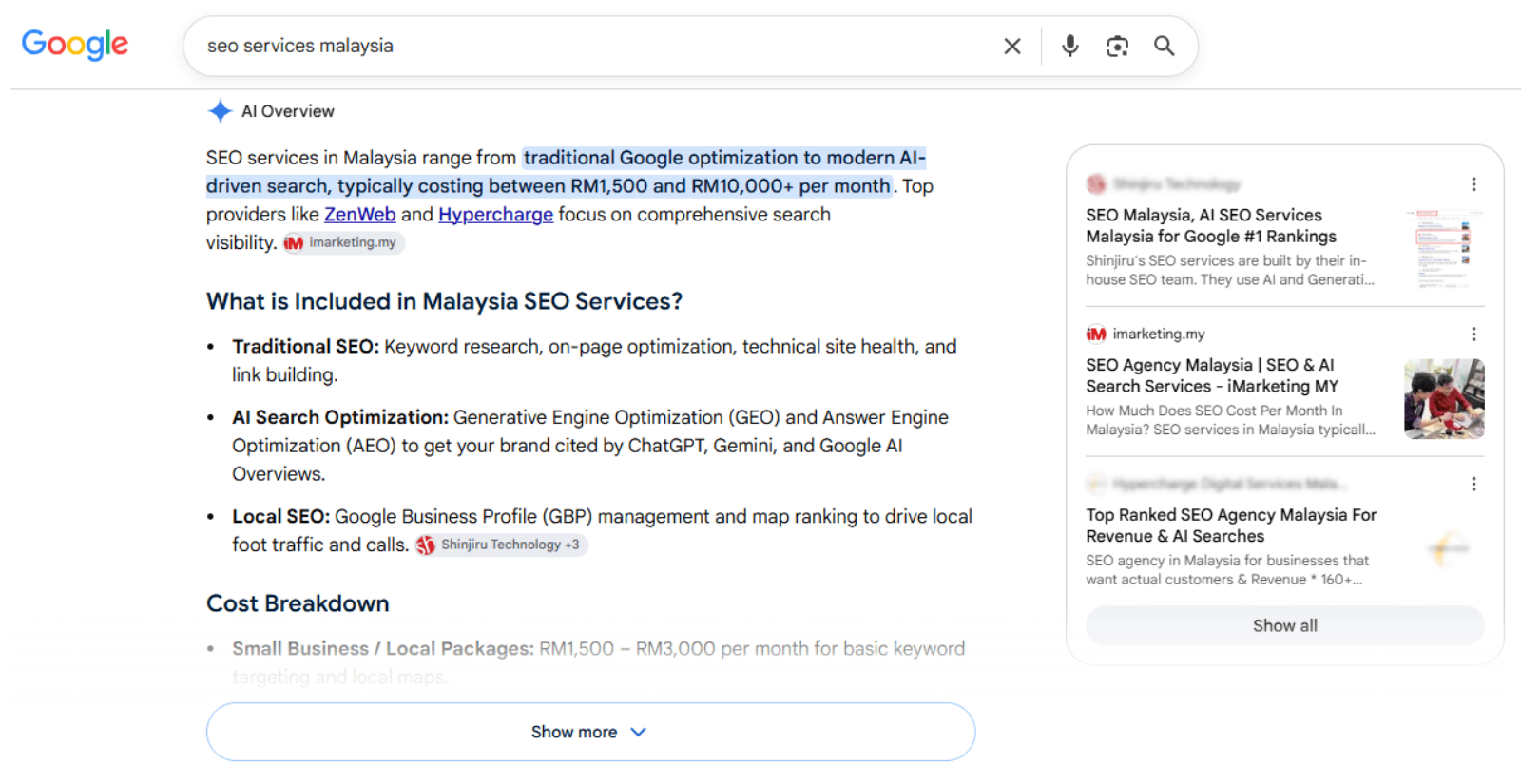
Businesses looking to improve their online visibility often face an important decision: should they build an internal SEO team or invest in professional search optimization services? Both approaches can help companies improve Google rankings, attract organic traffic, and generate qualified leads. However, their costs, resources, expertise, and scalability can differ significantly. The right choice depends on business objectives, available budgets, website requirements, and how quickly a company wants to expand its digital presence. Understanding the advantages and limitations of each approach can help businesses make a more strategic investment in long-term SEO growth.
1. Understanding the In-House SEO Team Model
An in-house SEO team consists of employees who manage search engine optimisation activities internally. Depending on the company’s size and requirements, this team may include SEO specialists, content writers, technical SEO experts, and digital marketing managers.
One of the biggest advantages of an in-house team is direct control. Employees work closely with other departments, making it easier to understand business priorities, coordinate marketing campaigns, and communicate with management.
For example, an e-commerce company may need its SEO team to collaborate regularly with product managers, developers, and sales teams. Having internal specialists can simplify these discussions and allow SEO activities to align closely with business operations.
However, building an experienced team requires considerable investment. Businesses must account for recruitment, salaries, employee benefits, software subscriptions, training, and management costs.
Hiring several specialists may also take time, particularly when the company requires technical SEO knowledge or experienced content strategists.
2. How Search Optimization Services Support Faster Scaling
Professional SEO agencies provide access to specialists who work across different areas of search engine optimisation.
Instead of recruiting individual employees for every SEO function, businesses can work with an established team that already has experience, processes, and optimisation tools.
Depending on the selected package, search optimization services may include:
- Keyword research and competitor analysis.
- Technical SEO audits and website improvements.
- On-page optimisation and content development.
- Link-building strategies.
- Local SEO and Google Business Profile optimisation.
- Keyword ranking and organic traffic monitoring.
- SEO reporting and strategic recommendations.
This model can make it easier for businesses to expand their SEO activities without building an entire department.
For example, a company launching several new service pages may need keyword research, content optimisation, technical checks, and ongoing performance monitoring. An experienced agency can coordinate these activities using its existing team and workflows.
This allows businesses to focus more on their core operations while SEO specialists manage the optimisation process.
3. Comparing Costs and Resource Requirements
Cost is one of the most important considerations when comparing an internal team with an external SEO agency.
An in-house team involves ongoing employment expenses, even when the company’s SEO workload changes. Businesses may also need to purchase additional tools for keyword tracking, backlink analysis, competitor research, and website auditing.
By comparison, an agency generally provides services through a fixed monthly retainer or customised package.
| Consideration | In-House SEO Team | SEO Agency |
|---|---|---|
| Recruitment | Required | Usually unnecessary |
| Salary expenses | Ongoing | Included in service fees |
| SEO tools | Purchased separately | Often included |
| Specialist expertise | Depends on hiring | Access to multiple specialists |
| Management | Internal supervision | Agency coordination |
| Scalability | Depends on recruitment | Often more flexible |
Although agency services can be more cost-effective initially, businesses should evaluate the actual deliverables and quality of work rather than comparing prices alone.
4. Which Approach Provides Better Expertise?
SEO involves multiple disciplines, including technical optimisation, content strategy, website development, analytics, and link building.
An in-house team may have excellent knowledge of the company’s products, customers, and internal processes. However, smaller teams may struggle to cover every specialist area.
An established SEO agency may provide access to professionals with different technical and marketing backgrounds.
This can be particularly useful when businesses encounter complex optimisation challenges, such as website migrations, international SEO, large-scale content development, or highly competitive keywords.
Agencies may also work with different industries, allowing them to bring broader experience and optimisation insights into their campaigns.
Nevertheless, businesses should evaluate an agency’s actual experience, case studies, communication standards, and ability to understand their specific industry.
5. Comparing Speed, Flexibility, and Long-Term Growth
When it comes to scaling, external SEO services often provide greater flexibility because businesses can adjust their campaign requirements without recruiting additional employees.
For example, a growing company may initially focus on five important service pages before expanding into multiple keyword categories and publishing additional content.
An agency can potentially increase its workload through existing resources, depending on its capacity and service agreement.
An in-house team can also scale successfully, but expansion may require additional recruitment, onboarding, training, and management.
However, speed should not be confused with guaranteed SEO results. Both approaches require time, consistent optimisation, and continuous performance evaluation.
Businesses should also consider how quickly each model can respond to changing priorities, website issues, and search engine developments.
6. Can Businesses Combine Both Approaches?
Choosing between an in-house team and an SEO agency does not always have to be an either-or decision.
A hybrid approach can provide a practical balance between internal business knowledge and external SEO expertise.
For example, an internal marketing executive can manage company communications, approve content, coordinate website updates, and share industry insights.
Meanwhile, an external agency can handle technical audits, keyword research, backlink strategies, content optimisation, and performance reporting.
This arrangement allows businesses to maintain internal control while accessing specialist capabilities without recruiting a complete SEO department.
Conclusion
Both in-house SEO teams and external SEO agencies offer valuable advantages, but their scalability differs depending on business resources and requirements.
An internal team provides greater direct control and deeper company knowledge, while professional search optimization services offer flexible access to specialised expertise, established workflows, and SEO resources.
For businesses looking to expand their search visibility without immediately increasing headcount, an external agency can provide a faster starting point. However, larger organisations with substantial ongoing SEO requirements may benefit from building internal capabilities or adopting a hybrid model.
Ultimately, the best approach is the one that supports sustainable organic growth, manages resources efficiently, and consistently turns search visibility into meaningful business opportunities.