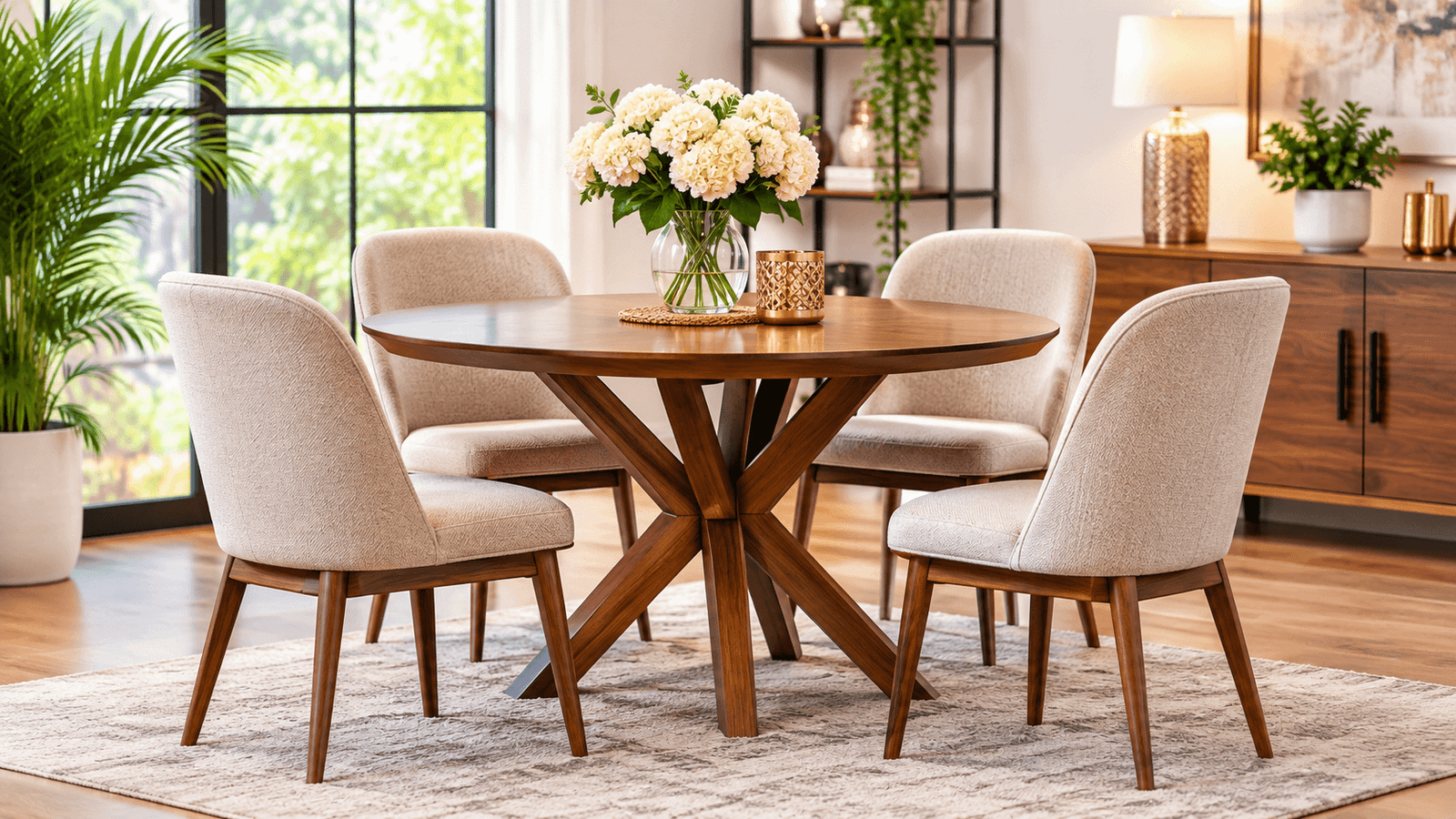
A comfortable home is not just about beautiful furniture; it is about creating spaces that make everyday living easier. A chair with table set is a practical addition that can transform an empty corner into a cosy reading spot, a relaxing coffee area, or a functional space for everyday activities. However, choosing the right combination requires more than picking an attractive design. You need to consider size, material, comfort, durability, and how well the furniture complements your existing interiors.
Whether you are furnishing a living room, bedroom, or study area, this guide will help you understand what to look for before making your purchase.
1. Measure Your Available Space Before Buying
One of the most important steps when choosing furniture is understanding how much space you have. A beautiful furniture set may not be the right choice if it makes your room feel crowded.
Before purchasing, measure the area where you plan to place the chair and table. Consider the width, depth, and height of both pieces to ensure they fit comfortably.
Here are some useful tips:
- Choose compact furniture for smaller rooms.
- Leave enough space for comfortable movement.
- Consider foldable or lightweight designs for flexible arrangements.
- Avoid placing furniture near doorways or walking paths.
- Check the table height to ensure it matches the chair.
For smaller homes, a compact arrangement can provide both functionality and visual appeal without taking up unnecessary floor space.
2. Select Durable and High-Quality Materials
Furniture materials influence appearance, durability, maintenance, and overall value. Therefore, it is important to select materials that match your lifestyle and interior preferences.
Wood remains a popular choice because of its natural texture, strength, and timeless appearance. It can complement traditional, contemporary, and minimalist interiors.
Some common furniture materials include:
- Solid wood: Offers natural beauty, strength, and long-lasting performance with proper care.
- Engineered wood: Provides affordable options in different finishes and designs.
- Metal: Works well in contemporary interiors and offers sturdy construction.
- Upholstery: Adds softness, comfort, and decorative appeal to seating furniture.
If you prefer natural wooden furniture, a solid wood stool can also be a useful addition to your home. It offers extra seating and can complement your existing furniture arrangement.
Always check the construction, joints, surface finish, and overall stability before purchasing.
3. Prioritise Comfort and Proper Seating Support
Furniture should look attractive, but comfort should never be overlooked. If you intend to use your chair regularly for reading, working, or relaxing, choosing the right seating design becomes especially important.
A comfortable chair should provide sufficient back support and a well-proportioned seat. The cushioning should feel supportive rather than excessively soft.
Consider these features when selecting your furniture:
Backrest: Choose a design that supports your back and encourages comfortable sitting.
Seat Cushioning: Look for suitable padding that provides comfort during extended use.
Armrests: These can offer additional support while reading or relaxing.
Seat Height: Make sure your feet can rest comfortably on the floor.
Stability: Check the frame and legs to ensure the chair feels secure.
Whenever possible, test the chair before purchasing. This helps you understand whether its design and cushioning meet your comfort expectations.
4. Choose the Right Table Design and Size
The table should complement the chair while providing enough surface space for your everyday requirements. Its size, height, and design should make the overall arrangement practical.
For example, a small side table may be sufficient for keeping coffee, books, or a mobile phone. If you need additional surface space for writing or working, consider a larger table.
Popular options include:
- Side tables: Suitable for holding everyday essentials and decorative accessories.
- Coffee tables: Ideal for living room seating arrangements.
- Accent tables: Add functionality and decorative value.
- Compact work tables: Useful for reading, writing, and occasional laptop use.
A wood stool side table is another versatile option for homeowners who prefer simple, multifunctional furniture. It can serve as a small table or an additional seating option, depending on your needs.
Make sure the table height is comfortable when sitting on the chair. A well-matched combination improves usability and creates a balanced appearance.
5. Match Your Furniture with Your Interior Design
Your furniture should blend naturally with the overall design of your home. Consider your existing wall colours, flooring, curtains, rugs, and other furniture before selecting a particular style.
For modern interiors, simple shapes, neutral shades, and clean finishes can create an elegant appearance. Traditional spaces may benefit from detailed wooden designs and warm finishes.
You can also coordinate your chair and table with other living room furniture. For example, a display cabinet for living room storage can create a cohesive appearance when its finish complements your wooden seating arrangement.
Similarly, a console table for living room decoration can help maintain a consistent furniture style throughout the space.
Some simple styling ideas include:
- Choose colours that complement your existing interiors.
- Match wooden finishes where possible.
- Add cushions for extra comfort and visual interest.
- Use small decorative plants to create a welcoming atmosphere.
- Avoid combining too many contrasting patterns.
The goal is to create a comfortable and visually balanced environment.
6. Consider Different Uses Around Your Home
A well-designed chair and table combination is not limited to one room. You can use it in different areas depending on your available space and lifestyle.
Living Room: Create a relaxing corner for reading, enjoying coffee, or having conversations with family members.
Bedroom: Add a comfortable seating arrangement where you can read, relax, or keep personal belongings.
Study Area: Choose a supportive chair and functional table for occasional writing, reading, or working.
Balcony: Create a cosy outdoor seating arrangement using weather-resistant materials.
Guest Room: Provide additional seating and a convenient surface for guests.
Before choosing a design, think about its primary purpose. This will help you select furniture that offers practical value rather than simply adding another decorative piece.
7. Check Maintenance and Furniture Quality
Even attractive furniture requires proper care to maintain its appearance and functionality. Before purchasing, understand how much maintenance the material requires.
Wooden furniture may need occasional polishing, while upholstered chairs require regular cleaning to prevent dust accumulation.
Follow these simple maintenance practices:
- Clean wooden surfaces with a soft cloth.
- Avoid placing hot objects directly on wooden tables.
- Keep upholstered furniture free from dust and stains.
- Protect furniture from excessive moisture.
- Tighten loose screws and fittings when required.
- Follow the manufacturer’s recommended cleaning instructions.
Also, check the product warranty and construction quality before making your final decision. These details can help you understand the long-term value of your purchase.
8. Set a Budget and Compare Available Options
Furniture prices vary depending on materials, craftsmanship, design, and size. Setting a budget before shopping can help you narrow down suitable options.
However, choosing the cheapest furniture is not always the best decision. Consider the overall quality and expected lifespan instead.
Compare different products based on:
- Material and construction quality.
- Comfort and practical features.
- Size and dimensions.
- Design and finish.
- Cleaning and maintenance requirements.
- Warranty and after-sales support.
Take your time to explore different furniture collections. Comparing available options will help you find a combination that suits your home, budget, and personal preferences.
Conclusion
Choosing the right furniture involves finding a balance between comfort, functionality, durability, and design. Start by measuring your available space, selecting suitable materials, and considering how you intend to use the furniture. Pay attention to seating support, table dimensions, construction quality, and maintenance before making your decision.
The right combination can turn an unused corner into a comfortable and attractive part of your home. Explore different designs, compare materials, and choose furniture that complements your interiors while supporting your everyday needs.
Frequently Asked Questions (FAQs)
1. How do I choose the right chair and table combination?
Consider your available space, preferred material, seating comfort, table height, and interior design. Choose furniture that suits your daily activities and complements your existing home decor.
2. Which material is best for chairs and tables?
Solid wood, engineered wood, and metal are popular choices. Your ideal option depends on your budget, durability requirements, preferred appearance, and maintenance preferences.
3. Can a chair and table combination work in a small room?
Yes. Compact chairs and small side tables are suitable for smaller rooms. They provide useful seating and surface space without making the area feel overcrowded.
4. How can I maintain wooden furniture?
Clean wooden furniture regularly using a soft cloth. Avoid excessive moisture, direct heat, and harsh cleaning products. Follow the manufacturer’s care instructions to maintain its finish.
5. What should I check before purchasing a furniture set?
Check the dimensions, material quality, frame stability, comfort, finish, and warranty. These factors help you choose furniture that offers practical use and long-term value.