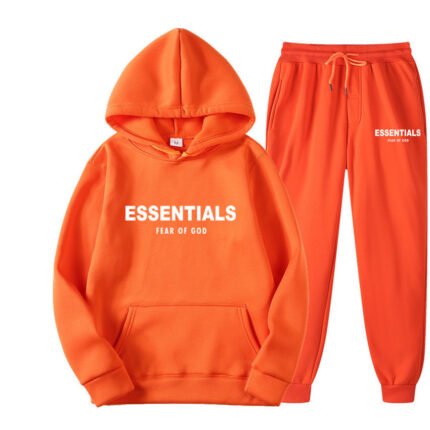
Choosing the right hoodie is about more than colour, style, or fit. The fabric plays a major role in how comfortable a hoodie feels, how well it holds its shape, and how long it lasts. A good-quality hoodie should feel soft against the skin, provide suitable warmth, and maintain its appearance after regular wear and washing.
An Essentials Hoodie is a popular choice for people who appreciate minimalist fashion and everyday comfort. However, understanding fabric types and construction details can help you make a more informed purchase. This guide explores hoodie fabrics, quality indicators, comfort, and durability so you know what to look for before buying.
1. Understanding Common Hoodie Fabrics
Hoodies are made from different materials, each offering its own advantages. Understanding these fabrics makes it easier to choose an option that suits your lifestyle and climate.
Cotton
Cotton is widely used in everyday clothing because of its soft feel and breathability. Cotton hoodies can be comfortable for casual wear and are often suitable for layering.
Some advantages of cotton include:
- A naturally soft and comfortable feel.
- Good breathability for everyday use.
- A familiar texture that works well for casual outfits.
- Easy styling with jeans, joggers, and other wardrobe basics.
One thing to consider is that cotton may shrink if washed or dried at high temperatures. Following the garment’s care label can help preserve its original fit.
Polyester
Polyester is a synthetic fabric commonly used in casual and sportswear. It is generally lightweight, dries relatively quickly, and can help garments retain their shape.
Its common benefits include:
- Good resistance to wrinkles.
- Relatively quick drying.
- Practical performance for regular use.
- Useful blending properties when combined with cotton.
Polyester may feel less breathable than some natural fabrics, depending on the fabric construction and blend.
Cotton-Polyester Blends
Cotton-polyester blends combine characteristics of both materials. Cotton can contribute softness, while polyester can improve shape retention and reduce drying time.
The exact feel and performance depend on the blend ratio and fabric construction. Always check the product description rather than assuming every blended hoodie will feel the same.
2. Why Fabric Weight Matters
Fabric weight can influence how warm, structured, and substantial a hoodie feels. It is often measured in grams per square metre (GSM).
Generally, hoodie fabrics fall into three broad categories:
- Lightweight: Suitable for mild weather, indoor use, and layering.
- Midweight: A versatile option for everyday outfits and changing temperatures.
- Heavyweight: Often provides a thicker feel and more structure, making it useful for colder conditions.
Heavier fabric does not automatically mean better quality. Stitching, fibre quality, fabric density, and finishing also affect how well a hoodie performs.
If you want a versatile everyday option, explore an Essentials Hoodie and compare its fabric details, weight, and construction before choosing.
3. What Makes a Hoodie Comfortable?
Comfort depends on several factors working together. Even a soft fabric may feel uncomfortable if the hoodie has a poor fit or irritating seams.
Consider these details when evaluating a hoodie:
Softness
The fabric should feel pleasant against your skin. Brushed or fleece-style interiors can provide a softer feel, although the exact texture varies between products.
Breathability
Breathable fabric helps make a hoodie more comfortable during everyday activities. Cotton and some cotton-rich blends are popular choices for this reason.
Stretch and Flexibility
A little flexibility can make a hoodie easier to move around in. The amount of stretch depends on the material composition and construction.
Fit and Construction
A comfortable hoodie should allow natural movement without feeling excessively tight around the shoulders, arms, or waist. Check the sizing information before ordering.
4. How to Identify High-Quality Hoodie Fabric
Not all hoodies are made to the same standard. Looking closely at the fabric and construction can help you recognise a better-made garment.
Here are some useful quality indicators:
- Consistent texture: The material should have an even appearance without obvious thin patches.
- Strong stitching: Seams should look neat and secure.
- Well-finished edges: Cuffs, hems, and pockets should be properly finished.
- Reliable shape: The garment should be designed to retain its fit with appropriate care.
- Clear fabric information: A trustworthy product description should explain the material composition and care instructions.
When comparing the Best Essentials Hoodie In UK options, pay attention to these details rather than choosing based only on appearance or price.
5. Fabric and Durability: What Should You Look For?
Durability is one of the most important factors when buying a hoodie. A well-constructed garment should withstand regular use while maintaining a comfortable feel and presentable appearance.
Several things influence how long a hoodie lasts.
Fabric Strength
The quality of the fibres and the way they are knitted or woven affect fabric strength. A consistent, well-constructed fabric is generally preferable to one that feels unusually thin or uneven.
Stitching Quality
Weak seams can become a problem with repeated wear. Inspect shoulder seams, sleeve attachments, pocket edges, and the bottom hem.
Colour Retention
Some fabrics and dyes are more prone to fading than others. Washing inside out with suitable detergent and avoiding excessive heat can help preserve colour.
Resistance to Pilling
Pilling occurs when small fibre balls develop on the surface of fabric. It can depend on fibre type, fabric construction, friction, and washing habits. Gentle washing can help reduce unnecessary wear.
6. How to Care for Your Essentials Hoodie
Even a well-made hoodie needs proper care. Incorrect washing and drying can affect its softness, colour, and fit.
Follow these practical tips:
- Read the care label: Always follow the manufacturer’s washing instructions.
- Wash with similar colours: This helps reduce the risk of colour transfer.
- Turn it inside out: This can help protect the outer surface during washing.
- Use a gentle cycle: A suitable gentle setting may reduce unnecessary friction.
- Avoid excessive heat: High temperatures can affect some fabrics and may cause shrinkage.
- Air dry when appropriate: Follow the care label and avoid unnecessary high-heat tumble drying.
- Store it properly: Fold your hoodie neatly or hang it in a way that maintains its shape.
These simple habits can help keep your hoodie looking better for longer.
7. Choosing the Right Fabric for Your Lifestyle
The best fabric depends on how and when you plan to wear your hoodie.
- For everyday comfort: Consider cotton or a cotton-rich blend.
- For easy-care clothing: Polyester blends may be a practical choice.
- For colder weather: Look for a thicker fabric or a fleece-style interior.
- For layering: Lightweight or midweight options can work well under jackets and coats.
- For regular use: Prioritise strong stitching, reliable fabric construction, and clear care instructions.
A well-chosen Essentials Hoodie can complement a range of casual outfits. Think about your usual activities and local weather before deciding which fabric weight and fit will work best.
8. Why Fabric Quality Matters in Minimalist Fashion
Minimalist fashion focuses on simple designs, versatile colours, and clothing that can be worn in different ways. Because these outfits often rely on a small number of wardrobe essentials, fabric quality becomes particularly important.
A comfortable hoodie in a neutral shade can work with jeans, joggers, trousers, or layered outerwear. Clean construction and a suitable fit can also make a simple outfit look more polished.
For people building a versatile casual wardrobe, Essentials Clothing offers a style direction centred on understated everyday fashion. When choosing any item, remember to check its individual product details, fabric composition, and sizing information.
Conclusion
The right hoodie fabric can make a noticeable difference to comfort, appearance, and durability. Cotton offers a familiar soft feel, polyester provides practical easy-care qualities, and blended fabrics combine characteristics of both. Fabric weight, stitching, fit, and proper care are equally important when assessing overall quality.
Before buying an Essentials hoodie, consider your lifestyle, preferred level of warmth, and how often you plan to wear it. By paying attention to fabric composition and construction, you can choose a hoodie that feels comfortable, suits your personal style, and remains a useful part of your wardrobe.