Modern subsea systems require reliable electrical connections that can withstand some of the most challenging underwater environments. From offshore energy installations to underwater communication networks, every electrical component must deliver consistent performance under high pressure, moisture exposure, and changing environmental conditions.
Connectors play an essential role in maintaining these systems by providing secure electrical connections between cables, sensors, instruments, and other subsea equipment.
As underwater technology continues to advance, engineers are looking for smaller, more efficient, and dependable connection solutions. Compact connector designs are becoming increasingly important because they help reduce equipment dimensions without compromising electrical performance.
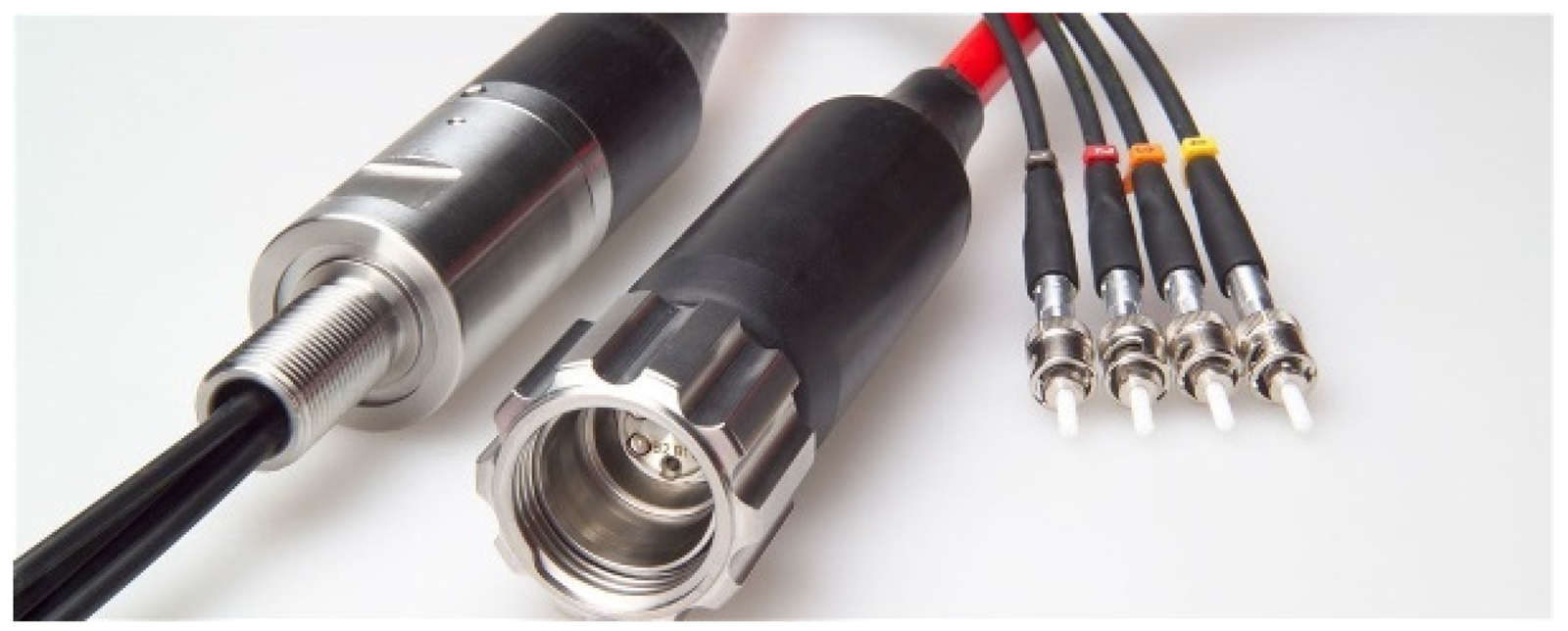
The Ultra-Compact 12-28 Core Watertight Connector is a suitable example of a connection solution designed around the demands of advanced subsea applications. Its compact configuration and multiple contact options make it relevant to systems that require dependable signal and power transmission in limited installation spaces.
Understanding the Importance of Watertight Connectors
Watertight connectors are specially designed to protect electrical connections against water penetration and environmental exposure. In subsea applications, even a small amount of moisture entering an electrical connection can cause serious problems, including corrosion, signal interruption, short circuits, and equipment failure.
Unlike ordinary electrical connectors, underwater connectors must be engineered to operate in demanding conditions. Their construction may include specialized sealing arrangements, corrosion-resistant materials, and carefully designed contact structures.
These features help maintain electrical continuity while protecting sensitive components from surrounding water. Depending on their specifications, connectors can also be designed to handle mechanical stress, vibration, temperature variations, and pressure associated with underwater installations.
For offshore operators, reliable connections are essential because equipment maintenance and replacement can be expensive and time-consuming. Selecting an appropriate connector helps reduce operational risks and supports long-term system reliability.
Why Compact Connector Designs Matter in Subsea Systems
Space is often limited in underwater equipment, particularly in remotely operated vehicles, subsea control modules, monitoring instruments, and compact sensor assemblies. Traditional connector designs may require more installation space, making equipment integration challenging.
Compact connectors address this issue by offering smaller connection configurations that can fit into restricted spaces. Their reduced dimensions can help engineers develop more streamlined equipment layouts while maintaining practical electrical connectivity.
An important advantage of compact designs is their potential to simplify cable management. When multiple electrical connections are installed within a limited enclosure, organized connector arrangements can reduce unnecessary cable routing and improve accessibility.
Smaller components may also contribute to more efficient equipment packaging. This is particularly useful in applications where weight, dimensions, and available installation space influence overall system design.
However, compactness should never replace proper engineering evaluation. Electrical ratings, sealing performance, mechanical strength, and compatibility must all be considered before selecting a connector.
Multiple Core Configurations for Flexible Connectivity
Different subsea applications require different numbers of electrical contacts. Some equipment uses a limited number of connections for basic power and signal transmission, while advanced systems may require several independent electrical pathways.
A 12-to-28-core configuration provides flexibility for applications that need multiple connections within a compact assembly. The appropriate contact arrangement depends on the equipment’s electrical architecture and the number of circuits required.
Multiple-core connectors can support various functions, including:
- Electrical power distribution between connected equipment.
- Signal transmission for underwater sensors and instruments.
- Communication pathways between subsea components.
- Connections for monitoring and control equipment.
- Integration of multiple electrical circuits within one assembly.
By bringing several connections together, multi-core designs can help simplify equipment integration. They may also reduce the need for numerous individual connectors, depending on the system layout.
Engineers should verify the connector’s pin arrangement, current capacity, voltage rating, insulation characteristics, and circuit separation requirements to ensure that the selected configuration meets operational needs.
Performance in Harsh Underwater Environments
Subsea equipment operates in environments where environmental protection is a major engineering priority. Water pressure increases with depth, while saltwater can accelerate corrosion and damage inadequately protected materials.
A dependable watertight connector must therefore provide suitable protection for its intended operating conditions. Sealing components are particularly important because they help prevent water from reaching electrical contacts and internal connection areas.
Material selection also influences connector performance. Corrosion-resistant metals, suitable insulating materials, and durable sealing compounds can contribute to long-term reliability.
Mechanical durability is another important consideration. Underwater equipment may experience vibration, cable movement, installation stress, and external forces during operation. A properly engineered connector should be compatible with these mechanical requirements.
The actual pressure rating, immersion capability, operating temperature, and service life should always be confirmed through manufacturer specifications and relevant testing documentation.
Applications Across Advanced Subsea Industries
The demand for reliable underwater electrical connections continues to grow across several industrial sectors. Compact multi-core connectors can be useful in applications where space efficiency and dependable electrical transmission are important.
1. Offshore Oil and Gas Operations
Offshore platforms and subsea production facilities rely on electrical systems to operate monitoring instruments, control equipment, and underwater machinery. Reliable connectors help maintain communication and electrical connections between different system components.
2. Underwater Robotics
Remotely operated vehicles (ROVs) and autonomous underwater vehicles (AUVs) use electrical connections for sensors, cameras, navigation equipment, and control systems. Compact connectors can help engineers integrate multiple components within restricted equipment housings.
3. Marine Research Equipment
Scientific instruments used for oceanographic research require dependable connections to collect and transmit underwater measurements. These instruments may monitor pressure, temperature, salinity, and other environmental conditions.
4. Subsea Communication Networks
Underwater communication systems depend on reliable electrical and electronic connections. Multi-core configurations can support equipment requiring several signal pathways and associated electrical circuits.
5. Renewable Offshore Energy
Offshore wind farms and other marine renewable energy installations use underwater monitoring and control equipment. Suitable watertight connectors can contribute to the electrical integration of these systems.
About Hysfsubsea
Hysfsubsea focuses on subsea connectivity solutions designed to support demanding underwater and offshore applications. The brand is associated with products developed for marine electrical systems, including watertight connectors and specialized subsea connection technologies.
By emphasizing dependable connectivity, practical engineering, and solutions for challenging operating environments, Hysfsubsea serves industries that require reliable electrical connections for underwater equipment. Its product range can help engineers and offshore professionals explore suitable connectivity options for different subsea system requirements.
Conclusion
Reliable electrical connectivity is essential for the performance and safety of advanced subsea systems. As underwater equipment becomes smaller and more technologically advanced, compact connector solutions offer practical advantages for installation, cable management, and system integration.
The Ultra-Compact 12-28 Core Watertight Connector provides a useful configuration for applications requiring multiple electrical contacts within limited installation spaces. Its suitability depends on factors such as waterproof protection, electrical ratings, material quality, and mechanical durability.