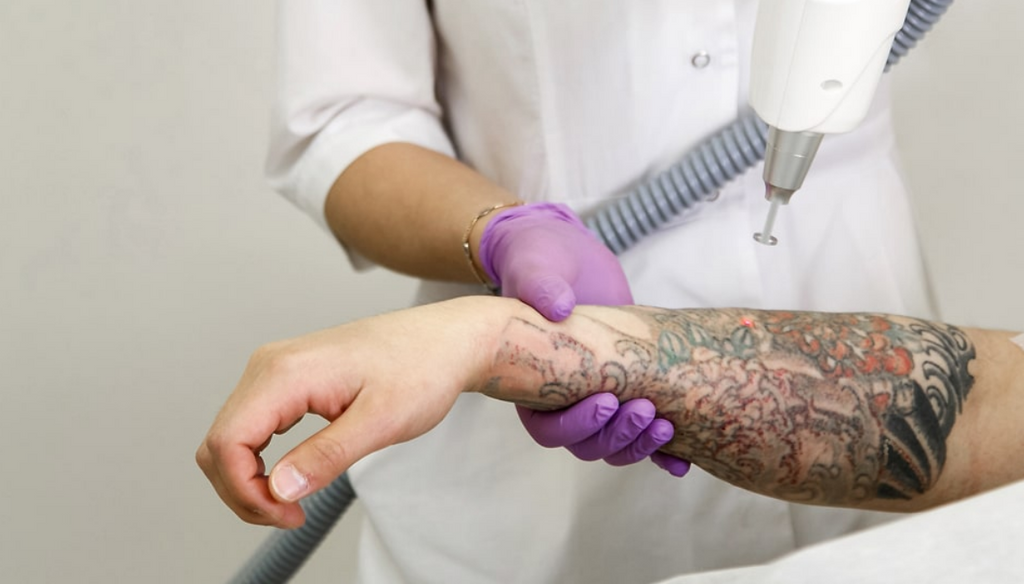
Choosing to remove an unwanted tattoo is a significant decision that involves understanding modern light-based technology and how the body clears pigment. Many people explore Picosure Tattoo Removal in Abu Dhabi when seeking an option that targets ink particles quickly while minimizing prolonged thermal exposure to surrounding skin. Unlike traditional lasers that rely heavily on heat to break down pigment, picosecond systems deliver ultra-short bursts of energy measured in trillionths of a second. This rapid delivery creates a photoacoustic or photomechanical effect that shatters ink into tiny fragments for the lymphatic system to clear naturally. Exploring the advantages of this technology helps readers make informed choices based on ink color, tattoo depth, and personal goals.
- Ultra-short pulse mechanics: Picosecond energy pulses work in trillionths of a second to generate pressure waves that fragment ink particles.
- Reduced heat buildup: Rapid energy delivery limits prolonged thermal spread into adjacent tissue compared with longer-pulse systems.
- Natural lymphatic clearance: Smaller ink fragments allow the body’s immune and lymphatic pathways to process and clear pigment more readily.
- Informative foundation: Understanding how picosecond pulses interact with ink sets clear expectations before starting a removal plan.
How Picosecond Technology Works on Tattoo Ink
Tattoo ink sits suspended within the dermis, where larger pigment clusters resist quick elimination by the body’s natural clearing cells. Picosecond laser systems address this challenge by delivering concentrated light energy in extremely brief intervals, measured in picoseconds rather than nanoseconds. When ink absorbs these ultra-short bursts, the rapid energy shift produces a mechanical shockwave that breaks dense clusters into much finer particles. Finer particles present a greater surface area and smaller size, making it easier for immune cells such as macrophages to engulf and transport them away over time.
Traditional lasers often depend more heavily on photothermal action, where heat accumulates inside the target and can radiate outward into nearby tissue. Picosecond technology shifts the balance toward photomechanical fragmentation, meaning the energy acts swiftly before substantial heat can diffuse through the surrounding skin. Because the interaction happens so rapidly, ink breakdown relies primarily on acoustic pressure waves rather than sustained thermal heating. This distinction explains why picosecond devices are widely studied for pigment clearance and skin preservation.
Once fragmented, the microscopic ink particles do not vanish instantly during the appointment itself. Instead, gradual fading unfolds over several weeks as the body’s internal cleanup processes carry away the broken-down pigment. Spacing sessions apart gives the skin recovery time and allows the immune system to complete its work between visits. Patience and consistency play a central role because biological clearance operates at a steady, natural pace rather than all at once.
- Dermal pigment targets: Tattoo ink resides in the dermis, requiring sufficient energy reach to shatter entrenched color particles.
- Photoacoustic action: Rapid energy pulses create pressure waves that break ink into finer fragments than heat alone typically achieves.
- Gradual biological fading: The body clears shattered ink over weeks between sessions rather than instantaneously during treatment.
- Interval spacing: Waiting between appointments supports tissue recovery and maximizes pigment clearance per session.
Photoacoustic vs Photothermal Energy
Photothermal energy relies on heating a target chromophore until structural changes or breakdown occur, which can carry heat into neighboring cells. Photoacoustic energy relies on rapid stress confinement and acoustic waves generated by ultra-short pulses, pulverizing pigment particles mechanically. By compressing energy into picosecond durations, the system emphasizes mechanical shattering over prolonged heat conduction. This approach helps preserve the integrity of surrounding structures while focusing energy on the intended ink target.
- Heat diffusion: Longer pulses allow more time for heat to spread outward from the target pigment.
- Mechanical fragmentation: Ultra-short pulses generate strong acoustic waves that break ink into tiny pieces.
- Target specificity: Concentrating energy on pigment helps limit collateral impact on adjacent skin.
Role of the Body’s Clearing Process
After laser pulses fracture tattoo pigment, the body’s immune system steps in to remove the smaller debris. Specialized cells gradually transport tiny ink fragments away through lymphatic channels over the weeks following each session. Because each person’s immune response and circulation vary, fading rates differ from one individual to another. Tattoos on areas with stronger circulation often show steady progression compared with areas where blood flow is slower.
- Lymphatic removal: Tiny shattered ink particles move through natural pathways over weeks after treatment.
- Individual variation: Personal immune response and circulation influence how quickly ink fades.
- Location differences: Body placement affects local circulation and overall clearing speed.
Key Benefits of Picosecond Laser Tattoo Removal
People evaluating picosecond laser tattoo removal often look for a balance of thorough ink fragmentation, manageable session counts, and broad pigment versatility. Because ultra-short pulses break ink into smaller pieces efficiently, treatments can often achieve meaningful fading in fewer sessions than older laser methods. Many individuals also appreciate that appointments are typically brief, making it easier to fit sessions into a busy routine. When comparing options, understanding these core advantages clarifies why picosecond systems stand out in modern tattoo removal.
Another major benefit lies in how picosecond wavelengths interact with different ink colors. While black ink is traditionally the most straightforward to address across many devices, certain colors such as blues and greens have historically posed greater challenges. Picosecond technology provides effective options for stubborn pigments and previously treated tattoos that plateaued under earlier methods. That versatility matters for complex or multi-toned designs where uniform fading is desired.
Beyond color handling, picosecond laser sessions offer convenience and adaptability across different tattoo styles. Amateur stick-and-poke designs, dense professional artwork, and older faded tattoos all respond according to ink density and depth. Because energy is delivered in brief pulses, treatment sessions generally take only a short span of time depending on tattoo size. Readers can weigh these practical benefits alongside their specific tattoo characteristics to set realistic expectations.
- Fewer required sessions: Smaller fragmented particles can help clear ink in fewer visits than older laser approaches.
- Stubborn color capability: Picosecond wavelengths help target difficult blues, greens, and multi-color inks.
- Short appointment times: Individual sessions are typically quick, often lasting minutes depending on size.
- Refractory tattoo support: Useful for tattoos that showed limited fading with conventional methods.
Handling Stubborn Ink Colors
Tattoo inks vary widely in chemical composition, particle size, and how well they absorb specific wavelengths of light. Dark pigments like black often clear more readily, whereas blues, greens, and bright accents can be harder to break apart. Picosecond systems utilize targeted wavelengths and rapid acoustic pressure to disrupt resistant pigments effectively. Even with capable technology, multi-colored tattoos may still respond unevenly across shades, requiring tailored planning.
- Color-specific absorption: Different pigments respond differently depending on wavelength and ink formulation.
- Challenging hues: Blues, greens, and lighter or bright shades often require extra care and sessions.
- Evenness across designs: Multi-color tattoos may fade at varying speeds across individual colors.
Session Efficiency and Convenience
A practical advantage of picosecond laser treatment is how efficiently sessions fit into everyday schedules. Most appointments are brief, with active lasing taking only a short portion of the visit depending on tattoo dimensions. Because sessions are spaced several weeks apart, the overall journey unfolds in structured milestones rather than constant appointments. Many people find this rhythm manageable while their skin recovers and ink gradually lightens.
- Brief treatment duration: Sessions are generally short, scaling with the size of the tattoo.
- Spaced appointments: Multi-week intervals allow skin rest and natural pigment clearance.
- Structured progress: Incremental fading lets individuals track changes session by session.
Factors That Influence Tattoo Removal Outcomes
No single session count or timeline applies to every tattoo because each piece of artwork has a unique history. Ink density, layering from cover-ups, and how deeply pigment sits in the skin all influence how many sessions are needed. Older tattoos sometimes show different fading patterns than brand-new tattoos with tightly packed pigment. Understanding these variables helps readers see why customized treatment plans are standard.
Anatomical location is another key factor shaping how quickly pigment clears after laser sessions. Areas closer to the heart or with richer blood flow often clear fragmented ink faster than extremities with lower circulation. Tattoo size and whether the design is a light outline or heavy shading also change how much total ink must be broken down. Recognizing these differences prevents unrealistic assumptions based on someone else’s experience.
Skin characteristics and prior treatments further shape how a tattoo responds over time. Tattoos that have already undergone previous removal attempts may have altered pigment distribution or residual ink that behaves differently. Consistent sun protection and following post-session care instructions support healthy skin recovery between appointments. Together, these elements determine the pace and completeness of fading.
- Ink depth and density: Layered cover-ups and heavy shading hold more pigment to fragment.
- Body location: Circulation levels across different body regions affect clearance speed.
- Tattoo age and history: Older designs and previously treated ink can respond distinctly.
- Between-session care: Following aftercare guidance supports steady skin recovery and fading.
Tattoo Age, Size, and Ink Density
Fresh tattoos often contain dense, concentrated deposits of ink that require thorough fragmentation across multiple visits. Older tattoos may have already experienced some natural fading or dispersion over the years. Larger tattoos naturally involve treating a wider surface area and a greater volume of pigment than small symbols. Dense shading and layered ink take longer to break down than fine-line work.
- Pigment concentration: Heavy shading and layered ink require more energy delivery to fragment.
- Surface area: Larger tattoos cover more skin than compact designs.
- Prior aging: Time and natural wear can influence how older ink behaves.
Body Placement and Circulation
Where a tattoo sits on the body affects how efficiently immune cells clear shattered ink particles. Regions with robust circulation generally move fragmented pigment out more briskly than areas with slower blood flow. For instance, torso or upper-arm placements often behave differently from lower legs, ankles, or hands. Factoring placement into expectations helps explain why two similar tattoos can fade at different speeds.
- Blood flow differences: Stronger local circulation supports faster transport of ink fragments.
- Extremity vs core: Limbs and extremities can clear pigment more slowly than central areas.
- Tailored pacing: Placement helps shape realistic expectations for session spacing and progress.
Preparing for and Supporting Your Removal Journey
Approaching picosecond laser tattoo removal with clear expectations makes the multi-session process much smoother. Because pigment fades gradually between visits, progress is best evaluated over weeks and months rather than day by day. Keeping track of changes with consistent photos can highlight subtle lightening that is easy to miss in daily mirrors. Staying informed about how laser pulses and natural healing interact keeps the focus on steady, realistic improvement.
After each session, gentle skin care and sun protection help maintain comfortable recovery while the body processes ink. Following straightforward post-treatment routines protects treated skin and supports consistent scheduling for upcoming sessions. Giving the body adequate time between appointments allows inflammation to settle and lymphatic clearance to continue. A steady, unhurried approach aligns well with how biological pigment removal works.
- Gradual progress tracking: Photos over time help spot incremental fading between sessions.
- Consistent aftercare: Gentle care and sun avoidance support healthy skin between visits.
- Steady scheduling: Multi-week gaps let the body clear pigment before the next session.
Tracking Gradual Fading Over Time
Tattoo removal is a cumulative process where each session chips away at remaining ink particles. Immediately after a session, temporary skin changes can mask how much ink was fragmented beneath the surface. Over the following weeks, lighter patches or softer edges gradually emerge as pigment clears. Comparing photos taken under similar lighting before each session offers a clear view of progress.
- Cumulative sessions: Results build across multiple spaced appointments rather than one visit.
- Delayed clarity: True pigment lightening becomes clearer weeks after energy delivery.
- Visual comparison: Consistent progress photos reveal subtle changes over time.
Everyday Habits That Support Recovery
Simple daily habits between sessions help keep treated skin calm and ready for subsequent appointments. Protecting the area from direct sun exposure between visits is widely emphasized during laser removal journeys. Following gentle cleansing and moisturizing routines recommended for the treated area supports comfortable healing. Avoiding rushing sessions before the recommended interval allows the skin and immune system to complete their work.
- Sun protection: Shielding the treated area from sun between sessions supports skin health.
- Gentle skin habits: Mild care keeps the area comfortable as it recovers.
- Respecting intervals: Waiting the recommended weeks supports optimal pigment clearance.
Frequently Asked Questions About Picosecond Tattoo Removal
How does picosecond laser tattoo removal differ from older laser methods?
Picosecond lasers deliver energy in ultra-short pulses measured in picoseconds, creating a strong photoacoustic effect that shatters ink into smaller fragments with less prolonged heat spread than longer-pulse lasers.
- Pulse speed: Ultra-short bursts act in picoseconds rather than longer durations.
- Fragmentation style: Emphasis on acoustic pressure waves breaks ink into fine particles.
- Heat spread: Shorter pulses limit prolonged heat diffusion into surrounding skin.
Can picosecond laser technology remove all tattoo ink colors equally well?
No single laser removes every ink color at the exact same speed, although picosecond systems handle stubborn shades like blue and green effectively alongside dark inks. Lighter or bright hues can still require careful planning and additional sessions depending on pigment makeup.
- Ink chemistry: Pigments absorb light differently depending on color and formula.
- Stubborn shades: Blues, greens, and bright tones vary in how quickly they clear.
- Varied pacing: Multi-color tattoos often fade at different rates across shades.
Why do tattoo removal sessions need to be spaced several weeks apart?
Spacing appointments several weeks apart gives the skin time to recover and allows the immune system to gradually clear fragmented ink particles. Scheduling sessions too close together can interrupt natural clearing and skin recovery between visits.
- Skin recovery: Time between sessions lets treated skin settle.
- Clearance window: Immune cells need weeks to transport shattered pigment away.
- Session effectiveness: Proper intervals help each visit contribute meaningfully to fading.
How soon after a picosecond session does a tattoo start to fade?
Visible fading typically develops gradually over several weeks as the body processes broken-down ink rather than appearing all at once immediately after treatment. Tracking changes across multiple weeks and sessions provides a more accurate picture than judging day-to-day shifts.
- Gradual timeline: Lightening unfolds progressively over weeks after each session.
- Internal cleanup: Natural clearing takes time beyond the day of the appointment.
- Cumulative view: Overall progress is best judged across spaced sessions.