A proper tailor checks seven practical details before touching a stitch, from fabric weight down to how the garment sits on your specific body, which is exactly what separates a great finish from a job that gets redone twice. I usually find most people never think about these things until it’s too late. The article below runs through each check in the order a seasoned tailor works, so you’ll know what to ask when you drop something off. And watch out for our humidity & summer heat! They change everything. Assess the fabric weight.
What a Proper Alteration Check Involves
Altering a garment? It’s not just about the seams. A good tailor will eyeball the whole thing, how it hangs, where it pulls, before ever picking up a needle. Ever wonder why the shoulders still feel tight? That’s what they catch. The seven points below are the ones I always see pros check, & you’d be wise to review them before you hand it over. Check each one carefully!
1. Checking the Fabric Type and Grain
Different fabrics fight back in different ways. A heavy wool suit jacket stays put, but a light linen shirt won’t hold its shape. So, a tailor who ignores that will often watch seams pucker or hems droop in Keperra’s sticky heat. In my experience, cotton & linen rule here, and they demand gentler handling than synthetics, so alterations always start with reading the cloth.
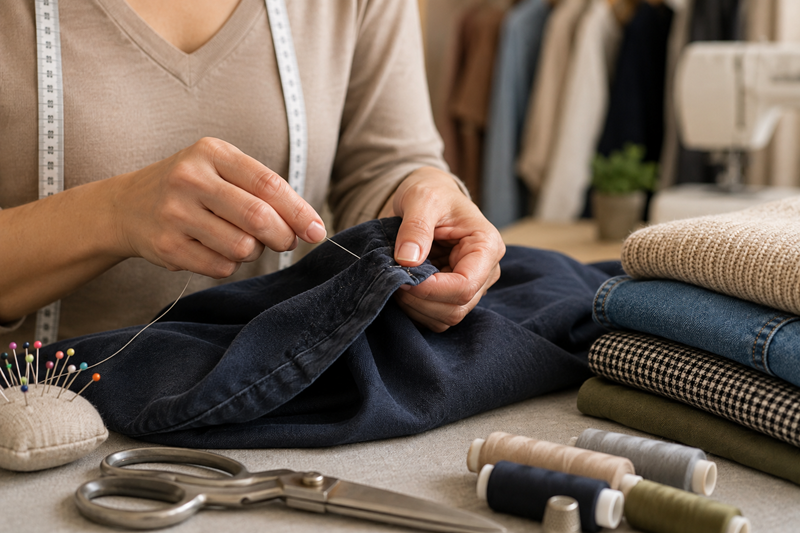
Check the label yourself, then feel how the fabric drapes. Run your hand along the cloth & see if it springs back or stays creased, because that tells you how much give it has. A pro will often check the grain line too, the direction the threads run, to make sure the garment hangs straight after the work is done, & understanding it early makes the rest of picking alterations far less stressful.
2. Measuring the Seam Allowances
Seam allowance? That’s the fabric hidden inside a stitched edge, & it’s what makes alterations work. Got only a centimetre of cloth in the seam? Then there’s hardly any room to let a dress or pair of trousers out later. Most well‑made garments carry between 1.5 & 2.5 centimetres, so a tailor actually has some real flexibility.
Before any work starts, a pro will quickly unpick a small section of the seam to see exactly how much allowance is there. This is especially important if you’ve bought something second‑hand or had it altered before, because previous work can often eat into that margin. You can easily ask your tailor to show you this, & if the allowance is tight, they’ll tell you straight up what your options are.
3. Looking at the Garment’s Construction
How a garment is put together determines how easily it can be altered. A fully lined jacket with a structured shoulder is a different job than a simple unlined skirt, & the construction method affects what’s possible. In Brisbane’s warm climate, many people favour lighter, unlined pieces, but those come with their own limitations.
Check whether the garment has a lining, interfacing, or padding, as these all need to be worked around. A professional will usually look at whether the seams are flat‑felled, French, or overlocked, because each type responds differently to being taken apart & resewn. If the construction is complex, expect a skilled hand to be needed, & don’t be surprised if the job takes a little longer.
4. Assessing the Fit on the Actual Body
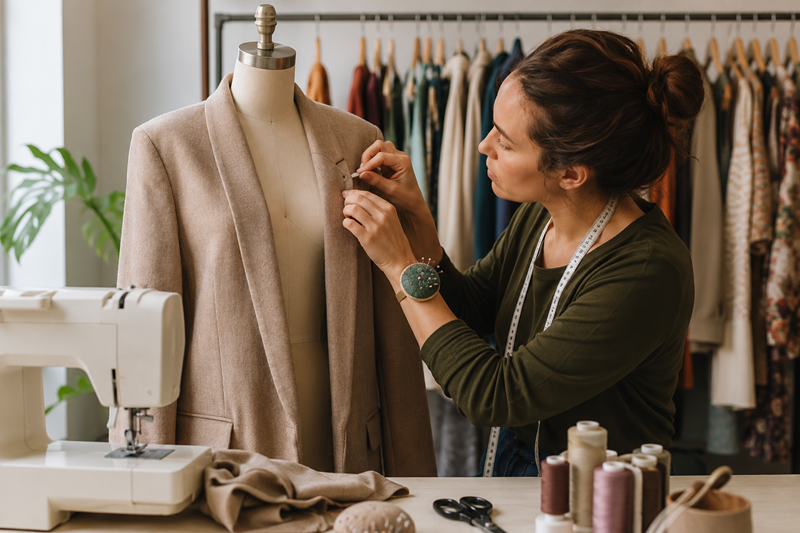
Alterations are useless if the garment doesn’t fit the person who’s going to wear it. A pro will always have you try the item on first, pinning it in place to see where the adjustments need to happen. This isn’t about making you feel awkward; it’s the only way to get a result that looks like it was made for you.
Watch how the tailor checks the shoulders, the waist, & the length, as these are the key spots that need attention. They’ll also ask you to move around a bit, sitting & reaching, to make sure the altered garment will actually work in real life, which is the reason people who research alterations carefully usually end up happier with the outcome. A good fit means you can often move freely without the fabric pulling or gaping, & that’s the standard you should really expect.
5. Checking the Hem and Length Balance
The hem is one of the most visible parts of any alteration, so getting it right matters a lot. A professional will usually measure the length from the floor or from a fixed point on the body, rather than just guessing by eye. They’ll also check that the hem is level all the way around, because uneven floors & posture can really throw things off.
In Keperra, where the terrain is hilly & people walk a lot, a hem that’s too long or short can be a real nuisance. Ask your tailor to show you the chalk marks before they cut, & check that the length works with the shoes you plan to wear. A proper hem should always hang cleanly, whether it’s a pair of trousers, a dress, or a skirt.
6. Looking for Existing Damage or Wear
Before any alteration, a pro will often inspect the garment for existing damage like thinning fabric, pulled threads, or stains. If there’s a weak spot in the material, taking a seam in can often put extra stress on it & cause a tear later. It’s far better to catch this before the work starts, not after!
You can do a quick check yourself by holding the garment up to the light and looking for any thin or shiny areas. A professional will also test the strength of the fabric by gently pulling it, especially around stress points like the knees, elbows, & seat, which helps gauge whether alterations will quickly hold up under strain. If they flag a problem, they’ll usually suggest a repair first, before any work begins. If the fabric is too worn, even a simple hem can easily pull or tear once it’s under strain. So it’s worth hearing them out before you commit to a job!
7. Confirming the Final Measurements and Expectations
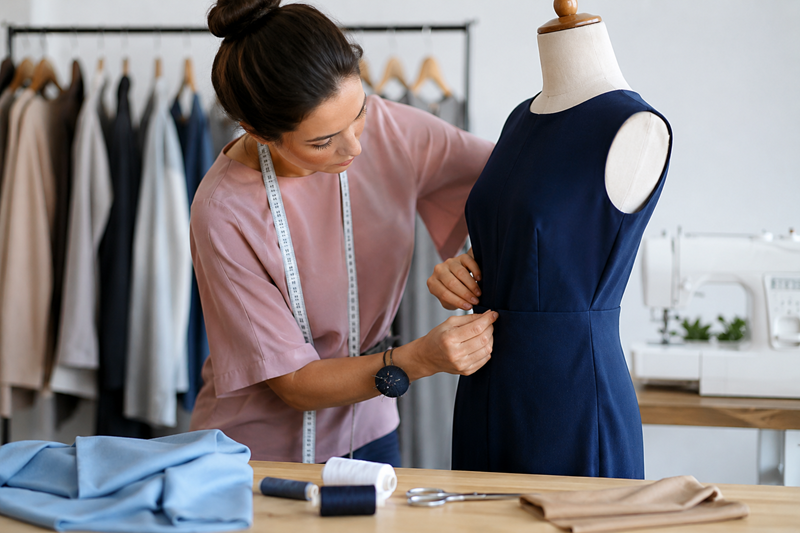
Clear communication about what you want is the last piece of the puzzle. A pro will quickly confirm every measurement out loud, check that you’re both on the same page, and note any specific requests you have, & that’s one of the details that becomes much easier to judge once you look at alterations in practice. These steers clear of those frustrating moments where you pick something up & it’s not what you imagined.
Ask questions if anything’s unclear, & don’t be afraid to bring in photos of the fit you’re after. A good tailor will be honest about what’s achievable & what isn’t, given the garment’s construction & fabric. When you leave the shop, you should really know exactly what’s being done, how long it will quickly take, & what the finished result will quickly look like.
What To Check For 7. Confirming the Final Measurements
One pro tip: wear the shoes you’ll pair with the garment when you get measured. Heels change your posture & your leg length, & that shifts where a hem should always sit. The same goes for the jacket you’ll wear underneath a suit jacket! Small details like that make the difference between a good fit and a great one. And if you’re planning any weight changes in the next few months, say so up front, because a tailor can often account for that in the alterations, but only if they know.
Conclusion and Your Next Move
Those seven checks are the backbone of any quality alteration, & knowing them puts you in a much stronger position. Whether you’re getting a suit taken in for a wedding or having a favourite pair of trousers hemmed, you now know what to look for and what to ask. The fabric, the seam allowance, the construction, the fit, the hem, the condition, and the communication are all pieces of the same puzzle.
Find a professional who works through these properly, & you’ll walk out with clothes that actually fit and last. That’s the standard you deserve, and it’s one worth holding out for! A little patience at the fitting stage beats disappointment at pickup, every time. And if a shop rushes through these checks, treat that as a red flag.