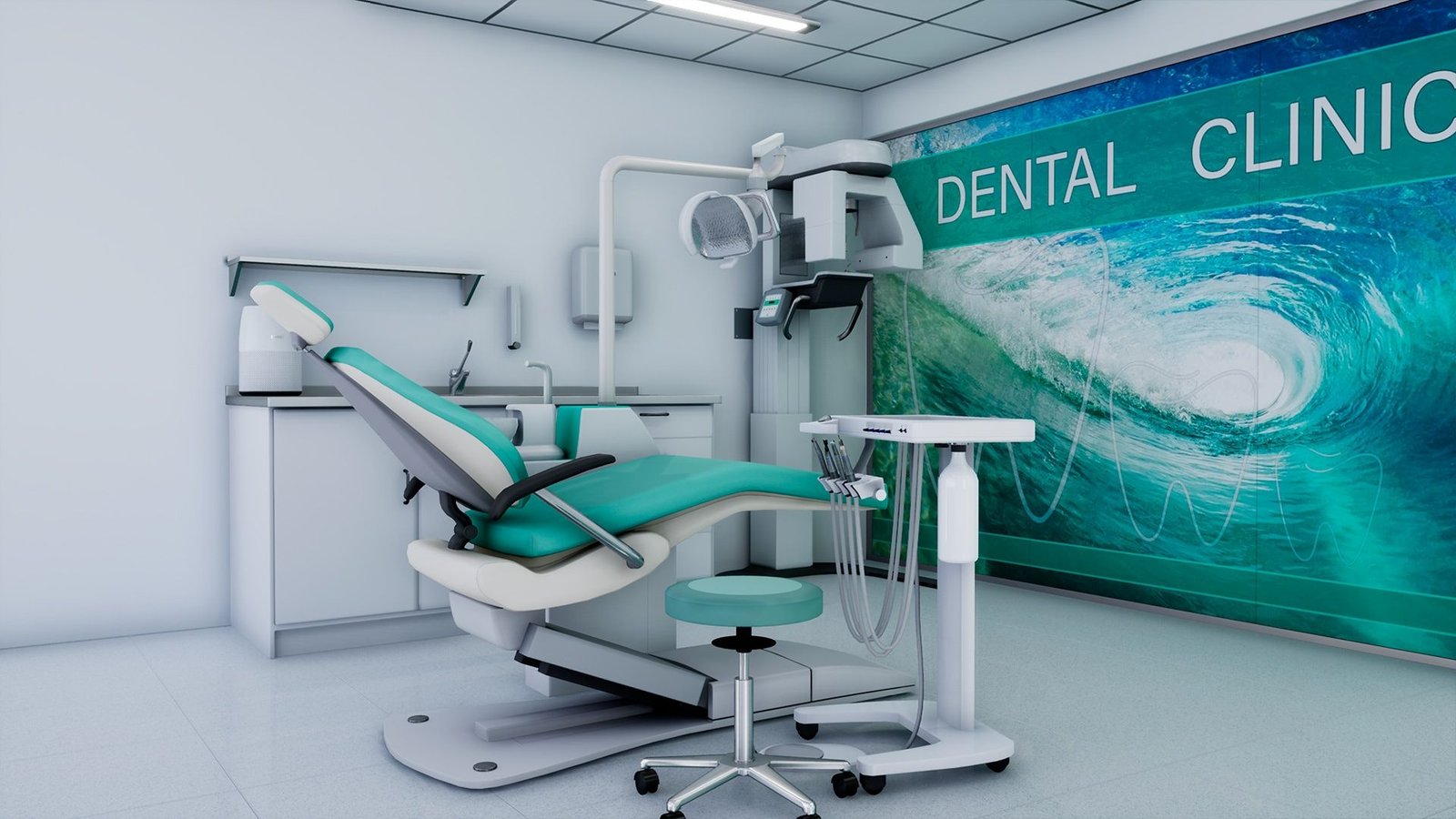
Maintaining good oral hygiene involves more than brushing and flossing at home. Professional Dental Cleanings in Edmonton play an important role in preventing dental problems, maintaining healthy gums, and keeping teeth looking their best. Even people who follow a consistent oral care routine can develop plaque and tartar in areas that are difficult to reach with a toothbrush. Regular dental cleanings help address these concerns and support long-term oral health.
Why Are Professional Dental Cleanings Important?
Plaque is a sticky film of bacteria that naturally forms on teeth throughout the day. When it is not removed effectively, it can harden into tartar, which cannot be eliminated through regular brushing and flossing alone.
Professional cleanings help remove this buildup from tooth surfaces and along the gumline. This reduces the risk of gum inflammation, cavities, and other oral health concerns. Routine dental visits also allow dental professionals to identify potential problems before they become more complicated.
Keeping up with professional cleaning appointments is therefore an important part of maintaining a healthy smile.
What Happens During a Dental Cleaning?
A routine dental cleaning generally involves several steps designed to improve oral hygiene and assess the condition of the teeth and gums.
1. Examination of the Mouth
The appointment may begin with an examination of the teeth, gums, and surrounding oral tissues. This helps identify visible plaque buildup, signs of inflammation, and other concerns that may require attention.
2. Removal of Plaque and Tartar
Dental professionals use specialized instruments to remove hardened tartar and plaque from areas that are difficult to clean at home. Particular attention is given to the gumline and spaces between teeth.
3. Professional Teeth Polishing
After scaling, teeth may be polished to remove surface stains and smooth the tooth surfaces. This can leave the mouth feeling cleaner and fresher.
4. Flossing and Final Assessment
The cleaning process may include professional flossing to remove remaining debris between teeth. The dental team can also provide recommendations based on the patient’s oral health needs.
The exact steps may vary depending on individual circumstances and the condition of the teeth and gums.
How Often Should You Get Your Teeth Cleaned?
Many people benefit from professional dental cleanings approximately every six months. However, this schedule is not suitable for everyone.
Individuals with a history of gum disease, frequent plaque buildup, certain medical considerations, or other oral health concerns may need more frequent appointments. Others may require a different schedule based on their dental examination.
A dental professional can recommend an appropriate cleaning frequency after evaluating the patient’s oral health. Following this guidance helps maintain healthier teeth and gums over time.
Signs You May Need a Professional Cleaning
Even when there is no noticeable discomfort, plaque and tartar can continue accumulating. Some common signs that it may be time for a cleaning include:
- Persistent bad breath despite regular brushing.
- Yellow or brown buildup around the teeth.
- Gums that appear red, swollen, or irritated.
- Bleeding while brushing or flossing.
- Teeth that feel rough or coated.
- Visible staining caused by food, beverages, or tobacco.
These symptoms do not always indicate that a routine cleaning is the only treatment needed. For example, bleeding gums can be a sign of gum disease and should be evaluated by a dental professional.
Benefits of Maintaining Regular Dental Cleanings
Consistent professional cleaning appointments offer several benefits for oral health.
Helps Prevent Gum Disease: Removing plaque and tartar can reduce bacterial buildup that contributes to gum inflammation and periodontal problems.
Supports Cavity Prevention: Professional cleanings remove deposits that can contribute to tooth decay, while routine examinations help identify early signs of cavities.
Improves Oral Freshness: Removing accumulated bacteria and debris can help reduce some common causes of unpleasant breath.
Helps Manage Surface Stains: Polishing can remove certain external stains, helping teeth look cleaner and brighter.
Encourages Early Detection: Regular dental visits provide opportunities to identify developing concerns and discuss appropriate next steps before they progress.
These benefits make professional cleanings an important part of a preventive dental care routine.
How to Maintain Clean Teeth Between Appointments
Professional cleanings work best when supported by good daily habits. A consistent home care routine helps control plaque buildup and maintain the results of each appointment.
- Brush twice daily using fluoride toothpaste.
- Floss every day to clean between teeth.
- Replace your toothbrush or brush head regularly.
- Limit frequent consumption of sugary foods and drinks.
- Drink water throughout the day.
- Avoid tobacco products, which can contribute to staining and gum problems.
- Attend dental appointments according to professional recommendations.
Small daily habits can make a meaningful difference in maintaining oral health between professional visits.
Choosing a Dental Clinic for Routine Cleanings
When considering Dental Cleanings in Edmonton, patients should look for a dental clinic that emphasizes preventive care, clear communication, and personalized recommendations. A comfortable environment and an opportunity to discuss oral health concerns can also make routine appointments easier to maintain.
Smile Zone Dental is a dental clinic patients can consider when exploring local dental care options. Individuals interested in professional cleaning appointments can contact the clinic to learn about available services, appointment arrangements, and recommendations for their specific oral health needs.
Understanding what to expect before an appointment can help patients feel more comfortable and take an active role in maintaining their smiles.
Conclusion
Professional dental cleanings are an essential part of preventive oral healthcare. They help remove plaque and tartar, support healthy gums, manage surface stains, and create opportunities to identify potential dental concerns early. Combined with consistent brushing, flossing, and regular dental examinations, they can contribute to better long-term oral health.
By making routine appointments a priority and following professional advice, individuals can protect their teeth and enjoy a cleaner, healthier smile.