
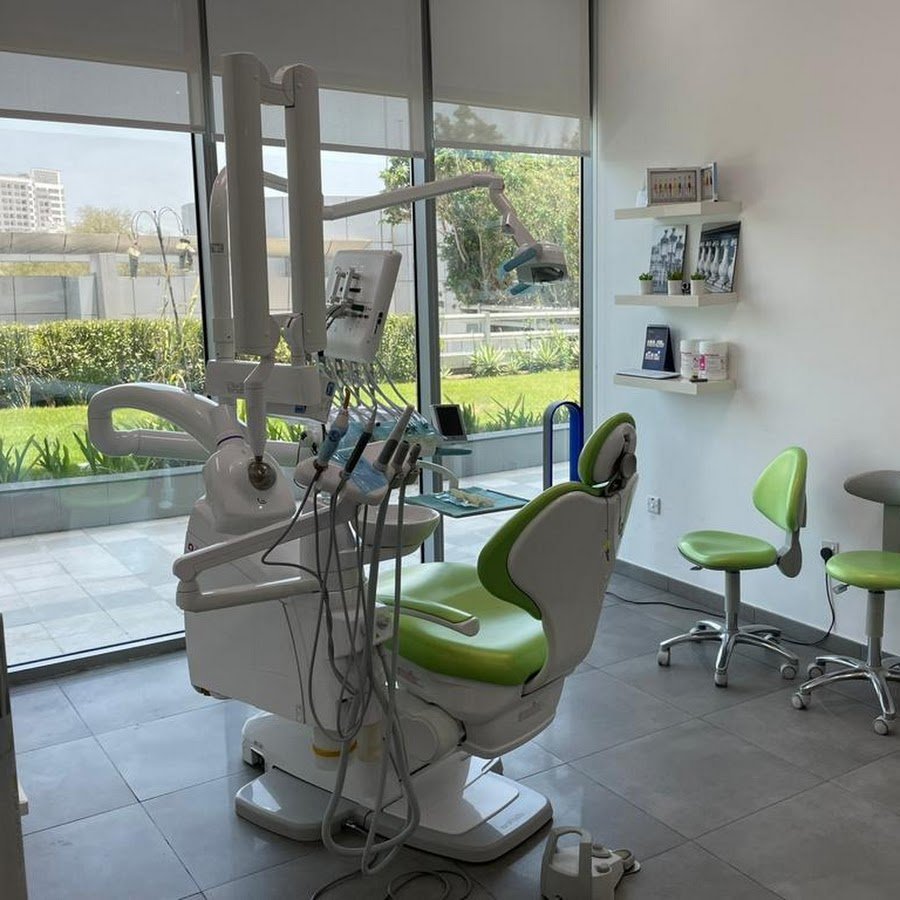
A confident smile can make a positive difference in everyday interactions, and cosmetic dentistry offers several ways to improve the appearance of teeth. Porcelain Veneers in Edmonton are a popular cosmetic dental option for individuals looking to address concerns such as discolouration, chipped teeth, uneven edges, or small gaps. These thin, custom-made coverings are designed to improve the visible surfaces of teeth while maintaining a natural-looking appearance. Understanding how veneers work, their benefits, and the treatment process can help patients decide whether this option suits their dental needs.
What Are Porcelain Veneers?
Porcelain veneers are thin shells made from dental ceramic that are bonded to the front surfaces of selected teeth. They are individually designed to complement the shape, size, and colour of a patient’s natural teeth.
Veneers are primarily used for cosmetic improvements. They can help create a more uniform smile by addressing certain visible imperfections without requiring full-coverage crowns in suitable cases.
Before recommending veneers, a dentist evaluates the patient’s teeth, gums, bite, and overall oral health to determine whether the treatment is appropriate.
Common Dental Concerns Porcelain Veneers Can Address
Porcelain veneers may be considered for several cosmetic concerns.
1. Tooth Discolouration
Some stains do not respond as expected to traditional whitening treatments. Veneers can cover certain types of discolouration and provide a more consistent tooth shade.
2. Chipped or Worn Teeth
Small chips and worn edges can affect the appearance of a smile. Veneers may restore a smoother, more balanced appearance when the underlying tooth structure is suitable.
3. Uneven Tooth Shapes
Teeth can naturally differ in length, width, and shape. Custom-designed veneers can help create a more consistent appearance across the visible teeth.
4. Small Gaps Between Teeth
In selected cases, veneers can improve the appearance of small spaces between teeth by adjusting their visible width and shape.
5. Minor Alignment Concerns
Veneers may make certain minor alignment irregularities less noticeable. However, they do not physically move teeth. Orthodontic treatment may be more appropriate when correcting the actual position of the teeth is necessary.
Benefits of Porcelain Veneers
Porcelain veneers offer several potential advantages for patients seeking cosmetic dental improvements.
Natural-looking appearance: Dental porcelain can be designed to resemble the colour and light-reflecting qualities of natural enamel.
Customized design: Each veneer is created to suit the patient’s facial features, tooth proportions, and desired smile appearance.
Stain resistance: Porcelain generally resists staining better than natural enamel, although maintaining good oral hygiene remains important.
Improved smile uniformity: Veneers can help create a more consistent appearance by addressing selected cosmetic imperfections.
Conservative alternative to some restorations: In appropriate cases, veneers may require less tooth preparation than full crowns.
The suitability and expected results depend on individual dental conditions and treatment planning.
What Is the Porcelain Veneer Procedure Like?
Getting porcelain veneers usually involves several stages, allowing the dentist to plan and customize the final result.
Initial Consultation
The process begins with a dental examination and discussion about the patient’s cosmetic goals. The dentist checks the teeth, gums, bite, and existing dental restorations to determine whether veneers are suitable.
Treatment Planning
The dentist considers the desired tooth shape, shade, and proportions. Photographs, impressions, or digital scans may be used to support the planning process.
Tooth Preparation
A small amount of enamel may need to be removed from the front surface of each selected tooth to create space for the veneer. The amount of preparation varies depending on the case.
Custom Veneer Fabrication
Dental impressions or digital scans are used to create veneers that fit the prepared teeth. Temporary restorations may be provided when needed.
Bonding the Veneers
Once the custom veneers are ready, the dentist checks their fit and appearance. They are then bonded to the teeth using dental adhesive, with adjustments made to ensure a comfortable bite.
Are Porcelain Veneers Suitable for Everyone?
Although veneers can improve many cosmetic concerns, they are not appropriate for every patient.
Individuals with untreated tooth decay, active gum disease, significant enamel damage, or certain bite problems may need other dental treatments first. People who frequently grind or clench their teeth may also require additional assessment because these habits can place excessive pressure on veneers.
A dental professional can evaluate these factors and explain whether veneers, orthodontic treatment, whitening, bonding, or another option may be more suitable.
How to Care for Porcelain Veneers
Proper maintenance helps protect veneers and the natural teeth underneath them.
- Brush twice daily using a soft-bristled toothbrush.
- Floss every day to maintain healthy gums.
- Attend regular dental examinations and professional cleanings.
- Avoid biting hard objects such as ice or pens.
- Do not use your teeth to open packages.
- Discuss a night guard with your dentist if you grind your teeth.
- Follow any personalized care instructions provided by your dental team.
Although porcelain is durable, veneers can still chip or become damaged under excessive pressure. Consistent care and routine monitoring are important for maintaining their condition.
Exploring Cosmetic Dentistry at 124 Street Dental
Choosing a dental clinic for cosmetic treatment involves considering the examination process, treatment recommendations, communication, and the approach to smile design. 124 Street Dental is a dental clinic in Edmonton that patients can consider when researching local dental care options.
Individuals interested in porcelain veneers can contact the clinic to ask about available cosmetic dental services, consultation arrangements, and treatment suitability. Discussing personal goals, expected results, preparation requirements, and costs can help patients understand what the process may involve.
A professional assessment is an important first step because every smile has different needs. The right treatment plan should consider both appearance and long-term oral health.
Conclusion
Porcelain veneers can help improve the appearance of discoloured, chipped, uneven, or slightly spaced teeth. Their customized design allows dentists to create a smile that complements a patient’s natural features while addressing selected cosmetic concerns. However, successful treatment begins with a thorough examination and an understanding of the patient’s oral health. By exploring available options, following professional advice, and maintaining good dental hygiene, patients can make informed decisions about improving their smiles.