

Olympic Cycling Track Tickets: Track cycling has been part of the Olympic Games for more than a century, but its future may not be as secure as many fans assume. Mehdi Kordi, former Head Coach of the Dutch track cycling team and former Head of Performance Support and Innovation at Ineos Grenadiers, believes the discipline may now have to prove its value to remain on the Olympic programme.
A rider’s preference for finishing 50th at the Amstel Gold Race rather than competing for a track world championship medal highlights one of the challenges facing the sport. For Kordi, that decision reflects a wider question about the value athletes place on track cycling and the need to strengthen its position within the Olympic movement.
Track Cycling Faces a New Olympic Challenge
Track cycling has featured at almost every edition of the modern Olympic Games since 1896. Its long history and established place in the programme have traditionally protected it from questions about its Olympic status. However, Kordi believes that situation is changing. The sport can no longer rely only on its Olympic history or its connection to cycling’s wider programme.
Explore Olympic Cycling Track Tickets at Tickettariffs.com and discover ticket options for the Los Angeles 2028 Olympic Games. Stay updated on upcoming track cycling events, competition details, and ticket availability as the Summer Games approach.

It must demonstrate why it deserves to remain part of future Games. The rider who preferred a 50th-place finish at Amstel Gold over pursuing a track world title provided a striking example. Despite having the ability to compete for a world championship medal, the rider considered the road race a more attractive objective.
Kordi acknowledged that he initially expected a different answer. The response made him reconsider the position of track cycling and the importance athletes attach to competing in the discipline. A major change in the Olympic evaluation process has added pressure on individual disciplines.
IOC Rules Put Individual Olympic Disciplines Under Review
According to the supplied account, the International Olympic Committee approved a new approach in June that assesses disciplines separately. Previously, cycling was treated as an established Olympic sport, with track cycling benefiting from its place within the wider cycling programme. Under the new approach, disciplines such as track cycling and BMX freestyle will face separate assessments.
The change is significant because individual disciplines are responsible for their own venues, operations and costs. Their position within the Olympic programme will therefore depend on how they perform against the IOC’s evaluation criteria.
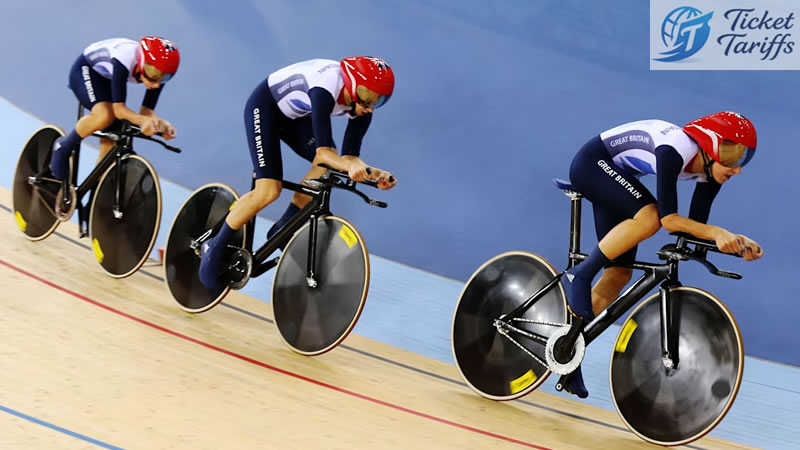
The new system is expected to apply to the 2032 Olympic Games, making that edition an important milestone for track cycling’s future. The IOC’s assessment will consider three main factors once a discipline meets the fundamental requirements. The committee will consider how widely a discipline attracts interest around the world.
Track cycling will need to demonstrate that it has a meaningful international audience and a strong position within the global sporting landscape. Cost and logistical complexity: Hosting an Olympic discipline requires venues, operations and other resources. The financial and practical demands associated with track cycling will form part of its evaluation.
ExploreOlympic LA28 Tickets for the Los Angeles 2028 Summer Games at Tickettariffs.com. Discover ticket options for track and field events, including sprinting, distance running, jumping, and throwing competitions, and stay updated on upcoming LA28 athletics events.
Olympic Track Cycling Faces Questions Over Its Future Beyond LA28
Athlete representation: The IOC will also examine how effectively athletes are represented within the discipline. This makes the interests and participation of competitors another important part of the assessment. These criteria mean that track cycling’s established Olympic history may not be enough to guarantee its future.
The discipline will need to demonstrate its value under the new evaluation framework. The discussion raises questions about how the discipline can maintain its position in the Olympic programme beyond the Los Angeles 2028 Games. Track cycling has a long Olympic record, but the new approach puts greater attention on the individual value of each discipline.

Its fame, hosting requirements and athlete representation will all matter when its future is assessed. Kordi’s comments also highlight a challenge within the sport itself: attracting and retaining athletes who see track cycling as a priority. The rider who chose a road race over a possible world championship medal illustrates why the discipline must consider its appeal to competitors as well as spectators.
The future of Olympic track cycling will depend on how it responds to these changing expectations. Its place in the Games has been familiar for generations, but the next stage may require a stronger case for its continued inclusion.
Sports fans can explore Olympic Opening and Closing Ceremony Tickets at Tickettariffs.com and discover opportunities to experience these spectacular celebrations in person. From the excitement of the opening parade to the memorable closing moments, find ticket options for both ceremonies and plan your visit to the Los Angeles 2028 Olympic Games.
Frequently Asked Questions
1. Is track cycling at risk of leaving the Olympic Games?
Mehdi Kordi has suggested that track cycling’s Olympic future should not be taken for granted. The discipline may have to demonstrate its value under the IOC’s new evaluation approach.
2. Who is Mehdi Kordi?
Mehdi Kordi is a former Head Coach of the Dutch track cycling team and former Head of Performance Support and Innovation at Ineos Grenadiers.
3. Why is the IOC reviewing individual Olympic disciplines?
The new approach assesses disciplines separately, with attention to their venues, operational requirements and costs.
4. What factors will influence track cycling’s Olympic future?
The three main factors identified are global popularity, cost and logistical complexity, and athlete representation.
5. When will the new evaluation approach affect Olympic disciplines?
According to the supplied information, the 2032 Olympic Games will be the first edition under the new discipline-level assessment approach.