Uneven skin texture is a common concern that can make the face and neck appear less smooth, refined, and youthful. Factors such as natural ageing, reduced collagen production, sun exposure, and changes in skin quality can contribute to roughness, fine lines, and an irregular skin surface. Many individuals explore regenerative aesthetic procedures to improve their skin’s overall appearance and support natural renewal. PRP Treatments in Abu Dhabi have gained attention as an option for people interested in improving skin texture through the use of platelet-rich plasma derived from their own blood. This treatment focuses on supporting the skin’s natural repair processes and encouraging collagen production, which may contribute to smoother-looking and healthier skin over time. Understanding how PRP works and what it can achieve helps individuals make informed decisions about facial and neck rejuvenation.
What Causes Uneven Skin Texture on the Face and Neck?
Uneven skin texture can develop for several reasons, including ageing, environmental exposure, changes in collagen levels, and differences in skin hydration. As the skin ages, its natural ability to produce collagen and elastin gradually decreases. These proteins help maintain firmness, elasticity, and a smooth surface. When their production slows, the skin may begin to look less even, with fine lines, rough patches, and visible irregularities.
The neck can also experience noticeable texture changes because its skin is relatively delicate and may show signs of ageing differently from the face. Repeated sun exposure and natural changes in skin elasticity can contribute to an uneven appearance. Understanding these underlying factors is important when considering treatments designed to improve overall skin quality.
How Do Face and Neck PRP Treatments Work?
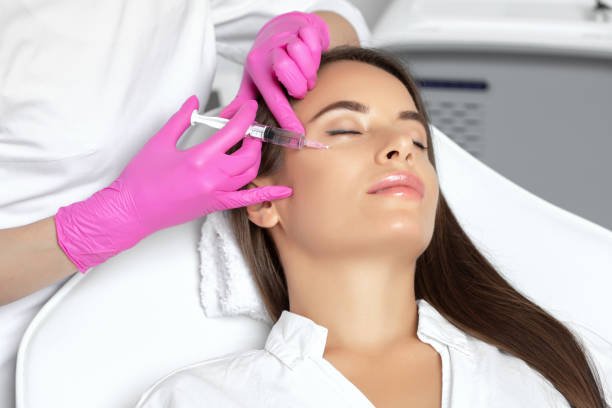
Platelet-rich plasma treatment uses a concentrated portion of a person’s own blood that contains platelets and naturally occurring growth factors. These components play a role in the body’s normal tissue repair and regeneration processes. During the treatment, a small blood sample is collected and processed using specialized equipment to separate platelet-rich plasma from other blood components.
The prepared plasma is then introduced into selected areas of the face and neck through an appropriate application technique. Once delivered, the growth factors may support cellular activity and encourage natural collagen production. This process is intended to improve the overall quality and appearance of the skin gradually.
Unlike treatments that primarily focus on adding volume or temporarily smoothing the skin, PRP aims to support the skin’s natural renewal mechanisms. Its purpose is to improve skin quality rather than completely change facial or neck features.
Can PRP Treatments Make Uneven Skin Texture Smoother?
Yes, PRP treatments may help improve certain types of uneven skin texture by supporting collagen production and natural tissue renewal. Collagen provides structural support to the skin, helping it maintain a smoother and firmer appearance. As collagen activity improves, some individuals may notice that their skin looks more refined and feels smoother.
The treatment may be particularly relevant for individuals concerned about mild textural irregularities, fine lines, and changes in overall skin quality. However, results depend on the underlying cause of the uneven texture, the condition of the skin, and individual biological responses.
PRP is not designed to remove every type of skin irregularity. More pronounced textural concerns may require a different or combined treatment approach. A proper skin assessment helps determine whether PRP is suitable for the specific concern.
How Does PRP Support Collagen Production?
Collagen is an essential structural protein that helps maintain skin strength, firmness, and elasticity. Natural collagen production gradually declines with age, contributing to visible changes in skin texture and appearance.
PRP contains concentrated platelets that release growth factors involved in tissue repair and cellular communication. When introduced into the treatment area, these growth factors may stimulate biological processes associated with collagen formation and skin regeneration.
Over time, increased collagen activity may help improve the appearance of fine lines and mild textural irregularities. This process is gradual because the body requires time to produce and organize new collagen. The improvement is generally focused on overall skin quality rather than an immediate transformation.
Can Face and Neck PRP Treatments Improve Skin Elasticity?
Skin elasticity refers to the skin’s ability to stretch and return to its original shape. When elasticity decreases, the skin may appear less firm, and fine lines or surface irregularities can become more noticeable.
PRP treatments may support skin elasticity by encouraging collagen-related regenerative activity. Since collagen contributes to the skin’s structural framework, supporting its production may help improve the appearance of firmness over time.
The face and neck may respond differently because their skin structures and characteristics are not identical. Facial skin may have different thickness and texture concerns compared with the delicate skin around the neck. Treatment planning should therefore consider the specific requirements of each area.
Although PRP may support improvements in skin quality, it should not be considered a replacement for procedures specifically designed to address significant skin laxity.
What Skin Concerns Can PRP Address on the Face and Neck?
PRP treatments are commonly considered for several skin-quality concerns, particularly those associated with ageing and reduced collagen activity. These include fine lines, mild roughness, uneven texture, and a general loss of skin freshness.
On the face, treatment may focus on improving the appearance of areas where the skin looks dull or less smooth. The forehead, cheeks, and areas around the mouth may be considered depending on individual needs.
For the neck, PRP may be used to support skin quality in areas where fine lines and mild textural changes are visible. Since neck skin is thinner and more delicate, the treatment approach needs to be adjusted accordingly.
The effectiveness of PRP depends on the nature and severity of the concern. Deep scars, significant wrinkles, and pronounced structural changes may not respond sufficiently to PRP alone.
How Many PRP Sessions May Be Needed for Better Skin Texture?
The number of PRP sessions required varies according to individual skin conditions and aesthetic goals. Some individuals may benefit from a treatment course involving multiple sessions, while others may require a different schedule depending on their skin’s response.
Each session contributes to the overall treatment approach by introducing platelet-rich plasma into the selected areas. Since collagen production and tissue renewal take time, improvements generally develop gradually rather than appearing immediately.
The interval between sessions is determined by the treatment protocol and individual requirements. Regular assessment can help evaluate changes in skin texture and determine whether additional sessions may be beneficial.
It is important to understand that treatment outcomes differ from person to person. Skin condition, age, natural collagen activity, and the severity of textural irregularities can all influence the visible results.
Are Face and Neck PRP Treatments Suitable for Different Skin Types?
PRP treatments may be considered for individuals with different skin types who want to improve overall skin quality. Since the treatment uses components obtained from the individual’s own blood, it follows a regenerative approach rather than relying on synthetic fillers or added skin-volume materials.
However, suitability depends on more than skin type alone. Existing skin conditions, general health, treatment goals, and the specific nature of the textural concern should all be evaluated before proceeding.
A personalized assessment helps establish whether PRP is an appropriate option for both facial and neck rejuvenation. It also allows the treatment approach to be adjusted according to skin thickness, sensitivity, and the desired level of improvement.
Final Thoughts
Face and neck PRP treatments offer a regenerative approach to improving uneven skin texture by supporting natural tissue repair and collagen production. The growth factors found in platelet-rich plasma may help improve skin smoothness, elasticity, and overall quality over time. While PRP can be beneficial for certain mild textural concerns, its effectiveness depends on individual skin conditions and treatment goals. Understanding the procedure, its potential benefits, and its limitations can help individuals make informed decisions about achieving smoother and healthier-looking facial and neck skin.
FAQs
Can PRP treatments improve uneven skin texture?
Yes, PRP may improve mild textural irregularities by supporting collagen production and natural skin renewal.
Can PRP be used on both the face and neck?
Yes, PRP can be applied to both areas using an approach suited to their individual skin characteristics.
How does PRP help make skin smoother?
PRP releases growth factors that may support tissue repair and collagen production, contributing to improved skin texture.
How long does it take to notice PRP skin improvements?
Improvements generally develop gradually over several weeks as the skin responds to treatment and collagen production increases.
Can PRP improve fine lines on the neck?
PRP may help improve the appearance of mild fine lines by supporting collagen activity and overall skin quality.