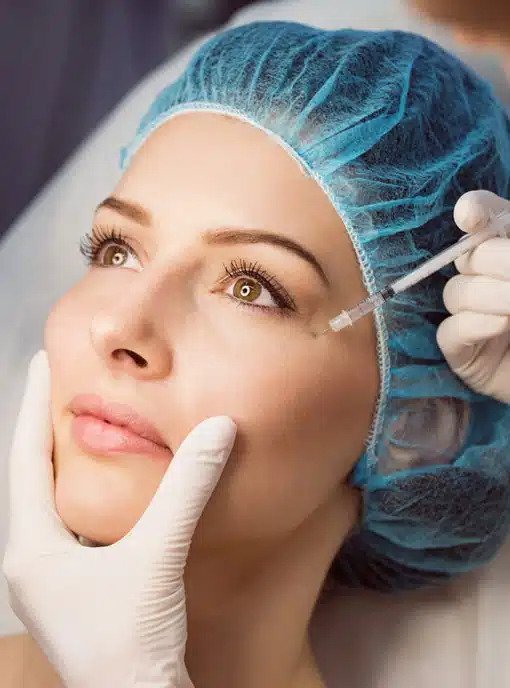
Hyperpigmentation, dark spots, and uneven skin tone are common dermatological concerns affecting individuals across various skin types and backgrounds. In recent years, the aesthetic and wellness industry has introduced advanced dermal solutions designed to revitalize dull complexions from within, and Skin Glowing Injections in Abu Dhabi have emerged as a widely discussed option for individuals seeking luminous, balanced skin. These injectable formulations typically combine potent antioxidants, hydrating agents, and essential vitamins to target cellular stress and encourage an even, radiant appearance.
- Explores the widespread concern of hyperpigmentation and uneven skin tone.
- Introduces the exact focus keyword in the second sentence of the opening paragraph.
- Defines the foundational purpose and composition of injectable skin brightening formulations.
Understanding Hyperpigmentation and Skin Discoloration
To understand how injectable skin treatments interact with uneven skin tone, it is essential to first examine the biological mechanisms behind pigmentation. Pigmentation occurs when specialized cells in the epidermis produce melanin, the natural pigment responsible for skin, hair, and eye color. While melanin serves a protective role against ultraviolet radiation, excessive or irregular production leads to localized dark patches, sunspots, and post-inflammatory marks.
- Explains the biological role of melanin in the human epidermis.
- Clarifies how overproduction of melanin results in visible dark spots and discoloration.
- Establishes a scientific baseline for understanding pigment-correcting therapies.
The Role of Melanocytes and Tyrosinase
Melanocytes are the dendritic cells located in the basal layer of the epidermis that synthesize melanin. Within these cells, an enzyme called tyrosinase acts as the primary catalyst in the chemical pathway that converts the amino acid tyrosine into melanin. When internal or external triggers stimulate tyrosinase activity, melanocytes accelerate pigment production and transfer melanosomes to surrounding skin cells, creating visible discoloration on the surface.
- Identifies melanocytes as the primary pigment-producing cells in the skin.
- Highlights the critical enzymatic role of tyrosinase in melanin synthesis.
- Describes how excess pigment transfers to surface skin cells.
Common Triggers of Uneven Skin Tone
Several everyday factors can disrupt normal melanin regulation and trigger hyperpigmentation. Prolonged sun exposure remains the leading external catalyst, as ultraviolet rays stimulate melanocytes to produce protective pigment. Additionally, hormonal fluctuations, natural aging processes, oxidative stress from environmental pollutants, and skin trauma from blemishes or irritation can leave behind stubborn dark marks that persist long after the initial trigger has resolved.
- Lists ultraviolet radiation as the primary environmental trigger for dark spots.
- Notes internal triggers such as hormonal shifts and natural aging.
- Mentions post-inflammatory pigmentation caused by blemishes and oxidative stress.
How Skin Glowing Injections Work to Address Pigmentation
Unlike topical creams and serums that must penetrate the outer stratum corneum barrier, injectable skin treatments deliver active nutrients directly into the dermal layer or bloodstream. This direct delivery system ensures maximum bioavailability, allowing potent brightening and hydrating compounds to reach the cellular environment where melanin synthesis takes place. By nourishing the skin from the inside out, these formulations help regulate pigment production while improving overall dermal vitality.
- Contrasts direct injectable delivery with the absorption limits of topical skincare.
- Emphasizes higher bioavailability of active ingredients at the cellular level.
- Explains how internal nourishment supports balanced pigment regulation.
Inhibiting Excess Melanin Production
The primary mechanism through which glowing injections help reduce pigmentation involves modulating the activity of the tyrosinase enzyme. Specific antioxidants and vitamins within these formulations bind to tyrosinase, slowing down the biochemical chain reaction that creates dark eumelanin. By shifting melanin synthesis toward lighter pheomelanin and preventing new dark spots from forming, the treatment gradually promotes a clearer, more uniform complexion.
- Details how active ingredients inhibit the tyrosinase enzyme.
- Explains the shift from darker pigment synthesis to lighter pigment pathways.
- Shows how regulating enzyme activity prevents new discoloration from forming.
Boosting Cellular Turnover and Hydration
Beyond suppressing excess melanin, skin glowing injections play a vital role in accelerating cellular renewal and restoring deep dermal moisture. Ingredients like non-cross-linked hyaluronic acid attract and retain water molecules within the extracellular matrix, plumping the skin and enhancing light reflection. Simultaneously, micronutrients support healthy cell turnover, helping the epidermis shed older, pigment-laden keratinocytes more efficiently to reveal fresher, brighter skin underneath.
- Highlights the hydrating role of hyaluronic acid in improving skin luminosity.
- Explains how accelerated cell turnover helps shed existing pigmented surface cells.
- Connects deep dermal moisture with improved light reflection and radiance.
Key Active Ingredients Found in Skin Glowing Injections
The effectiveness of injectable skin brightening relies heavily on the synergistic blend of bioactive compounds used in the formulation. Rather than relying on a single active agent, modern protocols combine master antioxidants, essential vitamins, amino acids, and hydrating molecules to address multiple pathways of skin dullness and discoloration simultaneously.
- Introduces the multi-ingredient approach behind modern skin glowing formulations.
- Emphasizes synergy between antioxidants, vitamins, and hydrating agents.
- Sets the stage for examining individual active ingredients in detail.
Glutathione
Glutathione is a tripeptide composed of three amino acids—glutamine, glycine, and cysteine—and is widely recognized as the body’s master antioxidant. In skin brightening formulations, glutathione directly inhibits tyrosinase activity and neutralizes free radicals generated by UV exposure and pollution. By reducing oxidative stress within melanocytes, glutathione helps diminish existing hyperpigmentation and prevents the formation of new dark patches.
- Defines glutathione as a master antioxidant composed of three essential amino acids.
- Explains its dual action of neutralizing free radicals and inhibiting tyrosinase.
- Connects reduced oxidative stress to a brighter, more even skin tone.
Vitamin C (Ascorbic Acid)
Vitamin C is a water-soluble antioxidant essential for collagen synthesis and pigment correction. When delivered alongside glutathione, ascorbic acid works synergistically to regenerate oxidized glutathione back into its active form, prolonging its brightening effects. Furthermore, Vitamin C interacts with copper ions at the active site of tyrosinase, further suppressing abnormal melanin production and enhancing overall skin luminosity.
- Highlights Vitamin C’s role in supporting collagen and correcting uneven tone.
- Explains how ascorbic acid regenerates glutathione for sustained antioxidant activity.
- Describes its direct interaction with tyrosinase to limit excess pigment.
Hyaluronic Acid and Amino Acids
While antioxidants target pigment synthesis, uncross-linked hyaluronic acid and essential amino acids restore structural hydration and elasticity. Hyaluronic acid binds moisture deep within the dermis, smoothing micro-texture and eliminating the dehydrated, lackluster appearance that often accompanies uneven skin tone. Amino acids such as proline, lysine, and glycine provide the building blocks for healthy structural proteins, reinforcing the skin barrier against environmental stressors.
- Distinguishes hydrating and structural ingredients from pigment-inhibiting antioxidants.
- Explains how hyaluronic acid improves surface smoothness and light reflection.
- Notes how amino acids support barrier strength and structural protein synthesis.
Types of Pigmentation That Respond Best to Treatment
Not all forms of skin discoloration behave the same way, as pigment can sit at varying depths within the epidermis and dermis. Understanding which types of hyperpigmentation respond best to injectable brightening formulations helps set realistic expectations for achieving a balanced, luminous complexion.
- Acknowledges that hyperpigmentation varies in depth and biological origin.
- Introduces a breakdown of specific pigment conditions that respond to treatment.
- Helps readers align their specific skin concerns with expected outcomes.
Sunspots and UV-Induced Discoloration
Solar lentigines, commonly known as sunspots or age spots, develop in areas frequently exposed to ultraviolet light. Because UV-induced pigmentation is driven heavily by free radical damage and localized tyrosinase overactivity, antioxidant-rich glowing injections are particularly effective at softening the appearance of sunspots and restoring clarity to sun-stressed skin.
- Defines sunspots as localized pigmentation caused by cumulative UV exposure.
- Explains why antioxidant formulations effectively target UV-induced oxidative stress.
- Notes improvements in overall skin clarity and reduction in dark spot intensity.
Post-Inflammatory Hyperpigmentation (PIH)
Post-inflammatory hyperpigmentation occurs when the skin produces excess melanin following blemishes, minor scratches, or surface irritation. These flat, discolored marks sit primarily in the upper layers of the skin. By accelerating epidermal cell turnover and calming lingering oxidative stress, skin glowing injections help fade post-blemish marks more rapidly than natural healing alone.
- Explains the origin of post-inflammatory hyperpigmentation after skin irritation.
- Notes that PIH resides mainly in the upper layers of the epidermis.
- Describes how enhanced cellular renewal speeds up the fading of dark marks.
Melasma and Hormonal Patches
Melasma presents as symmetrical, blotchy patches of brown or grayish-brown pigmentation, often linked to hormonal shifts and heat or light exposure. Because melasma involves deeper dermal components and persistent melanocyte sensitivity, injectable antioxidants serve as a supportive measure to help calm pigment activity and brighten surrounding skin, though melasma typically requires ongoing maintenance and strict sun protection.
- Characterizes melasma as symmetrical patches driven by hormonal and light triggers.
- Explains that melasma involves deeper, more persistent melanocyte sensitivity.
- Positions glowing injections as a supportive brightening measure alongside sun protection.
Comparing Skin Glowing Injections with Topical Brightening Products
Many individuals exploring pigment reduction wonder how injectable formulations compare to traditional topical creams, serums, and chemical exfoliants. Both approaches aim to regulate melanin and improve skin radiance, yet they differ significantly in how they interact with the skin’s natural anatomy.
- Frames a direct comparison between injectable treatments and topical skincare.
- Notes that both methods share the goal of regulating melanin and boosting radiance.
- Highlights anatomical delivery differences as the primary distinction.
Absorption and Bioavailability
The human epidermis is specifically engineered to keep external substances out, which means a large percentage of active ingredients in topical serums remain on the surface or degrade before reaching deeper layers. Injectable formulations bypass the stratum corneum entirely, delivering concentrated vitamins, antioxidants, and hydrating molecules directly where melanocytes and fibroblasts reside.
- Explains how the skin barrier limits the penetration of topical brightening products.
- Demonstrates how injections bypass the outer barrier for complete absorption.
- Connects direct dermal delivery with higher cellular efficiency.
Speed and Uniformity of Results
Because topical products rely on gradual surface penetration, noticeable fading of dark spots often takes several months of consistent daily application. In contrast, direct dermal delivery allows active ingredients to interact with pigment pathways more immediately, often yielding a more uniform, all-over luminosity across the face, neck, and hands rather than isolated spot correction.
- Compares the slower timeline of topical products with direct dermal action.
- Highlights whole-face radiance and uniformity as key benefits of injectable delivery.
- Notes applicability across multiple exposed areas like the face, neck, and hands.
Maintaining Results and Supporting Long-Term Radiance
Achieving a brighter, more even complexion with skin glowing injections is only one part of managing pigmentation. Because melanocytes remain active throughout life and respond continuously to environmental stimuli, adopting supportive daily habits is essential for preserving clarity and preventing dark spots from returning.
- Emphasizes that long-term pigment management requires ongoing daily care.
- Reminds readers that melanocytes remain reactive to environmental triggers.
- Introduces practical lifestyle and skincare habits to sustain results.
Daily Broad-Spectrum Sun Protection
Consistent sun protection is the single most critical factor in maintaining pigment-free skin. Ultraviolet A and Ultraviolet B rays can rapidly reactivate dormant melanocytes, undoing the brightening progress achieved through injectable nutrients. Applying a broad-spectrum sunscreen daily shields the epidermis from UV-induced free radicals and keeps melanin production stable.
- Identifies daily sunscreen use as the most important habit for preventing relapse.
- Explains how UVA and UVB rays immediately stimulate melanin production.
- Reinforces the protective synergy between sunblock and internal antioxidants.
Supportive Skincare and Lifestyle Habits
Pairing injectable treatments with a gentle, nourishing daily skincare routine maximizes skin radiance. Incorporating topical antioxidants in the morning, maintaining adequate daily water intake, eating a nutrient-dense diet rich in colorful fruits and vegetables, and getting restorative sleep all contribute to lower systemic oxidative stress and a naturally luminous complexion.
- Recommends gentle topical antioxidants and proper hydration to complement treatments.
- Connects nutrient-rich nutrition and quality sleep with lower oxidative stress.
- Summarizes how holistic wellness sustains a bright, healthy skin appearance.
Frequently Asked Questions (FAQs)
How long does it take to see visible improvements in pigmentation after starting skin glowing injections?
Most individuals begin noticing an initial improvement in overall skin hydration and surface radiance within the first two to three weeks as hyaluronic acid and vitamins nourish the dermis. Gradual fading of stubborn dark spots and uneven pigmentation typically becomes more apparent over a series of sessions, as natural epidermal cell turnover sheds older pigmented cells and inhibits new melanin synthesis.
- Clarifies that initial hydration and glow appear within two to three weeks.
- Explains that noticeable pigment fading develops progressively across multiple sessions.
- Links the timeline to the natural cycle of epidermal cell renewal.
Can skin glowing injections completely remove deep dermal pigmentation?
While skin glowing injections significantly lighten surface discoloration, sunspots, and post-inflammatory marks, deep dermal pigmentation sits beneath the epidermal-dermal junction and is more resistant to clearance. In cases of deep-seated pigment, these injections help brighten the overall complexion and soften the contrast of dark patches, making the skin appear noticeably clearer and more balanced.
- Distinguishes between responsive epidermal spots and stubborn deep dermal pigment.
- Sets realistic expectations regarding overall brightening and reduced patch contrast.
- Confirms that treatment contributes to a visibly clearer, more balanced skin tone.
Are skin glowing injections suitable for all natural skin tones?
Yes, antioxidant and hydration-based skin glowing formulations are designed to work harmoniously across all natural skin tones, from fair to deep complexions. Rather than altering a person’s natural baseline skin color, the active ingredients focus on neutralizing oxidative stress, calming hyperactive melanocytes, and correcting irregular dark patches caused by sun exposure or inflammation.
- Confirms compatibility across the full spectrum of natural skin tones.
- Clarifies that the goal is correcting irregular spots rather than changing natural color.
- Highlights how calming oxidative stress benefits every complexion type.
What is the difference between skin glowing injections and standard dermal fillers?
Standard dermal fillers are formulated with cross-linked hyaluronic acid gels designed to add structural volume, contour facial features, and fill deep creases. In contrast, skin glowing injections use fluid, non-cross-linked hydrating molecules combined with vitamins and antioxidants like glutathione and Vitamin C to improve skin quality, boost luminosity, and reduce uneven pigmentation without altering facial shape or volume.