
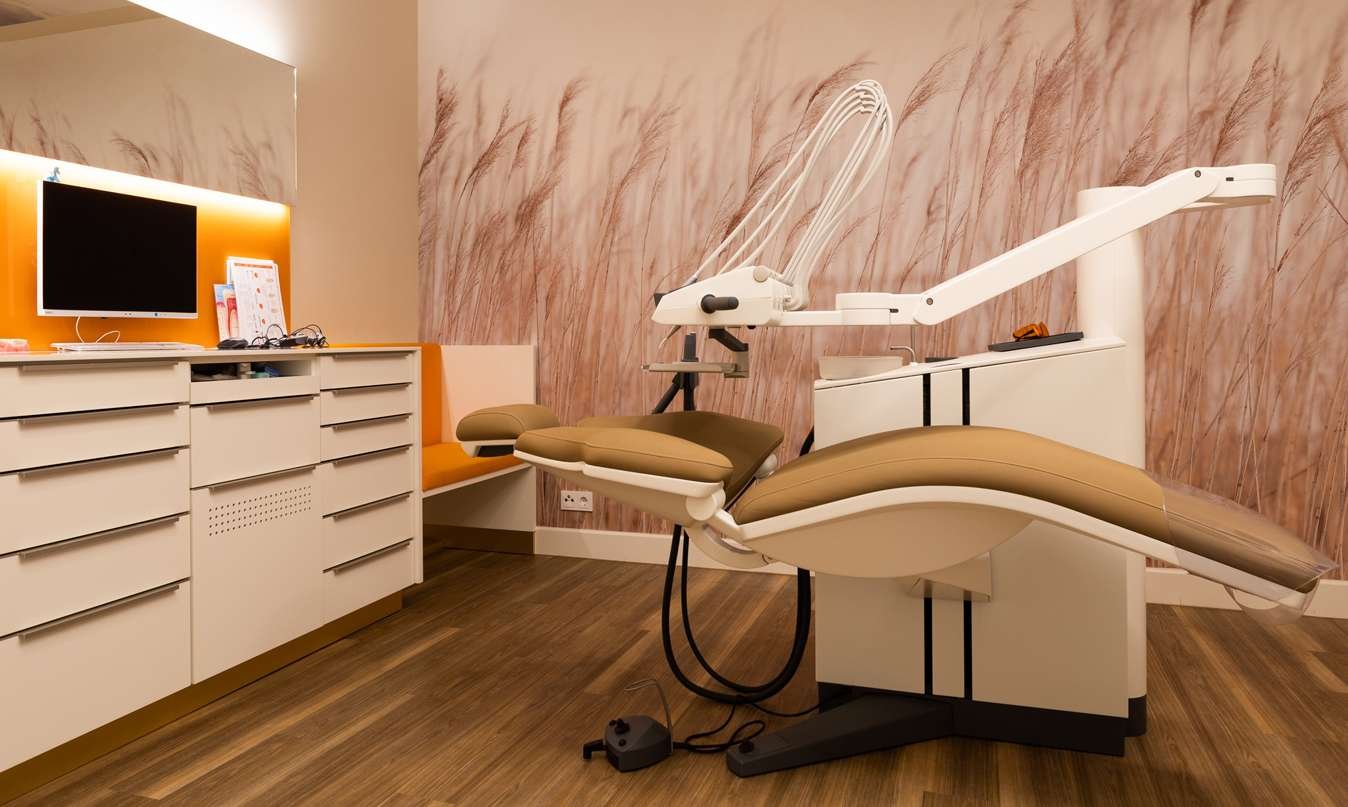
A sudden toothache, broken tooth, or unexpected dental injury can disrupt everyday life and require prompt attention. Finding the Best Emergency Dentist in Edmonton can help patients understand their treatment options and receive appropriate care when an urgent dental problem occurs. Knowing which symptoms require immediate attention and what steps to take before reaching a dental clinic can make a stressful situation easier to manage.
What Is Considered a Dental Emergency?
A dental emergency generally involves pain, injury, infection, or damage that needs timely professional evaluation. Some conditions can become more serious if treatment is delayed.
Common dental emergencies include:
- Severe or persistent toothaches
- Broken, cracked, or chipped teeth
- Knocked-out permanent teeth
- Dental abscesses and suspected infections
- Lost fillings or crowns causing discomfort
- Injuries to the gums, lips, or other oral tissues
- Swelling around the jaw or face
Not every dental problem requires emergency treatment, but persistent pain, swelling, bleeding, or significant damage should not be ignored.
Common Dental Emergencies and What to Do
Understanding how to respond to different dental problems can help protect your oral health until professional care is available.
Severe Toothache
A persistent toothache may result from tooth decay, an infection, a cracked tooth, or inflammation inside the tooth. Rinse your mouth gently with warm water and carefully floss around the affected area to remove any trapped food particles.
Avoid placing aspirin directly against the tooth or gums, as this can irritate the tissues. Contact a dental professional for an assessment, particularly if the pain is severe or accompanied by swelling or fever.
Broken or Chipped Tooth
A broken tooth can expose sensitive inner structures and cause discomfort. Rinse your mouth with warm water and save any broken pieces if possible. If there is bleeding, apply gentle pressure using clean gauze.
Avoid chewing on the damaged side and arrange a dental examination. The appropriate treatment may depend on the size and location of the damage.
Knocked-Out Tooth
A knocked-out permanent tooth requires urgent dental attention. Pick it up by the crown rather than touching the root. If it is dirty, rinse it gently with milk or saline, without scrubbing it.
If possible, keep the tooth moist in milk or place it back into its socket only if it can be done easily and safely. Seek emergency dental care immediately. Time is important when attempting to save a knocked-out permanent tooth.
Dental Abscess or Infection
A dental abscess is an infection that can develop around a tooth or within the surrounding gum tissue. Symptoms may include swelling, throbbing pain, a bad taste, fever, or discomfort when chewing.
An abscess requires prompt professional treatment and should not be managed through home remedies alone. Facial or neck swelling, difficulty swallowing, or difficulty breathing requires immediate emergency medical attention.
Why Prompt Emergency Dental Care Matters
Delaying treatment for a dental emergency can sometimes allow the underlying problem to worsen. For example, untreated infections may spread, while a damaged tooth may become more difficult to restore.
Prompt evaluation helps identify the cause of the problem and determine the most appropriate treatment. Depending on the condition, care may involve repairing a damaged tooth, treating an infection, managing pain, or performing an extraction when necessary.
Early attention can also help reduce discomfort and protect surrounding teeth and oral tissues.
How to Choose an Emergency Dentist
When an urgent dental issue occurs, choosing a suitable clinic is important. Patients may consider several factors before arranging an appointment.
Availability: Look for a clinic that can explain its emergency appointment process and whether urgent visits are available.
Range of care: Ask whether the clinic can assess the specific dental concern and discuss appropriate treatment options.
Clear communication: A dental team should explain the problem, possible treatments, and expected next steps in understandable language.
Location and accessibility: Choosing a conveniently located clinic can make it easier to reach professional care when dealing with pain or an injury.
Treatment planning: Patients should receive clear information about recommended procedures, potential costs, and follow-up care.
Preventing Common Dental Emergencies
Not every dental emergency can be prevented, but certain habits can reduce the risk of injuries and unexpected dental problems.
- Brush twice daily with fluoride toothpaste.
- Floss regularly to remove plaque and food particles.
- Attend routine dental checkups.
- Avoid chewing ice, hard sweets, and other objects that may damage teeth.
- Wear a properly fitted mouthguard during contact sports.
- Address cavities, sensitivity, and damaged fillings before they become more serious.
- Avoid using teeth to open bottles or packages.
Consistent preventive care helps identify potential concerns before they develop into urgent situations.
Emergency Dental Care at Schonsee Dental
Knowing where to seek professional advice can make an unexpected dental problem less stressful. Schonsee Dental is a dental clinic in Edmonton that individuals can consider when researching local dental care options.
Patients experiencing an urgent dental concern can contact the clinic to ask about appointment availability, the assessment process, and whether their particular situation can be addressed. Providing details about symptoms, pain levels, swelling, or dental injuries can help the clinic understand the nature of the concern.
It is also helpful to ask about treatment recommendations, expected costs, and any follow-up appointments that may be required.
Conclusion
Dental emergencies can happen unexpectedly, but taking the right steps can help protect your oral health. Severe toothaches, broken teeth, knocked-out permanent teeth, and suspected infections should receive timely professional attention. Knowing how to respond, maintaining good oral hygiene, and arranging regular checkups can reduce the risk of complications. When an urgent dental concern develops, contacting a qualified dental professional is an important step toward appropriate care and recovery.