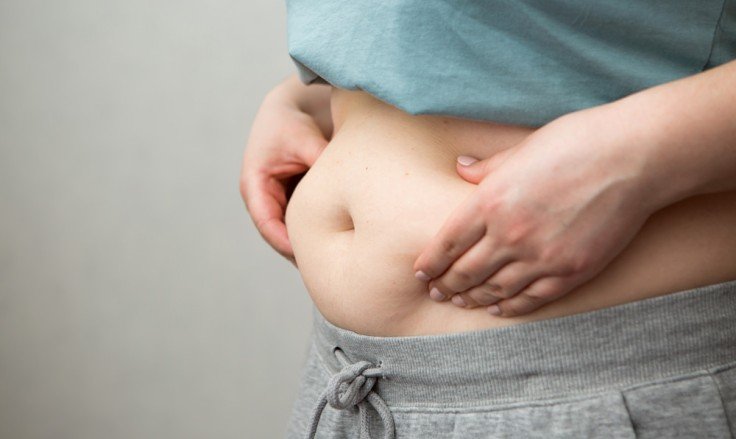
Exploring non-surgical options for weight management often leads people to look closely at how digestion and appetite signals work together. Understanding Gastric Botox in Abu Dhabi begins with knowing how targeted muscle relaxation inside the stomach wall influences fullness cues without changing digestive anatomy.
Many readers researching this approach want clear answers about what happens before, during, and after an endoscopic session. Going in with realistic expectations makes it easier to align the procedure with everyday eating habits, structured meal planning, and long-term wellness goals.
- Focuses on how targeted stomach muscle relaxation supports fullness and portion awareness.
- Leaves stomach structure and intestinal routing unchanged compared with surgical options.
- Works best when paired with structured nutrition and consistent lifestyle habits.
How Gastric Botox Works Inside the Digestive System
To understand why preparation matters, it helps to look at the mechanics of normal gastric motility. Smooth muscles in the stomach wall contract rhythmically to mix food and move it toward the pylorus and duodenum. When botulinum toxin is placed into specific muscular sites during an upper endoscopy, it temporarily dampens those contractions.
Slower gastric emptying means food remains in the stomach a bit longer after a meal. For many individuals, this creates a noticeable shift toward feeling satisfied sooner at the table and staying full longer between meals. As shown in the anatomical illustration above, the stomach body, pylorus, and surrounding curves coordinate this movement, making targeted placement central to how the treatment behaves.
Because the treatment is temporary, the muscle activity gradually returns over several months as the effect wears off. That temporary window is often used to practice mindful pacing, smaller portions, and nutrient-dense meal choices rather than relying on the injection alone.
- Temporarily reduces targeted contractions in the stomach wall.
- Slows how quickly food exits toward the pylorus and small intestine.
- Supports earlier fullness and longer satiety during a temporary window.
- Requires pairing with structured eating habits because the effect fades over time.
Candidacy and Setting Realistic Expectations
Deciding whether this procedure fits your goals starts with honest self-assessment alongside medical guidance. People typically explore it when diet and exercise alone have felt difficult to sustain, or when they prefer a non-surgical option without external incisions or anatomical alterations.
Candidacy often depends on factors such as body mass index ranges, overall health history, and readiness to follow a structured nutrition plan. Many sources note it is commonly considered for individuals with moderate weight goals—such as a BMI in the overweight or lower-to-moderate obesity range—who want support with portion control rather than a permanent anatomical change.
Setting realistic expectations is just as important as qualifying. The procedure helps quiet hunger and prolong fullness, yet high-calorie liquids, frequent grazing, or ultra-processed snacks can still work against steady progress. Viewing the treatment as a supportive tool rather than a standalone fix keeps your mindset grounded from day one.
- Suited for people seeking a non-surgical option that does not alter stomach anatomy.
- Evaluated alongside BMI guidelines, medical history, and readiness for nutrition changes.
- Helps with appetite and portion cues, but calorie-dense liquids or grazing can offset results.
- Works as a temporary support window rather than a permanent replacement for daily habits.
Key Factors Evaluated Before You Begin
A thorough pre-procedure review looks beyond the scale to see how your daily routine supports long-term consistency. Understanding typical eating triggers, meal timing, and current medication routines helps set up smoother preparation before your appointment date.
- Weight and BMI profile: Clarifies whether moderate non-surgical support aligns with your goals.
- Eating patterns: Identifies habits like late-night snacking or sugary drinks that need structure.
- Medication and health review: Ensures pre-procedure fasting and medication adjustments are clear.
- Commitment to follow-up: Reinforces pairing the temporary effect with lasting nutrition skills.
Pre-Procedure Preparation and What Happens During the Visit
Preparing properly for an endoscopic procedure helps ensure the stomach is clear and the visit runs smoothly. You will receive specific instructions beforehand, commonly including a fasting window where no food or drink is taken for a set period so the endoscopist has a clear view of the stomach lining.
Some preparation plans also involve temporary adjustments to regular medications or supplements leading up to the appointment. Because sedation is typically used for comfort during upper endoscopy, planning ahead for someone to drive you home afterward is standard practical preparation.
During the procedure itself, a thin, flexible tube equipped with a light and camera—called an endoscope—is guided gently through the mouth into the stomach. Through this instrument, targeted micro-injections are placed into selected areas of the stomach muscle. The endoscopic portion is brief, often taking roughly 10 to 30 minutes depending on the exact protocol.
- Follow fasting rules strictly so the stomach is empty for clear endoscopic visualization.
- Confirm any medication timing changes and arrange a ride home due to sedation.
- Expect a flexible endoscope to deliver targeted injections into stomach muscle layers.
- Plan for a brief procedure window followed by post-sedation recovery.
How Endoscopic Placement Differs From Surgery
Unlike surgical weight-loss operations that cut, staple, or reroute parts of the gastrointestinal tract, endoscopic muscle injection leaves the digestive pathway intact. There are no external skin incisions or surgical scars, and the stomach retains its natural shape.
- Uses the natural oral route via a flexible scope rather than abdominal incisions.
- Preserves existing stomach volume and intestinal pathways.
- Relies on temporary neuromuscular modulation rather than structural modification.
Post-Procedure Recovery, Nutrition, and Timeline
After the sedation wears off and you have rested, most people head home the same day and ease back into light daily routines fairly quickly. Because the stomach has just undergone an endoscopic procedure, early post-visit care usually centers on gentle hydration and a gradual return to food.
Many structured post-procedure meal plans start with liquids or soft, easy-to-digest foods during the first couple of days before slowly reintroducing balanced solid meals. Eating slowly, chewing thoroughly, and stopping when comfortable fullness arrives become especially important as gastric emptying slows.
Appetite shifts do not always appear overnight; some people notice changes within days, while for others it takes a week or two to sense fuller meals and quieter hunger. Over the coming months, steady protein intake, fiber-rich vegetables, whole grains, and regular physical activity help turn that temporary fullness window into lasting habits.
Frequently Asked Questions About Gastric Botox in Abu Dhabi
1. How long does the effect of Gastric Botox in Abu Dhabi typically last?
The muscle-relaxing effect in the stomach is temporary and generally lasts around three to six months, depending on individual metabolism and response. Because the action gradually fades over time, lasting weight management depends on the nutrition and lifestyle routines you build while the effect is active.
- Effect is temporary, typically spanning roughly three to six months.
- Gradual wearing off makes ongoing nutrition habits essential.
2. When do fullness and appetite changes usually start after the procedure?
Many people begin noticing reduced hunger or getting full sooner anywhere from a few days to about ten days after the procedure. Paying attention to early fullness cues and pacing meals slowly helps you get the most benefit as those signals settle in.
- Noticeable changes often appear within several days to about ten days.
- Slow, mindful eating helps you recognize fullness before overeating.
3. Does Gastric Botox require cutting or permanently changing the stomach?
No, it is an endoscopic procedure performed through the mouth using a thin, flexible scope rather than traditional open or keyhole surgery. It does not remove stomach tissue, staple the stomach, or reroute the intestines.
- Performed endoscopically without surgical cuts or anatomical reshaping.
- Leaves stomach size and digestive pathways intact.
4. Why is a nutrition plan important alongside Gastric Botox?
Slower stomach emptying can help you feel satisfied on smaller portions, but food quality and liquid calories still shape your overall intake. Pairing the procedure with structured meals rich in lean protein, fiber, and steady hydration supports consistent progress during and after the treatment window.