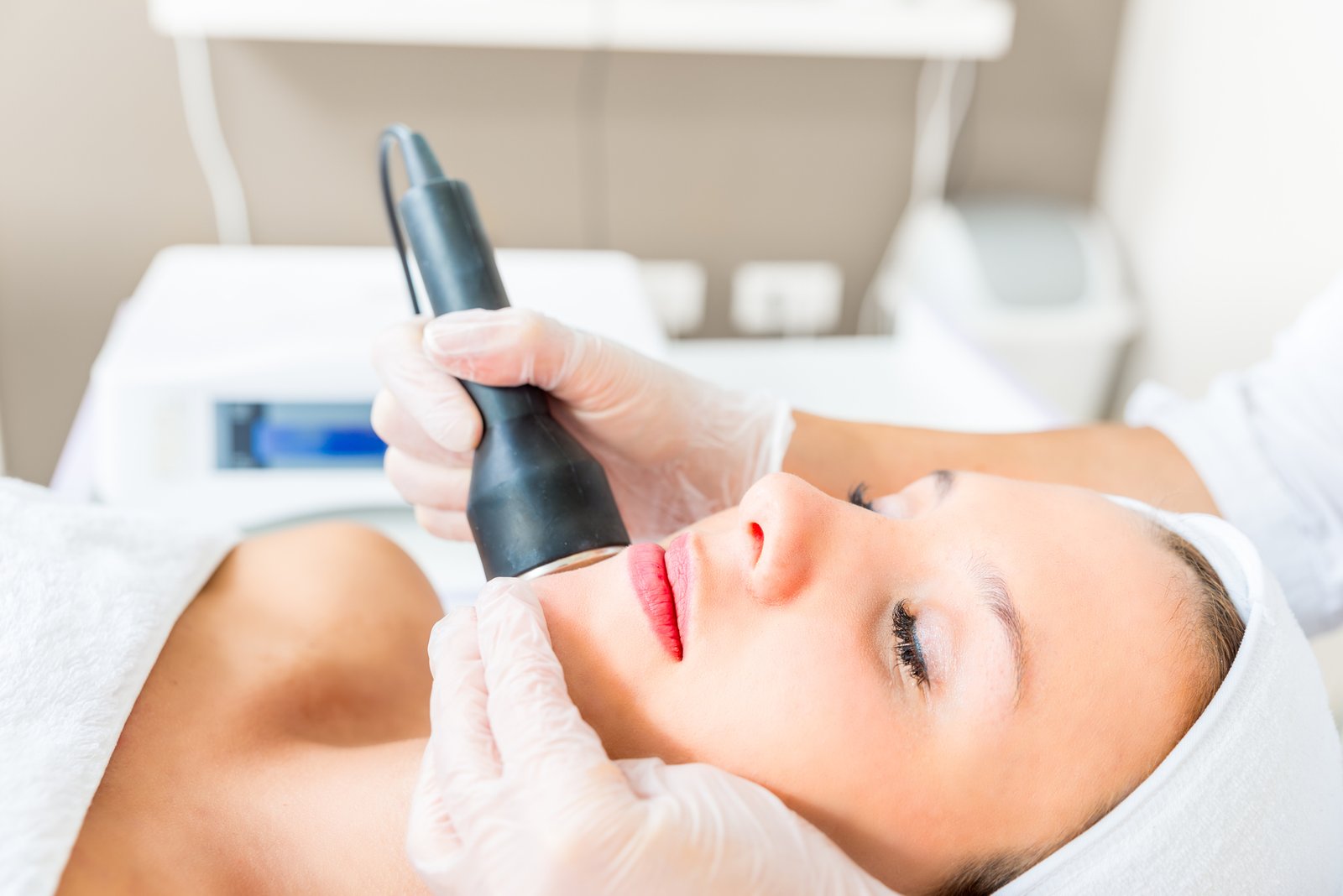
Hyperpigmentation and uneven skin tone affect millions of people, often lingering long after the initial trigger has passed. When topical creams fall short of reaching deeper pigment deposits, Laser Skin Resurfacing Abu Dhabi offers an advanced, light-based solution engineered to restore clarity and uniformity to the complexion. By delivering precise wavelengths of energy directly into targeted layers of the epidermis and dermis, this technology breaks down excess melanin clusters while encouraging healthy cellular renewal. Exploring how laser energy interacts with different types of discoloration clarifies why it has become a premier option for achieving radiant, balanced skin.
- Stubborn dark spots and uneven skin tone frequently resist surface-level topical skincare.
- Advanced light-based resurfacing targets excess melanin clusters beneath the surface to restore clarity.
- Controlled wavelengths promote healthy cell turnover for a brighter, more balanced complexion.
Understanding Skin Pigmentation and Its Root Causes
Skin pigmentation is governed by melanin, the natural pigment produced by specialized cells called melanocytes. Under normal conditions, melanin distributes evenly to give skin its natural color and protect against environmental stressors. However, when melanocytes become overactive or damaged, they produce excess pigment that clumps together, creating visible patches, spots, and uneven tone.
- Specialized cells called melanocytes produce melanin, which determines natural skin color.
- Overactive melanocytes create concentrated pigment clusters that appear as dark spots and uneven patches.
Solar Lentigines and Sun-Induced Discoloration
Cumulative exposure to ultraviolet radiation is the leading external driver of excess melanin production. When sunlight hits unprotected skin, melanocytes ramp up pigment synthesis as a natural defense mechanism. Over years of repeated exposure, this defensive response becomes localized and permanent, resulting in sunspots, freckles, and mottled discoloration across areas frequently exposed to daylight, such as the face, neck, chest, and hands.
- Ultraviolet light triggers melanocytes to overproduce pigment as a protective response.
- Years of cumulative sun exposure lead to permanent sunspots, freckles, and mottled skin tone.
Post-Inflammatory Hyperpigmentation
Whenever the skin experiences trauma or inflammation—such as acne breakouts, eczema flare-ups, cuts, or burns—the healing process often triggers excess melanin release. Known as post-inflammatory hyperpigmentation, these flat brown, tan, or dark marks remain behind long after the underlying blemish or injury has healed. The deeper the inflammation extends into the skin, the more stubborn and pronounced the resulting discoloration tends to be.
- Skin trauma from acne, irritation, or minor injuries frequently stimulates excess melanin production.
- Flat dark marks persist after the initial blemish heals, especially when inflammation reaches deeper layers.
Hormonal Melasma and Deep Dermal Pigment
Melasma presents as symmetrical, patchy brown or grayish-brown discoloration, commonly appearing across the cheeks, forehead, bridge of the nose, and upper lip. Unlike simple sunspots, melasma is heavily influenced by internal hormonal fluctuations combined with heat and light exposure. Because the pigment in melasma often resides in both the outer epidermis and the deeper dermis, it requires carefully calibrated, multi-layered approaches to fade gradually without triggering further pigment activity.
- Melasma creates symmetrical brown or gray patches across prominent facial areas.
- Hormonal shifts, heat, and sunlight interact to deposit pigment across both superficial and deep skin layers.
How Laser Skin Resurfacing Targets Excess Melanin
Unlike surface exfoliants that only polish the outermost stratum corneum, laser skin resurfacing utilizes focused light energy to reach the exact depth where excess pigment resides. Through precise optical physics, the laser isolates discolored cells while leaving surrounding healthy tissue intact.
- Focused light beams penetrate beyond the surface to reach deep pigment deposits directly.
- Selective targeting breaks apart discolored cells while preserving surrounding healthy tissue.
Selective Photothermolysis Explained
The core scientific principle behind laser pigmentation correction is selective photothermolysis. Specific wavelengths of laser light are chosen because they are preferentially absorbed by melanin—the target chromophore—rather than surrounding water or blood vessels. When melanin granules absorb this concentrated light energy, they heat up rapidly and shatter into microscopic fragments. Because surrounding normal tissue does not absorb the wavelength at the same rate, the thermal impact stays confined precisely to the pigmented area.
- Specific laser wavelengths are absorbed directly by melanin granules rather than healthy surrounding cells.
- Absorbed energy shatters concentrated pigment clusters into tiny microscopic particles.
Cellular Clearance and Epidermal Turnover
Once excess melanin is broken down into tiny dust-like particles, the body’s natural immune and lymphatic systems step in to clear away the debris. Specialized immune cells called macrophages engulf the fragmented pigment and gradually transport it out of the tissue. Simultaneously, laser resurfacing accelerates epidermal turnover, pushing superficial pigmented cells upward to shed naturally as fresh, evenly pigmented skin cells emerge underneath.
- Immune cells gradually absorb and clear fragmented melanin particles from the dermis.
- Accelerated epidermal renewal pushes superficial dark spots to the surface where they shed away naturally.
Laser Modalities Used for Pigmentation Correction
Different types of hyperpigmentation sit at varying depths within the skin, meaning no single laser setting works identically for every concern. Modern resurfacing technologies offer distinct delivery mechanisms tailored to address superficial spots, deep dermal clusters, and mixed discoloration.
- Varying pigment depths require specialized laser technologies calibrated for specific skin layers.
- Distinct resurfacing modalities address superficial spots, deep dermal pigment, and complex discoloration.
Fractional Non-Ablative Lasers
Fractional non-ablative lasers deliver thousands of microscopic columns of thermal energy deep into the skin while leaving the outer epidermal barrier intact. Wavelengths such as 1550 nm and 1927 nm target water and pigment within controlled micro-zones, encouraging damaged pigmented cells to exfoliate naturally over several days. Because bridges of untouched skin surround every microscopic treatment column, healing occurs rapidly, making this modality particularly effective for sun damage, freckles, and stubborn melasma.
- Microscopic columns of heat treat pigment beneath the surface while keeping the outer barrier intact.
- Untreated bridges of healthy skin speed up recovery and promote steady clearance of sunspots and melasma.
Ablative Resurfacing Lasers
Ablative lasers—including carbon dioxide and erbium systems—work by vaporizing ultra-thin layers of the epidermis while delivering controlled heat to the underlying dermis. By physically removing damaged surface cells loaded with excess melanin, ablative resurfacing clears pronounced sunspots, age spots, and rough, discolored patches. As the new epidermis regenerates, the skin reveals a dramatically clearer, brighter, and more uniform tone alongside enhanced structural firmness.
- Ablative systems remove thin outer layers of pigment-heavy skin through precise vaporization.
- Regenerated epidermal tissue emerges noticeably brighter, smoother, and more even in color.
Picosecond and Q-Switched Toning Technologies
When addressing delicate or hormone-sensitive pigmentation, ultra-short pulse lasers—such as picosecond and Q-switched systems—deliver energy in billionths or trillionths of a second. Rather than relying heavily on sustained heat, these rapid pulses create a photoacoustic shockwave that shatters melanin granules into ultra-fine particles. Low-fluence laser toning gently clears deep dermal pigment and suppresses overactive melanocytes gradually over a series of sessions.
- Ultra-short light pulses shatter melanin using rapid acoustic energy rather than intense heat.
- Gentle, low-energy passes gradually fade deep pigment and calm overactive melanocytes.
Types of Pigmentation That Respond Best to Laser Resurfacing
Evaluating the origin and depth of discoloration helps clarify what kind of improvement can be achieved. Laser resurfacing excels across a broad spectrum of pigmentary concerns, transforming overall skin luminosity.
- Understanding the depth and cause of dark spots helps predict how effectively laser energy will clear them.
- Resurfacing enhances overall radiance across multiple categories of discoloration.
Age Spots and Freckles
Well-defined brown spots caused by cumulative sun exposure respond exceptionally well to laser resurfacing. Because the excess melanin in solar lentigines and freckles is concentrated within the upper layers of the skin, targeted light energy fragments the pigment quickly. Shortly after treatment, these spots often darken temporarily as microscopic pigment particles rise to the surface before flaking away to reveal clear skin underneath.
- Superficial sunspots and freckles absorb laser energy rapidly due to concentrated upper-layer melanin.
- Treated spots naturally rise to the surface and flake away, revealing fresh, clear skin.
Acne-Induced Dark Marks
Residual flat brown marks left behind by past breakouts fade significantly faster with laser resurfacing than with topical products alone. By breaking up stagnant melanin clusters and stimulating brisk cellular turnover, the laser erases lingering shadows of past inflammation while simultaneously refining any mild surface unevenness left by the breakout.
- Light energy fragments lingering pigment left behind after acne breakouts subside.
- Accelerated cell renewal fades dark marks quickly while smoothing minor surface irregularities.
Uneven Skin Tone and Dullness
Even without distinct individual spots, chronic environmental exposure often leaves the complexion looking sallow, blotchy, or dull. Full-face fractional resurfacing sweeps away scattered micro-pigment and dead surface buildup, restoring optical clarity so light reflects evenly across the entire face.
- Scattered micro-pigment and dull surface buildup are cleared away across the entire complexion.
- Removing blotchiness allows natural light to reflect uniformly for a radiant finish.
Optimizing and Maintaining Even Pigmentation Results
Because melanocytes remain active cells within the skin, achieving long-lasting clarity requires thoughtful preparation before laser sessions and consistent daily protection afterward. Supporting the skin barrier ensures smooth pigment clearance and prevents new discoloration from forming.
- Proper pre-treatment preparation and diligent aftercare help sustain clear, even-toned results.
- Protecting melanocytes from external triggers prevents fresh dark spots from developing.
Pre-Treatment Skin Preparation
Conditioning the skin prior to laser resurfacing calms hyperactive melanocytes and creates an ideal canvas for uniform energy absorption. Avoiding direct sun exposure and tanning ensures that baseline melanin levels remain stable, allowing the laser to distinguish clearly between normal skin tone and targeted dark spots. Incorporating gentle hydrators and melanin-stabilizing skincare in the weeks beforehand further supports predictable, even fading.
- Avoiding sun exposure keeps baseline skin tone stable so lasers accurately target dark spots.
- Pre-conditioning with hydrating and pigment-calming skincare promotes uniform clearance.
Daily Photoprotection and Barrier Support
Following laser resurfacing, newly regenerated skin cells are especially sensitive to ultraviolet light and visible sunlight. Applying a broad-spectrum sunscreen with high SPF every morning—and reapplying throughout the day—is essential to prevent UV rays from triggering fresh melanin production. Tinted sunscreens containing iron oxides offer added defense against visible light, which is particularly beneficial for keeping stubborn conditions like melasma dormant. Pairing daily sun protection with antioxidant serums and barrier-repairing moisturizers locks in luminosity and preserves an even complexion over the long term.
- Daily broad-spectrum sunscreen shields fresh, newly formed skin cells from UV-induced pigment rebound.
- Tinted formulas with iron oxides block visible light to help prevent melasma from returning.
- Antioxidants and gentle moisturizers reinforce the skin barrier and maintain long-lasting brightness.
Frequently Asked Questions
How many laser resurfacing sessions are typically needed to fade pigmentation?
The number of sessions depends on the depth and type of pigmentation being addressed. Superficial sunspots and freckles often show noticeable clearing after one to three sessions, whereas deeper dermal pigment, post-inflammatory marks, or stubborn melasma generally require a series of three to six spaced treatments for gradual, comprehensive fading.
Why do dark spots sometimes appear darker right after a laser treatment?
Immediately following laser exposure, fragmented melanin particles absorb energy and migrate upward toward the outermost layer of the epidermis as part of the natural shedding process. This temporary darkening—often resembling tiny coffee grounds on the surface—indicates that the pigment has been successfully targeted and will naturally flake off within several days.
Can laser skin resurfacing treat pigmentation on areas other than the face?
Yes, laser resurfacing can safely and effectively improve hyperpigmentation on several sun-exposed areas of the body. Common treatment zones include the neck, chest, shoulders, forearms, and the backs of the hands, where cumulative sunspots and mottled discoloration frequently appear.
Will pigmentation return after completing laser skin resurfacing?
While laser resurfacing effectively clears existing pigment clusters, melanocytes can still produce new melanin if exposed to unprotected ultraviolet rays, excessive heat, or hormonal shifts. Maintaining a consistent skincare routine anchored by daily broad-spectrum sunscreen and antioxidant protection significantly reduces the likelihood of recurring spots.