
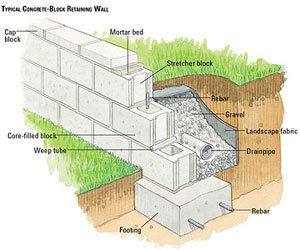
A well-designed retaining wall can transform an uneven outdoor space into a practical, attractive, and functional landscape. Whether you want to create a level garden, prevent soil erosion, support a sloping backyard, or improve the appearance of your property, choosing the right building material is essential. Concrete masonry blocks are a popular option because they offer strength, durability, and flexibility in design.
For Australian homeowners, particularly those dealing with sloping blocks and changing ground levels, blocks for retaining wall construction can provide an effective long-term landscaping solution. With different colours, textures, and finishes available, block retaining walls can complement almost any outdoor design while providing the structural support your property needs.
Why Choose Block Retaining Walls for Your Property?
Retaining walls do more than hold soil in place. They help create usable outdoor areas, improve garden organisation, and protect landscaping from soil movement.
Concrete retaining wall blocks are designed to provide a strong and stable structure when installed using appropriate construction methods. They are suitable for residential gardens, commercial landscapes, garden borders, and larger landscaping projects.
Here are some important advantages:
- Strength and durability: Quality concrete blocks provide reliable structural support when correctly designed and installed.
- Low maintenance: Concrete masonry generally requires minimal ongoing maintenance compared with some alternative materials.
- Design flexibility: Different block colours, shapes, and textures allow homeowners to achieve their preferred appearance.
- Erosion control: Properly constructed retaining walls help manage soil movement on sloping properties.
- Better outdoor functionality: They can turn uneven ground into usable garden areas, pathways, and outdoor spaces.
Different Types of Blocks for Retaining Wall Construction
Selecting suitable materials is an important part of any retaining wall project. The right choice depends on wall height, soil conditions, drainage requirements, and the overall landscape design.
1. Concrete Retaining Wall Blocks
Concrete blocks are widely used for retaining wall construction because of their strength and versatility. They can be arranged in different patterns and finishes to create both functional and decorative structures.
These blocks are particularly suitable for garden retaining walls, property boundaries, and landscaping projects where a durable finish is required.
2. Coloured and Textured Masonry Blocks
If appearance is an important consideration, coloured and textured masonry blocks can add character to your outdoor space.
They are available in contemporary finishes that complement modern Australian homes. Depending on the chosen design, they can create attractive feature walls, raised garden beds, and decorative landscape structures.
3. Interlocking Retaining Wall Blocks
Interlocking blocks are designed to connect with neighbouring units, helping create a stable wall system. Their installation requirements depend on the manufacturer’s specifications, wall height, and site conditions.
They can be a practical option for landscaping projects that require an organised and consistent finish.
Important Factors to Consider Before Building a Retaining Wall
Before purchasing materials or beginning construction, it is important to understand the requirements of your property.
Foundation and Footings
A stable foundation is essential for retaining wall performance. Depending on the wall height and ground conditions, construction may require a compacted road base or reinforced concrete footing.
The foundation should be properly prepared to minimise movement and provide adequate support.
Proper Drainage
Water pressure behind a retaining wall can create significant problems if drainage is inadequate.
A suitable drainage system may include:
- Aggregate backfill behind the wall.
- Agricultural drainage pipes (AGI pipes).
- Appropriate water outlets or weep holes.
- Proper surface water management.
These measures help prevent water accumulation and reduce pressure against the wall.
Wall Height and Engineering
The required construction method depends on the wall’s height, soil conditions, loading, and site location.
Taller retaining walls or walls supporting driveways, buildings, or other significant loads may require engineering specifications and approval. Always check applicable Australian building requirements before construction.
Where Can You Use Block Retaining Walls?
One of the biggest advantages of using blocks for retaining wall projects is their versatility. They can be incorporated into different areas of residential and commercial properties.
Popular applications include:
- Sloping backyards: Create level sections for outdoor activities and garden spaces.
- Raised garden beds: Separate planting areas and make garden maintenance easier.
- Garden boundaries: Establish clear divisions between different landscape sections.
- Driveway landscaping: Help manage changes in ground elevation around driveways.
- Decorative feature walls: Improve the visual appeal of outdoor environments.
- Commercial landscaping: Provide practical soil support for larger outdoor developments.
With careful planning, a block retaining wall can improve both the appearance and functionality of your property.
Why Professional Retaining Wall Installation Matters
Although retaining wall blocks may look straightforward to install, constructing a stable wall requires proper planning, ground preparation, and technical knowledge.
Professional contractors can assess the site, identify drainage challenges, select suitable materials, and determine the appropriate footing requirements.
Retaining Walls Landscaping Canberra provides retaining wall supply, construction, and repair services for residential and commercial properties across the Canberra region. The team works with different block finishes and construction methods to deliver retaining solutions suited to individual landscaping requirements.
Working with experienced professionals can help minimise construction issues and ensure the finished wall meets the requirements of your project.
Choose the Right Blocks for Your Next Landscaping Project
Investing in a quality retaining wall can make a significant difference to your outdoor space. From managing sloping ground to creating attractive garden features, concrete masonry walls offer a practical combination of strength, appearance, and functionality.
When considering blocks for retaining wall construction, remember to evaluate material quality, foundation preparation, drainage, and engineering requirements before starting work.
If you are planning a retaining wall project in Canberra, Retaining Walls Landscaping can help with material selection, construction, and repair requirements.
Visit www.retainingwalls-landscaping.com/block-walls/ to explore block wall solutions and discuss your project requirements. Request a quote and take the next step towards creating a stronger, more functional outdoor space.
Frequently Asked Questions (FAQs)
1. What are the best blocks for retaining wall construction?
Concrete masonry blocks are a popular choice because they offer strength, durability, and different design finishes. The best option depends on wall height, soil conditions, drainage, and engineering requirements.
2. Are concrete retaining wall blocks durable?
Yes. Properly manufactured concrete blocks can provide long-lasting performance when installed with suitable foundations, drainage, and construction methods.
3. Do block retaining walls need drainage?
Yes. Appropriate drainage is essential because water accumulation behind a retaining wall can increase pressure and contribute to structural problems.
4. Can retaining wall blocks be used for garden landscaping?
Absolutely. They are suitable for raised garden beds, garden borders, sloping yards, planter areas, and decorative landscape features.
5. Do I need an engineer for a block retaining wall?
Engineering requirements depend on wall height, soil conditions, site location, and nearby structures or loads. Taller or structurally significant walls may require engineering assessment and relevant approvals.
6. How do I choose the right retaining wall contractor in Canberra?
Look for an experienced contractor who understands site preparation, drainage, footing requirements, block selection, and local construction requirements. Request a detailed quote before starting your project.