
Introduction
If you’re looking for a simple way to learn a new language, starting with basic vocabulary like numbers is an excellent place to start. One of the most common languages in the world is Chinese; therefore, learning how to use Chinese numbers can be a great first step on your language-learning path. Whether you plan to visit China, interact with people who speak Chinese, learn the language, or just expand your vocabulary, knowing how to express numbers in Chinese can make daily interactions easier.
Learning to use the Chinese number system is simple enough since it has a predictable format. Each of the numbers in the Chinese numbering system (Mandarin) has its own character and pronunciation. By understanding the most fundamental numbers used in everyday life (the numbers 1 through 10), you will have no problem understanding larger numbers like 100, 1,000, and potentially 10,000.
Chinese Numbers from 1 to 10
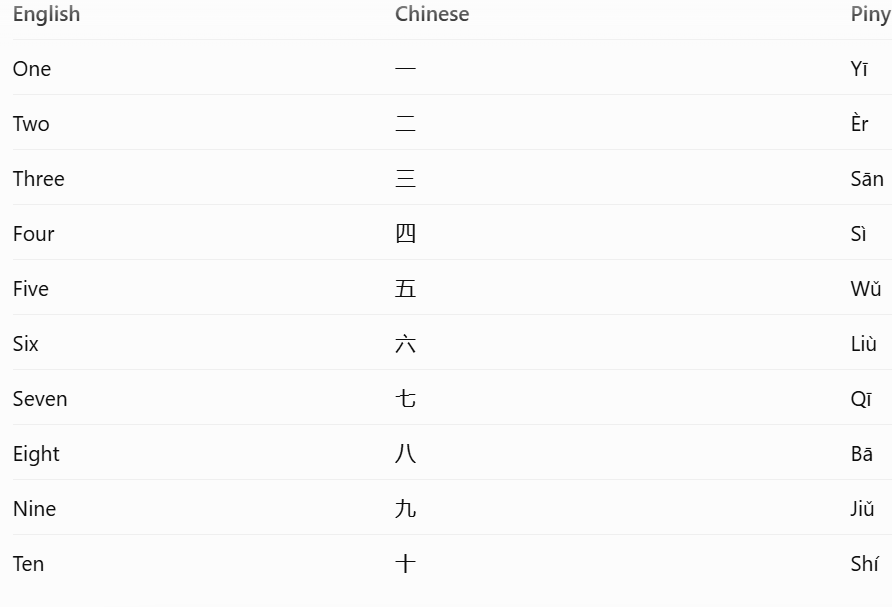
When beginning to Learn Chinese numbers, the first step is to memorize the numbers 1 through 10. You will use these numbers on a regular basis when speaking with others, counting items, making purchases, and indicating quantities.
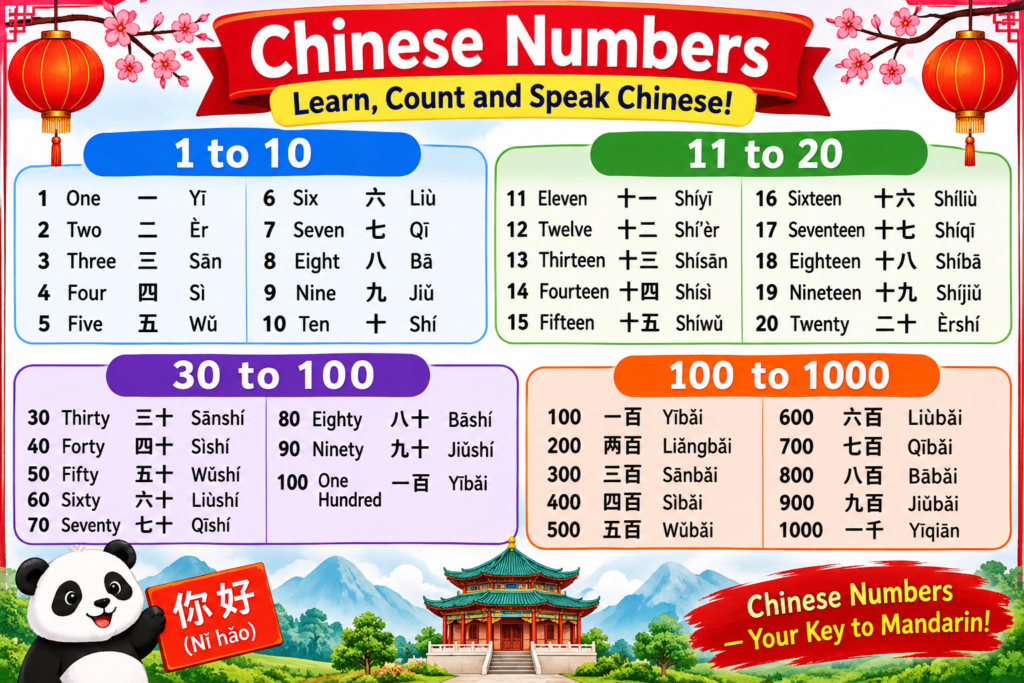
These fundamental digits serve as the building blocks for acquiring a knowledge of Mandarin Chinese. Pronouncing these digits daily will assist you in improving your verbal expression abilities.
Chinese Homework
Beginners Chinese Homework helps students improve their knowledge of the Chinese language. It allows learners to practice Chinese words, numbers, characters, pronunciation, and basic sentences. By completing homework regularly, students can improve their reading, writing, and speaking skills. Daily practice makes learning Chinese easier, more interesting, and enjoyable.
Chinese Numbers from 11 to 20
After you have learned the numbers from one through ten, the next step is to understand the numbers from eleven through twenty. Chinese numbers are structured in an easy manner. For instance, eleven is 十一 (Shíyī), which translates into ten plus one.
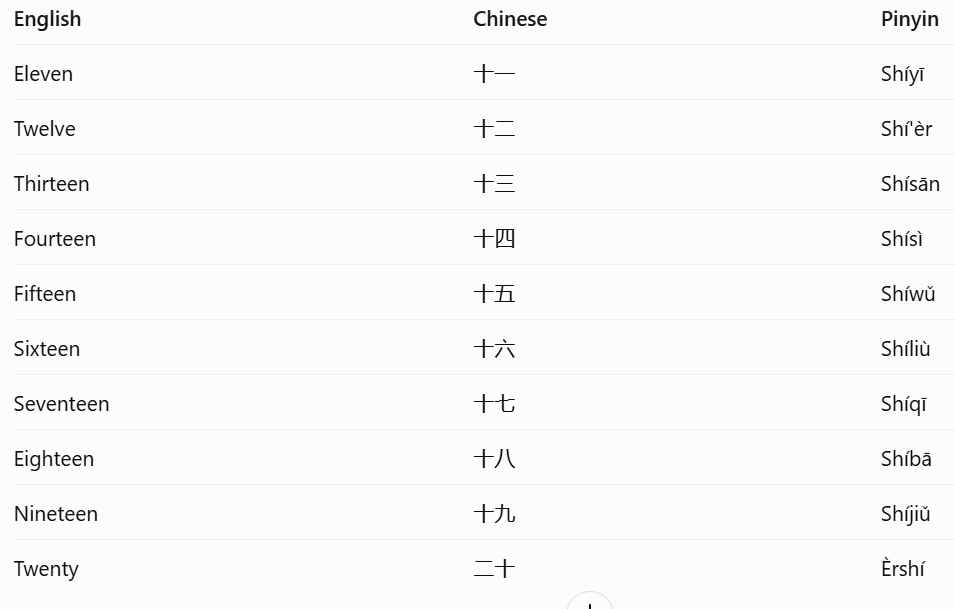
Learning this structure will help you learn how Chinese numbers are constructed.
Chinese Numbers from 30 to 100
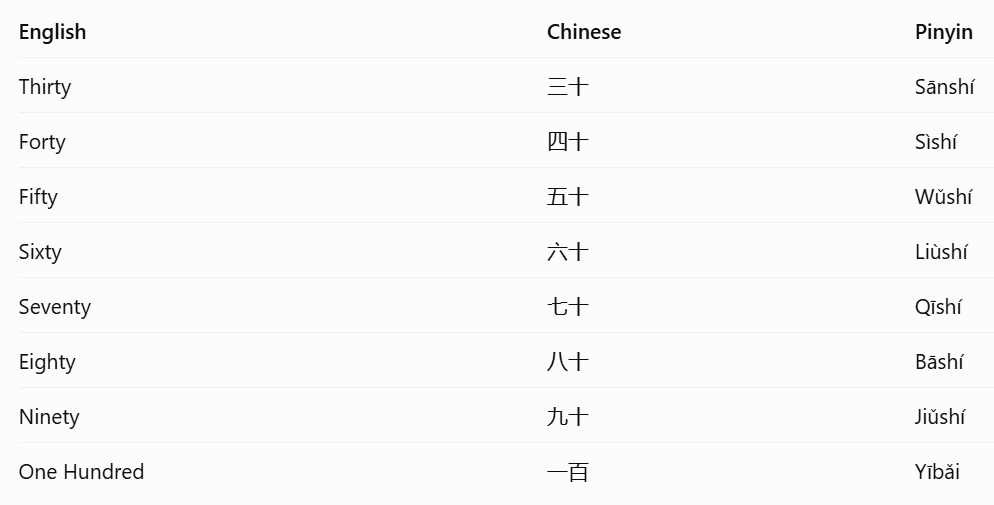
The Chinese numbers between 30 and 100 are easy to learn as long as you have mastered the basics of how to count. To form a number, simply take the name of the ten digit (san, shi, wu, etc.) and then add the last single digit (yi, er, san, etc.).
For example, 35 is written as 三十五 (Sānshíwǔ) in Chinese; this translates into English as “thirty plus five.” In addition, 48 is represented by 四十八 (Sìshíbā).
Chinese Numbers from 100 to 1000
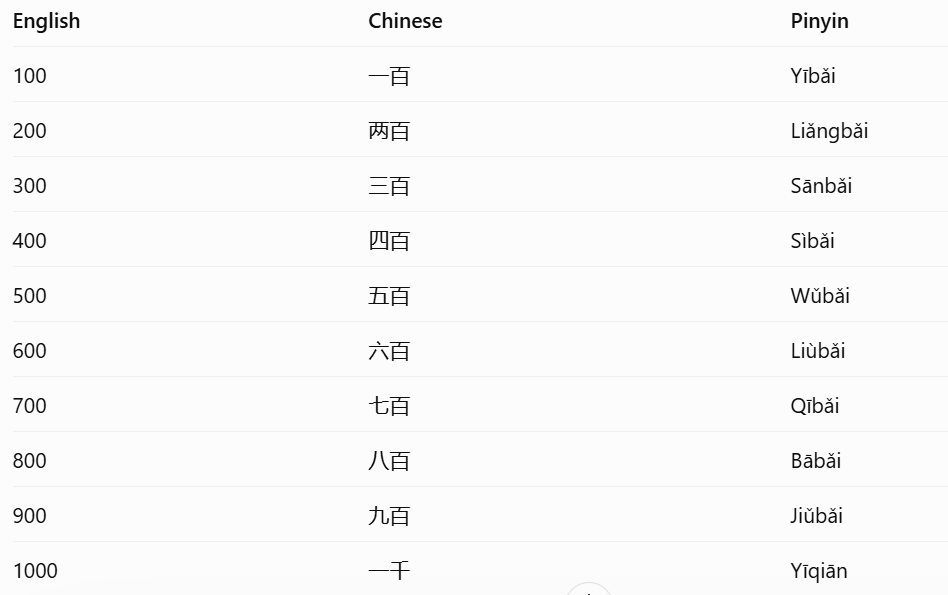
When you know what numbers are like up to 100, it’s simpler to learn bigger numbers. In Chinese, they use “hundreds” as 百 (Bǎi) and “thousands” as 千 (Qiān).
Be aware that Chinese will often use “Liǎng” rather than “Èr” when referring to numbers that are being used as a counter for large values such as hundreds or thousands.
Why Are Chinese Numbers Important?
The use of Chinese numbers in nearly all types of daily communications makes it necessary for you to learn them. For example, you will use numbers to shop, tell the time, discuss how much something costs, share phone numbers with others, count items, and discuss dates.
Learning to understand the use of numbers in Chinese will help provide a solid base for students to learn more complex vocabulary and grammatical rules. Additionally, learning some of the basics of Chinese number usage will allow students to communicate better with others in China when they order food, purchase tickets, or inquire about price.
Tips to Learn Chinese Numbers Easily
Here are some simple tips to improve your understanding of Chinese numbers:
Practice daily: Spend 10–15 minutes learning and repeating Chinese numbers.
Learn Chinese characters: Learn the characters and their English translations.
Practice pronunciation: Use Pinyin to understand how each number is pronounced.
Listen to people who speak the language: If you listen to native Mandarin speakers, it will help you pronounce words better.
Use flashcards: Create flashcards to remember Chinese numbers quickly.
Count everyday things: practice counting things like books, pens, fruit etc. in Chinese.
Regular practice can help you recall numbers and utilize those numbers with confidence when speaking with others.
Conclusion
One of the simplest, yet most effective methods to begin learning Mandarin Chinese is by studying the Chinese number system. Whether it’s the simpler numbers like 一 (Yī) and 二 (Èr), or the much bigger ones like 一百 (Yībǎi) and 一千 (Yīqiān), knowing how to count in Chinese allows you to communicate with others better. Daily practice of Chinese character writing, Pinyin, and pronunciation will gradually increase your overall ability in the language. Begin with the numbers from 1 to 10 and then move on to higher numbers once you feel more comfortable.