
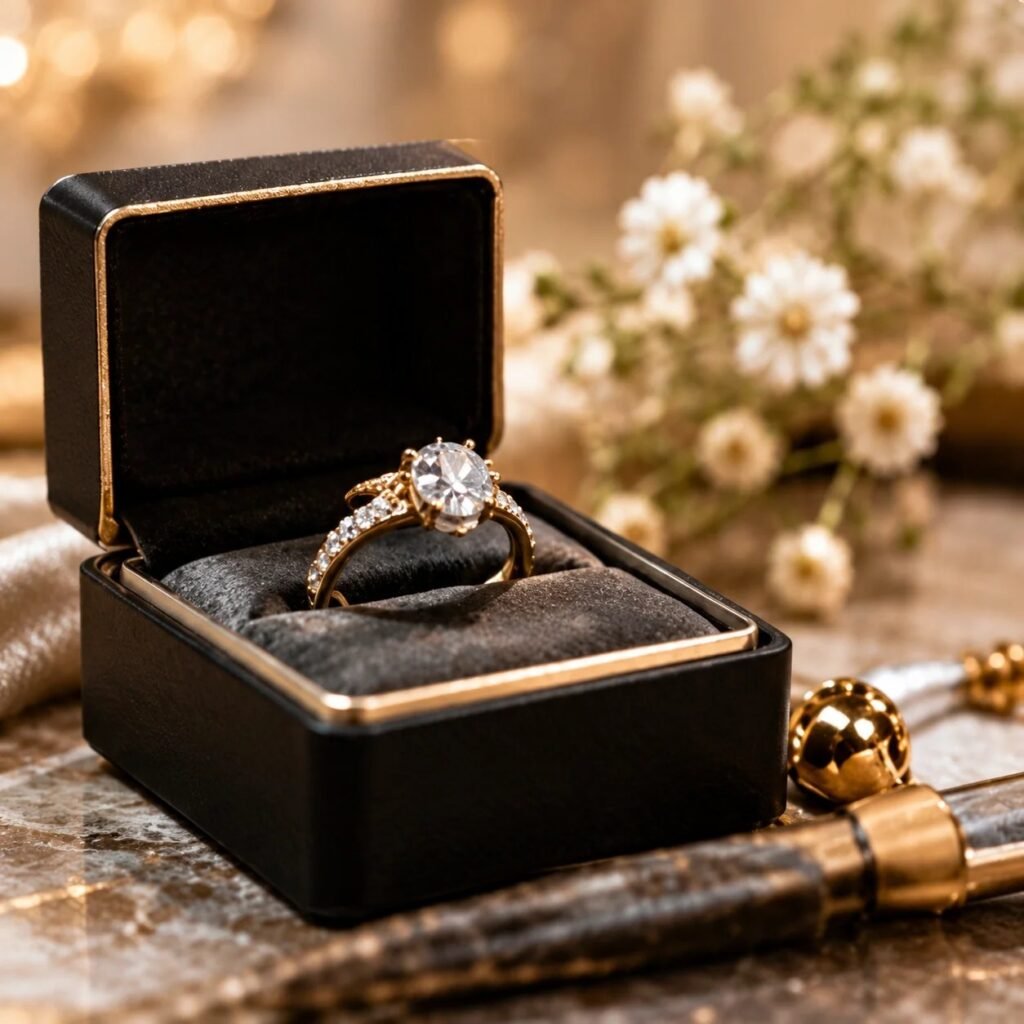
Diamonds have always been associated with elegance, beauty and special moments. Whether you are choosing an engagement ring, buying an anniversary gift or adding something special to your jewellery collection, finding the right diamond is an important decision. Today, lab grown diamonds are becoming an increasingly popular option for jewellery buyers looking for exceptional sparkle, attractive designs and more affordable choices.
London offers a diverse jewellery market, with options ranging from traditional diamond retailers to contemporary jewellery specialists. As more people explore alternatives to mined diamonds, understanding the quality, appearance and value of laboratory-grown stones has become increasingly important.
At Gold Centre Fulham, we specialise in gold and silver jewellery, diamonds, watches and pre-owned designer watches. We understand that choosing diamond jewellery involves careful consideration of quality, design and budget. If you are researching lab grown diamonds London, this guide will help you understand how these diamonds are created, what makes them different and what to consider before purchasing.
What Are Lab Grown Diamonds?
Lab grown diamonds are diamonds created in specialised laboratory environments using advanced technology. Unlike natural diamonds, which form underground over geological periods, laboratory-grown diamonds are produced under controlled conditions.
They have essentially the same chemical composition, crystal structure and optical properties as natural diamonds. Both are made from crystalline carbon and can display the same brilliance, fire and sparkle.
There are two main methods used to create laboratory-grown diamonds.
1. High Pressure High Temperature (HPHT)
The HPHT method recreates the high-pressure and high-temperature conditions associated with natural diamond formation.
Carbon is exposed to extreme pressure and heat, allowing diamond crystals to develop around a seed material.
2. Chemical Vapour Deposition (CVD)
CVD uses a specialised chamber containing carbon-rich gas. Under controlled conditions, carbon atoms gradually form layers of diamond crystal on a diamond seed.
Both methods produce genuine diamonds that can be cut, polished and used in fine jewellery.
Why Are More People Searching for Lab Grown Diamonds in London?
Interest in laboratory-grown diamonds has increased as jewellery buyers become more aware of their availability and characteristics.
Here are some of the main reasons people consider them.
More Affordable Diamond Options
One of the biggest attractions is price. Lab grown diamonds generally cost less than natural diamonds with comparable characteristics.
This can give buyers more flexibility when choosing diamond jewellery. For example, someone with a particular engagement ring budget may be able to explore a larger centre stone or a more elaborate setting.
The Same Fundamental Diamond Properties
Lab grown diamonds have essentially the same physical, chemical and optical properties as natural diamonds.
Their brilliance depends on characteristics such as cut, proportions and polish. A well-cut laboratory-grown diamond can offer impressive sparkle and a beautiful appearance.
A Wide Variety of Choices
Laboratory-grown diamonds are available in different shapes, sizes and qualities.
Popular diamond shapes include:
- Round brilliant
- Oval
- Princess
- Emerald
- Pear
- Cushion
- Radiant
This variety makes them suitable for different jewellery designs and personal preferences.
An Alternative to Mined Diamonds
Some buyers prefer laboratory-grown diamonds because they want an alternative to traditional diamond mining.
However, laboratory production also uses energy and resources. Environmental benefits depend on production methods, electricity sources and supply chains. It is worth checking specific sustainability information before making assumptions about environmental impact.
Lab Grown Diamonds vs Natural Diamonds: Understanding the Difference
One of the most common questions jewellery buyers ask is whether laboratory-grown diamonds are different from natural diamonds.
The main difference is their origin rather than their fundamental diamond properties.
| Feature | Lab Grown Diamonds | Natural Diamonds |
| Formation | Created in laboratories | Formed underground naturally |
| Composition | Crystalline carbon | Crystalline carbon |
| Appearance | Same fundamental optical properties | Same fundamental optical properties |
| Price | Generally more affordable | Generally more expensive |
| Availability | Produced using technology | Limited by natural supply |
| Resale value | Generally lower | Depends on quality and market demand |
Both options have their own appeal. Lab grown diamonds can be attractive to people who prioritise appearance and affordability, while natural diamonds may appeal to those who value natural origin and rarity.
It is also important to remember that neither type should automatically be considered a financial investment.
Understanding the 4Cs Before Buying Lab Grown Diamonds
Whether you are purchasing a diamond ring, pendant or pair of earrings, understanding diamond quality can help you make a more confident decision.
The 4Cs are cut, colour, clarity and carat.
Cut: What Creates Diamond Sparkle?
Cut influences how effectively a diamond reflects and disperses light.
A well-cut diamond can appear brighter and more brilliant than a poorly cut stone of the same carat weight.
If sparkle is important to you, pay particular attention to cut quality.
Colour: Choosing the Right Diamond Shade
Diamond colour is commonly graded from D to Z.
- D, E and F represent colourless grades.
- G, H, I and J fall within the near-colourless range.
- Lower grades may display more noticeable colour.
The best choice depends on your preferred appearance, the metal setting and your budget.
Clarity: Understanding Diamond Characteristics
Clarity refers to natural internal inclusions and external blemishes.
Some inclusions are difficult to notice without magnification. Therefore, a diamond does not always need the highest clarity grade to look beautiful.
Carat: Finding Your Preferred Size
Carat measures a diamond’s weight rather than its exact physical dimensions.
A higher carat weight generally means a larger stone, but the shape and proportions also influence how large a diamond appears.
Comparing diamonds in person can help you understand these differences.
Popular Jewellery Styles Featuring Lab Grown Diamonds
Lab grown diamonds are used in a wide range of jewellery designs. Their versatility makes them suitable for everyday accessories as well as special occasions.
Diamond Engagement Rings
Engagement rings are among the most popular diamond jewellery purchases.
Solitaire, halo and three-stone designs are particularly popular. Each offers a different appearance, allowing couples to choose something that reflects their relationship and personal style.
Diamond Earrings
Diamond stud earrings are a timeless jewellery choice. They are easy to wear, suit different outfits and make thoughtful gifts.
Other popular designs include diamond hoops, drop earrings and decorative halo settings.
Diamond Necklaces and Pendants
A diamond pendant can add a subtle touch of elegance to everyday clothing.
Solitaire pendants are popular for their simple appearance, while diamond tennis necklaces offer a more noticeable design for special occasions.
Diamond Bracelets
Diamond bracelets combine sophistication with versatility.
Tennis bracelets are especially popular because they feature a continuous line of diamonds. They can be worn independently or alongside other jewellery.
How to Choose Quality Lab Grown Diamonds in London
When exploring lab grown diamonds London retailers offer, it is important to compare more than just the advertised price.
Here are some practical buying considerations.
Check Independent Diamond Grading
Ask whether the diamond comes with an independent grading report from a recognised gemmological laboratory, such as IGI or GIA.
Review the report to understand the stone’s characteristics and confirm that its laboratory-grown origin is clearly disclosed.
Compare Diamond Prices
Two diamonds with the same carat weight can have different prices because of differences in cut, colour, clarity and overall appearance.
Compare the complete specifications rather than choosing the cheapest option.
Choose a Suitable Jewellery Setting
The setting affects both appearance and practicality.
Yellow gold creates a traditional look, while white gold offers a contemporary finish. Rose gold provides a distinctive warm tone, and platinum is another popular precious-metal option.
Consider the Retailer’s Reputation
A reliable jewellery retailer should provide clear product descriptions and explain the diamond’s origin, grading information and setting materials.
Before purchasing, also check:
- Return and exchange policies.
- Jewellery repair and aftercare services.
- Warranty information.
- Diamond grading documentation.
- Overall craftsmanship and finishing.
Taking time to understand these details can help you avoid unnecessary surprises.
Why Consider Gold Centre Fulham for Diamond Jewellery?
At Gold Centre Fulham, we specialise in gold and silver jewellery, diamonds, watches and pre-owned designer watches.
We understand that jewellery purchases are often connected to important occasions and personal memories. Whether you are searching for an elegant diamond piece, exploring different jewellery styles or considering a designer watch, choosing quality and understanding what you are buying are important.
Our focus on different areas of fine jewellery makes Gold Centre Fulham a business worth considering when exploring jewellery options.
For customers in Harrow, Middlesex, and across London, comparing different diamond styles, precious metals and jewellery designs can help make the shopping experience more rewarding.
If you are considering laboratory-grown diamonds, ask about their origin, grading information and available jewellery options before making your decision.
How to Care for Your Diamond Jewellery
Proper care helps maintain the appearance of your diamond jewellery and protects the setting.
Follow these simple recommendations:
- Clean regularly: Use warm water, mild soap and a soft brush where appropriate for the jewellery setting.
- Avoid harsh chemicals: Remove jewellery before using strong cleaning products.
- Store separately: Keep diamond jewellery in separate compartments to prevent scratches to other pieces.
- Check the settings: Arrange occasional inspections to ensure stones and clasps remain secure.
- Remove jewellery during physical activities: This helps reduce the risk of accidental knocks or damage.
Although diamonds are extremely hard, the metal setting can still become damaged through everyday wear.
Conclusion: Explore Lab Grown Diamonds London Has to Offer
Lab grown diamonds have introduced more choices into the modern jewellery market. With the same fundamental diamond properties as natural stones, a wide range of designs and generally more accessible prices, they offer an appealing alternative for many jewellery buyers.
Whether you are looking for an engagement ring, elegant earrings, a diamond pendant or a beautiful bracelet, understanding diamond quality and comparing different designs will help you make the right choice.
If you are researching lab grown diamonds London, Gold Centre Fulham offers a range of jewellery specialities, including diamonds, gold and silver jewellery and watches.
Take your time, explore different styles and choose jewellery that reflects your personality and makes every special occasion memorable.
Frequently Asked Questions (FAQs)
1. Are lab grown diamonds real diamonds?
Yes. Lab grown diamonds are genuine diamonds with essentially the same chemical composition, crystal structure and optical properties as natural diamonds. Their main difference is how they are formed.
2. Are lab grown diamonds cheaper than natural diamonds in London?
Generally, yes. Lab grown diamonds usually cost less than natural diamonds with comparable characteristics. The final price depends on carat weight, cut, colour, clarity and jewellery design.
3. Can you tell the difference between lab grown and natural diamonds?
They are generally indistinguishable to the naked eye. Specialist gemmological equipment and testing can identify their different origins.
4. Do lab grown diamonds lose their sparkle?
No. Lab grown diamonds do not naturally lose their brilliance over time. However, everyday dirt, oils and residue can affect their appearance. Regular cleaning helps maintain their sparkle.
5. Are lab grown diamonds suitable for engagement rings?
Absolutely. They can be used in all popular engagement ring styles, including solitaire, halo and three-stone settings. They offer couples another option when balancing diamond quality, appearance and budget.