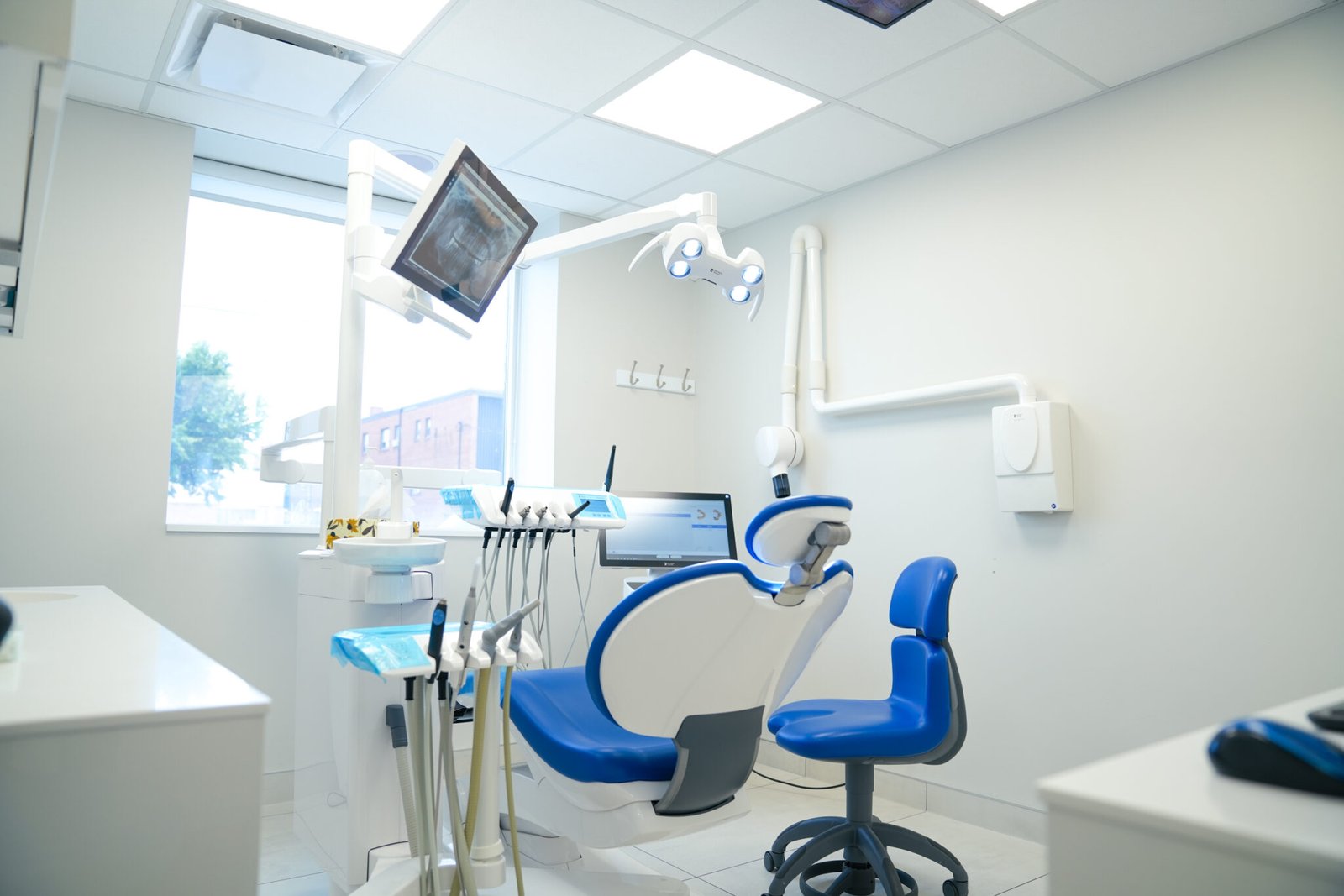
Root Canal Therapy in NW Calgary is an important dental treatment that can help preserve a natural tooth affected by deep decay, infection, or injury. When bacteria reach the soft tissue inside a tooth, known as the dental pulp, they can cause inflammation, discomfort, and infection. Root canal treatment removes the affected tissue, cleans the inside of the tooth, and seals it to help prevent further infection.
Rather than removing an infected tooth immediately, a root canal may provide an opportunity to save it and maintain normal chewing function. Bow River Dental Centre is a dental practice patients can contact to ask about root canal treatment options and professional assessment for tooth pain or infection.
What Is Root Canal Therapy?
Root canal therapy is an endodontic procedure that treats problems affecting the pulp inside a tooth. The pulp contains nerves, blood vessels, and connective tissue. It plays an important role during tooth development, but a fully developed tooth can continue functioning after the pulp has been removed.
When the pulp becomes infected or severely inflamed, treatment may be necessary to prevent the condition from worsening.
During a root canal procedure, a dental professional generally:
- Examines the affected tooth and reviews dental images when necessary.
- Administers local anaesthesia to improve comfort.
- Creates an opening to access the pulp chamber.
- Removes infected or inflamed pulp tissue.
- Cleans and shapes the root canals.
- Fills and seals the cleaned canals.
- Restores the tooth with an appropriate filling or crown when needed.
The exact procedure depends on the tooth’s condition and the complexity of its root canal system.
Common Signs You May Need a Root Canal
Not every toothache requires root canal therapy, but certain symptoms may indicate damage or infection inside a tooth.
Watch for these warning signs:
1. Persistent Toothache
Ongoing tooth pain, especially when it interferes with eating or sleeping, may indicate inflammation or infection within the tooth.
2. Sensitivity to Hot and Cold
Sensitivity that lingers after consuming hot or cold food and drinks may suggest irritation or damage to the dental pulp.
3. Pain When Biting
Discomfort when chewing or applying pressure to a particular tooth can be associated with inflammation around the root or other dental problems.
4. Swollen or Tender Gums
Swelling near an affected tooth may indicate an infection around its root. In some cases, a small pimple-like bump may appear on the gums.
5. Tooth Discolouration
A tooth that becomes noticeably darker than surrounding teeth may have experienced internal damage or pulp changes.
These symptoms do not automatically mean a root canal is required. A dental examination and appropriate diagnostic tests are necessary to identify the cause.
What Causes Tooth Pulp Infection?
Several dental problems can allow bacteria to reach the inner pulp of a tooth.
Common causes include:
- Deep tooth decay: Untreated cavities can gradually extend through the enamel and dentin.
- Dental injuries: Cracks, fractures, or trauma may expose or damage the pulp.
- Repeated dental procedures: Multiple treatments on the same tooth can sometimes irritate the pulp.
- Cracked teeth: Small cracks may allow bacteria to enter the inner structures.
- Advanced dental damage: Extensive structural damage can compromise the tooth’s internal tissues.
Regular examinations and timely treatment of cavities can help reduce the likelihood of more serious problems.
Benefits of Root Canal Treatment
For suitable patients, root canal therapy offers several important benefits.
Preserves the Natural Tooth
Saving a natural tooth can help maintain the existing bite and avoid the need for immediate extraction and replacement.
Addresses Infection
Removing infected pulp tissue and cleaning the root canal system helps eliminate the source of infection inside the tooth.
Restores Chewing Function
After appropriate restoration, the treated tooth can continue contributing to normal chewing and everyday activities.
Helps Prevent Further Complications
Treating an infected tooth may help prevent the infection from spreading into surrounding tissues.
Maintains Natural Smile Appearance
Keeping the natural tooth can help preserve the appearance and alignment of surrounding teeth.
However, treatment success depends on factors such as the extent of damage, the quality of the restoration, and ongoing oral hygiene.
What Happens After Root Canal Therapy?
Some tenderness or mild discomfort may occur after treatment, particularly when biting. This usually improves as the surrounding tissues recover.
Your dental professional may recommend:
- Following post-treatment instructions carefully.
- Avoiding hard or sticky foods until the tooth is properly restored.
- Taking recommended medication as directed.
- Maintaining regular brushing and flossing.
- Attending follow-up appointments when advised.
- Having a permanent restoration placed if required.
A crown may be recommended for teeth that have lost significant structure, particularly back teeth that experience greater chewing forces. The need for a crown depends on the individual tooth.
Is Root Canal Therapy Better Than Tooth Extraction?
The choice between root canal treatment and extraction depends on whether the tooth can be restored safely and predictably.
Root canal therapy may be appropriate when enough healthy tooth structure remains to support a restoration. Extraction may be considered when the tooth is severely fractured, extensively damaged, or cannot be restored.
If a tooth is removed, replacement options may include a dental implant, bridge, or removable partial denture. Each option has different benefits, costs, and treatment requirements.
Discussing these alternatives with a dental professional can help you make an informed decision.
Root Canal Therapy at Bow River Dental Centre
Patients searching for Root Canal Therapy in NW Calgary may want to understand their treatment options before making a decision. Bow River Dental Centre is a dental practice patients can contact to ask about tooth pain assessments, root canal treatment availability, and restorative options.
A dental professional can examine the affected tooth, review appropriate diagnostic images, and determine whether root canal therapy is suitable. Patients can also discuss treatment stages, expected recovery, restoration requirements, and possible alternatives.
If you experience severe dental pain, facial swelling, or signs of infection, seek prompt professional assessment. Difficulty breathing or swallowing, rapidly spreading swelling, or other serious symptoms require emergency medical attention.
Protect Your Natural Teeth With Timely Dental Care
Root canal therapy can help preserve teeth affected by deep decay, infection, or injury when the tooth remains suitable for restoration. Recognizing symptoms early and arranging a dental examination can help prevent complications and support better long-term oral health.
If you are considering Root Canal Therapy in NW Calgary, contact Bow River Dental Centre to ask about available treatment options and arrange a professional assessment. Timely care can make an important difference in protecting your natural smile.