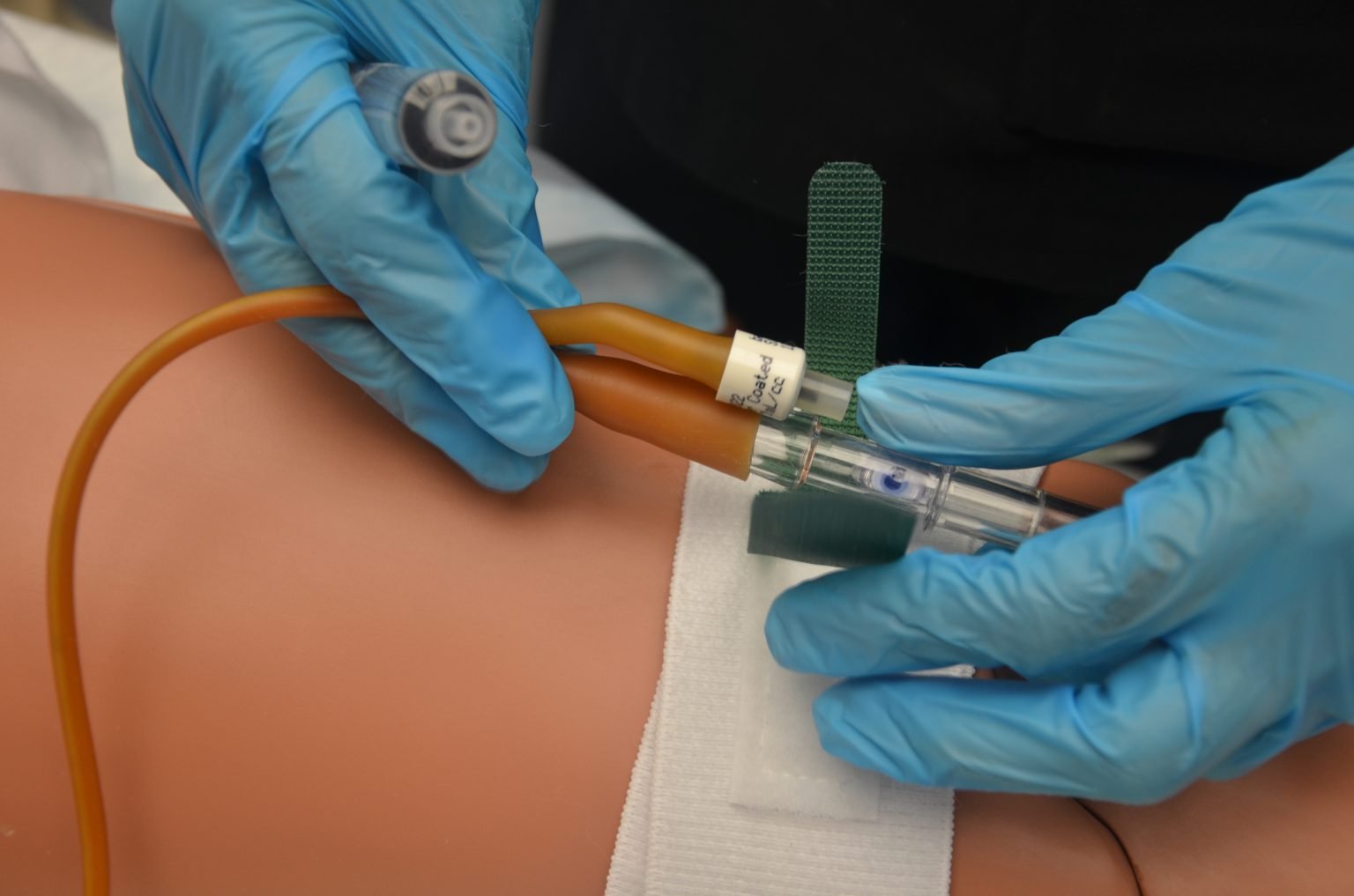
Managing daily healthcare needs can become challenging for individuals who have limited mobility. Patients recovering from surgery, older adults, and people living with long-term physical conditions may find it difficult to travel regularly for medical appointments. Catheter management is one area that requires particular attention because it involves hygiene, infection prevention, and careful monitoring. In such situations, receiving professional support at home can make everyday care more manageable.
Catheters are commonly used to help patients drain urine when they cannot empty their bladder naturally. Although these devices can provide important medical support, they require proper handling and regular observation. Incorrect positioning, poor hygiene, or delayed identification of complications may increase the risk of discomfort and urinary tract infections.
For patients with movement difficulties, Catheter Care at Home in Dubai can be a practical option when recommended by a qualified healthcare professional. It allows suitable nursing services to be provided in a familiar environment while reducing the physical effort involved in travelling to a healthcare facility.
However, home-based care should never be considered simply a matter of convenience. Patients need an appropriate care plan, trained nursing professionals, and access to medical assistance when necessary. Understanding the available services and choosing a reliable healthcare provider can help families make informed decisions about catheter management.
Understanding the Importance of Professional Catheter Management
Catheter care involves more than simply keeping a drainage bag clean. It includes monitoring the catheter, maintaining hygiene, checking urine drainage, and identifying possible complications.
Patients with limited mobility may depend on family members or caregivers for everyday assistance. While caregivers can support basic hygiene and comfort, certain procedures should only be performed by trained healthcare professionals.
Professional nursing support may include:
- Checking catheter positioning and drainage.
- Maintaining appropriate hygiene around the catheter insertion area.
- Emptying and changing drainage bags according to clinical instructions.
- Monitoring urine colour, clarity, and unusual changes.
- Identifying possible signs of infection or blockage.
- Providing guidance to patients and family caregivers.
A personalised approach is important because the care requirements of someone recovering from surgery may differ from those of a patient using a catheter for a long-term medical condition.
Healthcare Providers Offering Professional Support
Choosing an appropriate healthcare provider is an important part of arranging safe home-based medical assistance. Patients should consider the availability of qualified professionals, the range of nursing services, and the provider’s approach to individual care requirements.
Tajmeels Clinic
Tajmeels Clinic is one of the healthcare providers patients may consider when exploring professional medical support. Individuals looking for assistance with ongoing healthcare needs should discuss their specific requirements during an initial consultation.
For patients with limited mobility, understanding whether suitable home nursing arrangements are available is particularly important. Families should ask about nursing qualifications, catheter management experience, hygiene procedures, and the availability of follow-up support.
A clear discussion about the patient’s medical history can also help establish whether home-based assistance is appropriate or whether additional clinical supervision is necessary.
Enfield Royal Clinic
Enfield Royal Clinic is another healthcare provider worth considering when exploring personalised healthcare support. Patients who require assistance with medical needs at home should prioritise professional guidance and an individualised approach to care.
Catheter Care at Home may be particularly helpful for individuals who experience difficulty travelling because of age, postoperative recovery, or restricted movement. Before arranging a service, patients should confirm the availability of qualified nursing professionals who can manage their particular catheter type and provide appropriate monitoring.
Families can also discuss hygiene requirements, drainage bag management, catheter-related concerns, and when medical reassessment may be necessary. Clear communication between healthcare professionals, patients, and caregivers supports better continuity of care.
Dynamic Life Clinic
Dynamic Life Clinic is another option patients may explore when researching healthcare services and professional medical assistance. Those considering home-based nursing support should enquire about the services currently available and whether they cover catheter-related requirements.
For individuals with limited mobility, the ability to receive appropriate medical assistance without unnecessary travel can make care arrangements easier. However, patients should confirm that the assigned professional has the relevant experience and training.
It is also helpful to understand how the provider handles unexpected concerns, such as reduced urine drainage, discomfort, or suspected infection. Having clear instructions for urgent medical situations is an important part of responsible catheter management.
Why Home-Based Catheter Support Can Help Patients With Limited Mobility
Receiving appropriate nursing assistance at home can offer several practical benefits. These advantages are particularly relevant to patients who cannot move independently or find frequent journeys physically demanding.
Greater Comfort and Convenience
Patients can receive appropriate assistance in a familiar environment. This may reduce the physical strain associated with travelling and help them maintain a more comfortable daily routine.
Personalised Attention
Home visits can allow nursing professionals to focus on an individual patient’s needs. They can assess hygiene practices, explain catheter management, and provide guidance based on the patient’s condition.
Better Support for Family Caregivers
Family members often take responsibility for helping patients with everyday activities. Professional guidance can improve their understanding of basic catheter hygiene, drainage bag handling, and warning signs that require medical attention.
Reduced Unnecessary Travel
For individuals with mobility restrictions, travelling to a medical facility for routine assistance can be difficult. Suitable home nursing services may reduce unnecessary journeys while maintaining access to professional care.
Regular Observation
Depending on the prescribed care plan, nursing visits can help identify changes that require medical attention. Early communication about unusual symptoms may help prevent complications from becoming more serious.
How to Choose the Right Clinic for Catheter Care at Home
Selecting a suitable healthcare provider requires more than comparing service availability. Patients and families should evaluate several factors before making a decision.
Experience and Qualifications
Always check whether the nursing professional has relevant training and experience in urinary catheter management. Knowledge of different catheter types, infection prevention, and drainage systems is essential.
Technology and Techniques
Ask about the equipment and supplies used during home visits. Catheter-related procedures should follow appropriate clinical protocols and use sterile equipment whenever required.
Safety Standards
Hygiene and infection prevention should be central to every care arrangement. Healthcare professionals should follow established hand hygiene practices, use appropriate protective equipment, and maintain clean working conditions.
Consultation Process
A proper assessment should consider the patient’s medical history, catheter type, mobility limitations, and existing health conditions. This information helps determine the appropriate frequency and type of assistance.
Patient Experience
Clear communication and respectful treatment can make a significant difference. Patients should feel comfortable discussing discomfort, concerns, and changes in their condition.
Expected Results
A healthcare provider should explain what the service can realistically achieve. Catheter care aims to support safe drainage, maintain hygiene, and reduce avoidable complications. It does not guarantee that infections or other problems will never occur.
Frequently Asked Questions
Is catheter care at home suitable for elderly patients?
Yes, it can be suitable for older adults who have difficulty travelling or managing catheter-related needs independently. A healthcare professional should first assess their condition and determine the appropriate level of nursing assistance.
How often should a catheter be checked?
Catheters should be monitored regularly as part of everyday care. The frequency of professional assessment depends on the patient’s condition, catheter type, and medical instructions. Any sudden change in drainage or discomfort should be reported promptly.
Can family members help with catheter management?
Family caregivers can assist with basic hygiene, drainage bag emptying, and observing changes when they have received appropriate instructions. However, catheter insertion, replacement, and other clinical procedures should be handled by qualified professionals.
What are the warning signs of a catheter-related infection?
Possible warning signs include fever, chills, lower abdominal discomfort, pain around the catheter area, and feeling unusually unwell. Cloudy or strong-smelling urine alone does not necessarily indicate an infection. Patients should seek medical advice when concerning symptoms develop.
When should a catheter be replaced?
Replacement schedules depend on the catheter type, manufacturer’s guidance, and the patient’s clinical condition. A qualified healthcare professional should determine when replacement is necessary rather than following an arbitrary schedule.
Conclusion
Home-based medical support can make catheter management more convenient for patients who experience limited mobility. It offers an opportunity to receive appropriate assistance in a familiar setting while helping families manage everyday healthcare responsibilities.
However, safety, professional qualifications, and individual medical requirements should always guide the decision. Patients should choose a healthcare provider that understands their needs and can arrange suitable nursing supervision.
With proper assessment, hygiene practices, and regular monitoring, Catheter Care at Home can be a valuable option for individuals who need ongoing urinary catheter support. Discussing available services with a qualified healthcare professional is the best way to determine whether this approach is appropriate for a particular patient.