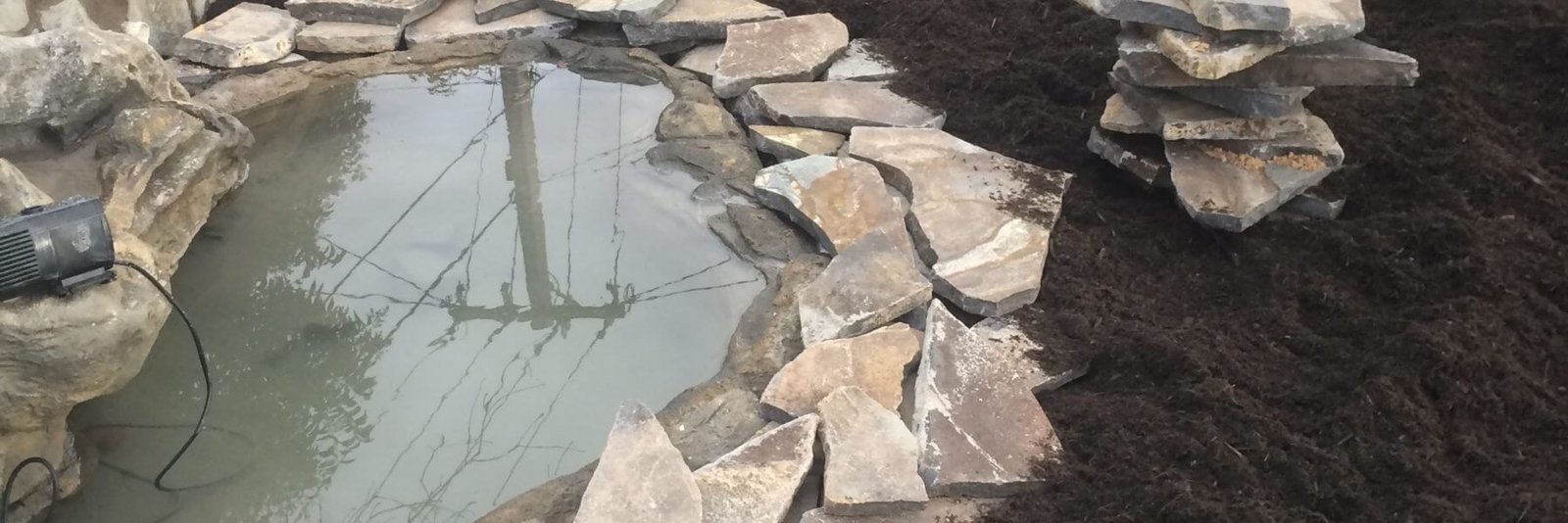
A well-designed outdoor area can make a property more attractive, practical and enjoyable. Whether it is a residential garden, a commercial entrance or an outdoor entertainment space, careful planning helps bring every element together. A good Landscaping plan considers the property’s layout, ground conditions, drainage, paving materials and the way people will use the space. In Australia, where outdoor living is an important part of many lifestyles, thoughtful landscaping can make a noticeable difference to both appearance and functionality.
Why Is a Landscaping Plan Important?
Starting a landscaping project without a clear plan can lead to unnecessary costs, poor material choices and design problems. Planning helps property owners understand what needs to be done before construction begins.
It also makes it easier to coordinate different elements, including pathways, driveways, garden beds, retaining walls, patios and outdoor seating areas.
For residential properties, a practical layout can create more usable outdoor space. Commercial properties can benefit from well-organised entrances, accessible pathways and attractive paved areas that provide a welcoming first impression.
Assessing the Property Before Starting
Every successful landscaping project begins with understanding the site. Before choosing materials or finalising a design, consider the property’s size, existing features and ground conditions.
Important factors include:
- Available outdoor space and property boundaries
- Existing trees, plants and garden structures
- Soil condition and ground stability
- Natural slopes and water drainage
- Sunlight exposure and shaded areas
- Access points for pedestrians and vehicles
These details help determine which landscaping features are suitable. For example, a sloping garden may require retaining walls or terraced sections, while an area with drainage issues may need additional groundwork before paving is installed.
Choosing the Right Paving Materials
Paving is an important part of many outdoor landscaping projects. It provides stable surfaces for walking, parking and entertaining while helping define different sections of a property.
However, not every paving material suits every application. The right choice depends on the intended use, appearance, maintenance requirements and local conditions.
Concrete Pavers
Concrete pavers are a popular option for driveways, pathways and patios. They are available in different shapes, sizes, colours and finishes, making them suitable for various landscape designs.
Clay Pavers
Clay pavers offer a traditional appearance and can complement both modern and older properties. Their natural colours can create attractive outdoor surfaces for pathways and garden areas.
Natural Stone Pavers
Natural stone provides a distinctive finish, with variations in colour and texture. Materials such as sandstone and granite can add character to patios, pool surrounds and garden pathways.
Cobblestone Pavers
Cobblestones are often selected for decorative driveways, garden borders and feature areas. Their traditional appearance can create an attractive contrast with contemporary landscaping.
Permeable Pavers
Permeable paving systems allow water to pass through the surface into an appropriate underlying drainage or storage layer. They can be useful where managing surface water runoff is an important design consideration.
Creating Functional Driveways and Pathways
Driveways and pathways should be considered early in the design process because they influence how people move around a property.
A driveway needs to accommodate vehicle access, turning space and parking requirements. Its surface must also be suitable for the expected traffic and loading conditions.
Pathways should provide convenient connections between entrances, gardens, patios and other outdoor areas. Their width, surface texture and layout should support comfortable movement.
For properties with different levels, steps, ramps or retaining structures may also need to be incorporated into the design.
The Importance of Proper Ground Preparation
Even attractive paving can develop problems if the ground underneath has not been prepared correctly. Proper excavation and base preparation are essential parts of a durable paving installation.
The process generally involves removing unsuitable material, establishing the required levels and preparing a suitable foundation.
The base layer must be appropriate for the soil conditions and expected use. Correct compaction helps create a stable surface and reduces the risk of future movement.
Drainage also needs careful attention. Water should be directed away from buildings and other vulnerable areas through suitable falls and drainage provisions.
Skipping these preparation stages can contribute to uneven pavers, sinking sections and water pooling.
Incorporating Gardens and Outdoor Living Areas
A landscaping project should balance hard surfaces with greenery. Combining paved areas with lawns, garden beds and suitable plants creates a more welcoming outdoor environment.
For example, a paved patio can provide space for outdoor dining, while surrounding garden beds soften the appearance of the area. Defined pathways can connect different sections without making the garden feel crowded.
When selecting plants, consider the local climate, available sunlight, soil conditions and ongoing maintenance requirements. Native and climate-suitable plants may be useful options for creating gardens that are better adapted to local conditions.
Outdoor lighting, seating and garden edging can further improve the overall design.
Common Paving Problems and Maintenance
Paved surfaces need regular inspection to remain safe and functional. Some common issues include loose pavers, uneven sections, cracked units, weed growth and blocked drainage joints.
These problems may develop because of ground movement, inadequate foundations, water penetration or general wear.
Routine maintenance can help identify minor issues before they become more difficult to address. Sweeping, removing weeds, checking joints and keeping drainage channels clear are useful maintenance practices.
Where pavers become loose or uneven, the underlying cause should be investigated rather than simply repositioning the affected units. Repairing the foundation may be necessary to prevent the problem from returning.
Working With Experienced Landscaping Professionals
Professional planning and installation can help bring different outdoor elements together. Experienced contractors can assess site conditions, recommend suitable paving materials and identify potential drainage or access problems before construction starts.
It is also important to discuss project scope, material specifications, preparation work and maintenance expectations before work begins.
For Australian property owners exploring outdoor improvements, businesses such as JPB Group provide landscaping-related services and can be considered when researching suitable solutions. Visiting https://www.jpb-group.net/ can offer further information about landscaping services and outdoor project options.
Conclusion
A successful landscaping project involves more than choosing attractive plants or paving materials. It requires a practical design that considers ground conditions, drainage, accessibility, durability and long-term maintenance. A carefully developed Landscaping plan helps property owners make informed decisions and create outdoor spaces that suit their needs. By selecting appropriate materials, preparing the ground properly and considering how each area will be used, homeowners and businesses can develop outdoor environments that remain functional and appealing over time.