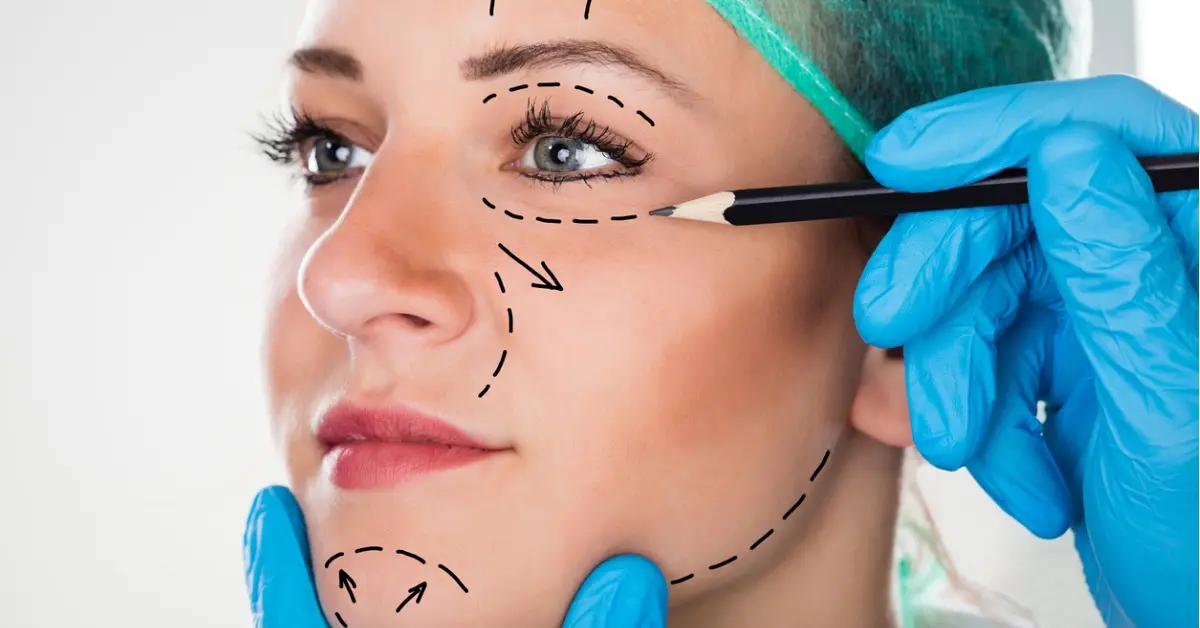
Facial ageing is a natural process that gradually changes the appearance of the skin, muscles and underlying tissues. Over time, the face may lose its youthful definition, while wrinkles, loose skin and deeper folds become more noticeable. These changes can affect areas such as the cheeks, jawline, chin and neck. Although skincare products and non-surgical treatments can help improve certain concerns, they may not provide the results some individuals want when significant skin laxity develops. This is where modern facial rejuvenation procedures can offer another option.
Facelift Dubai treatments are designed to address visible signs of ageing by improving facial contours and reducing sagging skin. The objective is not to change someone’s natural appearance but to create a more refreshed and balanced facial look. With advancements in cosmetic surgery techniques, patients can explore different approaches depending on their facial structure, skin condition and aesthetic goals.
Why Does the Face Lose Its Youthful Appearance?
Facial ageing happens because of several changes occurring beneath and on the surface of the skin. Collagen and elastin production naturally decreases with age, reducing the skin’s firmness and elasticity. Fat distribution also changes, which can make the cheeks appear less full while creating deeper folds around the mouth. Gravity contributes to the downward movement of facial tissues, making loose skin more noticeable around the lower face and jawline. Environmental factors can accelerate these changes. Prolonged sun exposure, smoking, pollution, poor sleep and lifestyle habits may contribute to premature skin ageing. Genetics also plays an important role in determining how quickly these changes appear. While some individuals notice early signs of ageing in their thirties, others may maintain firmer facial contours for much longer. Understanding the underlying causes helps patients make informed decisions about suitable facial rejuvenation options.
What Is a Facelift and How Does It Work?
A facelift, medically known as rhytidectomy, is a cosmetic surgical procedure intended to improve visible signs of ageing in the face and sometimes the neck. The procedure generally involves repositioning underlying facial tissues, addressing excess skin and refining facial contours. Unlike treatments that only target the skin’s surface, a surgical facelift can address deeper structural changes associated with facial ageing. Depending on the patient’s requirements, the surgeon may focus on the middle face, lower face, jawline or neck. Modern techniques often aim to preserve natural facial proportions rather than create an overly tight appearance. The exact surgical approach varies according to individual anatomy, the extent of skin laxity and the desired outcome. A detailed consultation is necessary to determine whether surgery is appropriate and which technique may provide the most suitable results.
Different Types of Facelift Procedures
Not every patient requires the same level of facial rejuvenation. Cosmetic surgeons may recommend different techniques depending on the areas that need improvement. A traditional facelift generally addresses more extensive signs of ageing in the lower and middle face, including loose skin, deeper folds and reduced jawline definition. A mini facelift is a less extensive surgical approach that may be appropriate for individuals with mild to moderate sagging, particularly around the lower face. A mid-facelift focuses primarily on the cheek area and aims to improve the appearance of descended facial tissues. A lower facelift targets concerns such as jowls, loose skin around the jawline and deeper lines near the mouth. A neck lift may also be performed alongside facial surgery when loose skin or muscle changes around the neck require attention. The choice depends on the patient’s facial anatomy, medical history and aesthetic expectations rather than age alone.
Who May Be a Suitable Candidate for Facial Rejuvenation?
A facelift may be considered by adults who are concerned about noticeable facial sagging, loose skin or reduced definition around the jawline. Individuals who maintain relatively good skin health but have developed deeper folds or jowls may benefit from discussing surgical options with a qualified specialist. However, being interested in cosmetic improvement does not automatically make someone a suitable candidate. Overall health, medical conditions, medications, smoking habits and previous cosmetic procedures must be considered. Patients should have realistic expectations and understand that surgery improves certain signs of ageing rather than stopping the natural ageing process. People with significant health conditions or factors that could interfere with healing may require additional assessment before surgery. A professional consultation helps establish whether a facelift is appropriate or whether a different treatment would better address the patient’s concerns.
How to Prepare for a Facelift Procedure
Proper preparation plays an important role in supporting a safe surgical experience and recovery. Before the procedure, the surgeon will evaluate the patient’s facial structure, skin quality, medical history and personal goals. Photographs may be taken to assess existing facial contours and assist with treatment planning. Patients should provide complete information about prescription medications, supplements, allergies and previous surgeries. Certain medications and supplements may need to be adjusted under medical guidance because they can affect bleeding or healing. Smoking should be stopped according to the surgeon’s instructions, as it can negatively affect circulation and recovery. Patients should also arrange transportation and assistance during the initial recovery period. Following preoperative instructions carefully helps reduce avoidable complications and ensures that the treatment plan is based on individual needs.
What Happens During the Facelift Surgery?
The procedure begins with appropriate anaesthesia, which may involve general anaesthesia or another medically suitable option depending on the surgical plan. The surgeon makes carefully planned incisions, commonly placed around the hairline and natural contours near the ears to help minimise the visibility of resulting scars. Through these incisions, underlying tissues can be repositioned, and excess skin may be removed where necessary. In certain techniques, deeper supportive layers are tightened to improve facial definition and provide a more natural-looking result. If the neck also requires improvement, additional adjustments may be incorporated into the surgical plan. The duration of surgery depends on the complexity of the procedure and whether other treatments are performed simultaneously. Once the planned corrections are completed, the incisions are closed, and appropriate dressings may be applied. Patients receive postoperative instructions to support healing and manage initial discomfort.
Recovery After a Facelift: What Should Patients Expect?
Recovery is an important part of the overall treatment journey. Swelling, bruising, tightness and temporary discomfort are common during the initial healing period. These effects generally improve gradually, although the recovery timeline varies between individuals. Patients are usually advised to rest, keep their head elevated and avoid strenuous physical activities during the early stages of healing. The surgeon may recommend specific wound-care instructions, medications and follow-up appointments to monitor progress. Returning to normal activities depends on the extent of surgery and individual recovery. Some patients may feel comfortable resuming light daily activities within a couple of weeks, while complete healing and the settling of final results can take considerably longer. It is important not to rush recovery or compare healing progress with other patients. Following medical advice and attending scheduled reviews helps identify potential concerns early.
Benefits of Choosing a Professional Facelift Approach
One of the main reasons people consider surgical facial rejuvenation is the opportunity to improve multiple ageing concerns through a single treatment plan. A facelift can help reduce loose skin, soften deeper facial folds and restore a more defined jawline. It may also improve the transition between the cheeks, lower face and neck when these areas are addressed together. Another important benefit is the potential for longer-lasting improvement compared with temporary cosmetic treatments. However, individual results vary, and the face continues to age naturally after surgery. A successful outcome depends on appropriate patient selection, surgical expertise, realistic expectations and proper aftercare. Choosing a qualified and experienced surgeon is therefore more important than selecting a procedure based solely on promotional offers or advertised results.
Are There Any Risks Associated With Facelift Surgery?
Like other surgical procedures, a facelift carries certain risks that patients should understand before making a decision. Potential complications include infection, bleeding, fluid accumulation, visible scarring, temporary or persistent changes in skin sensation and delayed wound healing. In some cases, patients may experience asymmetry, hairline changes or nerve-related complications. Anaesthesia also carries risks that depend on the patient’s health and medical circumstances. Although modern surgical techniques and appropriate clinical protocols help reduce complications, no cosmetic surgery can guarantee a completely risk-free outcome. Patients should openly discuss potential side effects, recovery expectations and available alternatives during their consultation. A responsible treatment decision should always prioritise health, safety and realistic expectations over cosmetic goals.
How to Maintain Your Results After Facial Surgery
Maintaining healthy skin and following a consistent lifestyle can support the appearance of the face after surgery. Daily sun protection is particularly important because ultraviolet exposure contributes to collagen breakdown and premature skin ageing. A suitable skincare routine, adequate hydration, balanced nutrition and sufficient sleep can also support overall skin health. Avoiding smoking may help preserve skin quality and circulation. Patients should continue attending recommended follow-up appointments and seek professional advice before introducing new cosmetic treatments. Non-surgical procedures may sometimes complement surgical results, but their suitability should be evaluated by the treating specialist. Although these habits cannot prevent natural ageing, they can contribute to healthier-looking skin over time.
Choosing the Right Clinic for Facelift Treatment in Dubai
Selecting an appropriate clinic is an essential step when considering facial cosmetic surgery. Patients should look beyond advertising and evaluate the qualifications, licensing and experience of the surgeon performing the procedure. It is equally important to understand the surgical technique being recommended, the expected recovery period and the potential risks involved. A professional consultation should provide sufficient time to discuss personal concerns, examine facial anatomy and establish realistic treatment goals. Patients can also ask about the clinical facilities, anaesthesia arrangements, postoperative monitoring and follow-up care. Reviewing genuine before-and-after photographs may help provide an understanding of a surgeon’s approach, although results cannot be guaranteed to be identical for every individual. Transparent communication and individualised treatment planning are important indicators of a patient-focused cosmetic care experience.
Final Thoughts on Facial Rejuvenation
A refreshed facial appearance does not necessarily mean changing the features that make someone unique. Modern facelift procedures aim to address age-related changes while maintaining natural facial proportions and individual characteristics. Understanding the available techniques, recovery requirements, benefits and possible risks allows patients to make more confident decisions about cosmetic surgery. Anyone considering Facelift Dubai should arrange a detailed assessment with a qualified medical professional before proceeding. Individual suitability, surgical planning and appropriate aftercare all contribute to the treatment journey. For those exploring professional facial rejuvenation options, Euromed Clinic Dubai provides an opportunity to discuss aesthetic concerns, understand available treatments and seek personalised guidance based on individual needs.