
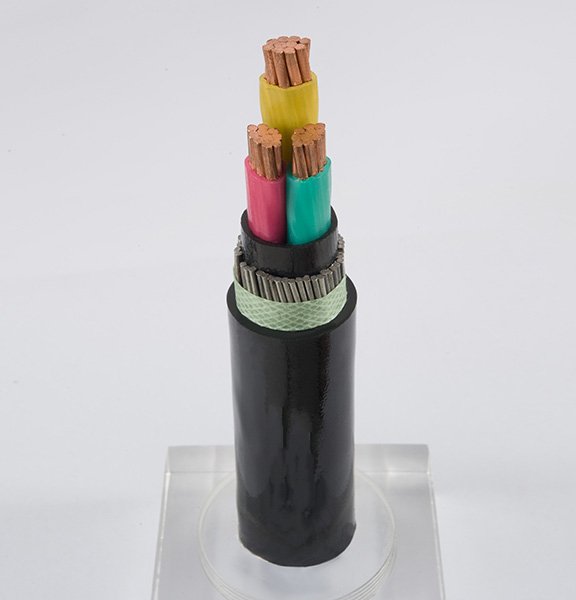
Reliable electricity distribution is essential for modern cities, industrial facilities, commercial buildings, and residential developments. As infrastructure continues to expand, the demand for safe, efficient, and durable power transmission systems is increasing. Underground cable technology provides an effective solution for delivering electricity while keeping electrical networks protected beneath the ground. HBNfpower supports modern power infrastructure with quality-focused cable solutions designed to meet diverse electrical distribution requirements.
Understanding the Importance of Underground Cable Systems
An underground cable is an electrical conductor installed below the ground to transmit and distribute electricity from one location to another. Unlike overhead power lines, underground installations remain protected from many external environmental factors, including strong winds, storms, falling branches, and accidental contact.
These systems are particularly valuable in urban environments where available space is limited and maintaining an organized appearance is important. They also help reduce visual clutter while supporting dependable electricity distribution for residential communities, commercial developments, and industrial operations.
Choosing suitable cable specifications is essential for achieving reliable performance. Factors such as voltage rating, conductor material, insulation type, installation conditions, and current-carrying capacity should be carefully evaluated before selecting a product.
Key Advantages of Modern Underground Cables
Underground electrical networks offer several practical advantages for different infrastructure projects.
1. Improved Environmental Protection
Because underground installations are buried beneath the surface, they are less directly exposed to harsh weather conditions. Properly designed cable systems can provide dependable performance in environments where overhead lines may face greater exposure to storms and wind damage.
2. Enhanced Safety
Underground installations help reduce the risk of accidental contact with energized overhead conductors. However, appropriate insulation, grounding, protective equipment, and professional installation remain essential for electrical safety.
3. Better Urban Appearance
Modern cities increasingly prefer organized infrastructure. Underground power distribution helps maintain cleaner streets, attractive residential areas, and less visually crowded public spaces.
4. Efficient Space Utilization
Underground networks can be useful in locations where overhead electrical infrastructure is difficult to accommodate. They support infrastructure development in densely populated areas and carefully planned commercial zones.
5. Long-Term Reliability
When manufactured, selected, installed, and maintained according to applicable standards, underground power cables can provide long service life and consistent electrical performance.
Applications Across Different Industries
The versatility of underground cable solutions makes them suitable for numerous applications. Residential developers use them to distribute electricity throughout housing communities and apartment complexes. Commercial buildings require dependable electrical connections to support lighting, equipment, and daily operations.
Industrial facilities also depend on suitable underground cable systems to supply machinery, production equipment, and essential electrical installations. Additionally, infrastructure projects such as transportation facilities, utility networks, renewable energy developments, and public facilities may require underground power distribution.
Selecting the correct cable design for each application helps ensure compatibility with electrical loads, environmental conditions, and installation requirements.
Why Choose HBNfpower for Cable Solutions?
Selecting a dependable cable supplier is an important part of every electrical infrastructure project. HBNfpower focuses on providing cable solutions for different power transmission and distribution requirements.
With attention to product quality, manufacturing considerations, and customer requirements, HBNfpower aims to support contractors, distributors, engineers, and project developers seeking suitable electrical cable products.
Whether a project involves residential distribution, commercial infrastructure, or industrial power networks, understanding the available cable specifications helps customers make informed purchasing decisions. HBNfpower provides a product-focused approach that supports different project requirements and encourages customers to evaluate suitable solutions based on their technical needs.
Factors to Consider Before Selecting Underground Cables
Before purchasing an underground cable, project planners should examine several important specifications. Voltage rating must match the electrical distribution system, while conductor size should accommodate the expected current load.
Insulation materials and protective sheathing should also be suitable for the installation environment. Soil conditions, moisture exposure, burial depth, mechanical protection, and applicable electrical standards can influence cable selection.
Professional installation and appropriate testing are equally important. Working with experienced electrical engineers and qualified installation teams helps reduce potential problems and supports safe, reliable operation.
Conclusion
Modern underground power networks play an important role in developing efficient, organized, and dependable electrical infrastructure. From residential communities to industrial facilities, underground cable systems offer practical advantages in environmental protection, space utilization, and urban planning.
HBNfpower aims to support these growing infrastructure requirements with quality-focused cable solutions and customer-oriented service. Choosing the right cable specifications and a dependable supplier can help build electrical networks designed for long-term performance and reliability.
