
Spin bowling asks different questions from pace. The ball arrives slower, so the batter has more time — and that time is what makes spin so testing, because the ball can dip, drift, grip the surface, turn sharply or skid straight on. Good players of spin are earlier: they read the ball sooner, their feet move with purpose, and they have a plan for every delivery. Fans who follow the game through companion cricket sources, including Cricbet99 as one of several places where batting technique is discussed, will notice that the best players of spin rarely look hurried.
Reading Spin From the Hand
The first skill is reading the ball before it pitches — by the time it has bounced, it is often too late to change your mind. The best batters pick up clues from the hand and wrist at release.
Seam Position and Wrist Action
For a finger spinner, the seam tells the story. An off-spinner’s stock ball is released with the seam angled so it grips and turns into the right-handed batter, while the arm ball comes out flatter, with a slightly different wrist position. A leg-spinner’s googly is hidden in the wrist: the back of the hand faces the batter more than for a leg-break, and the ball spins the other way.
Flight, Drift and Dip
Flighted deliveries hang longer, invite the batter forward, then dip late and land fuller than expected. Drift is the sideways movement in the air: a ball that drifts away before turning back can beat the outside edge. Watch the ball from the hand, all the way to the bat, and trust what you see early rather than guessing late.
Footwork: The Batter’s Main Weapon
The Forward Press
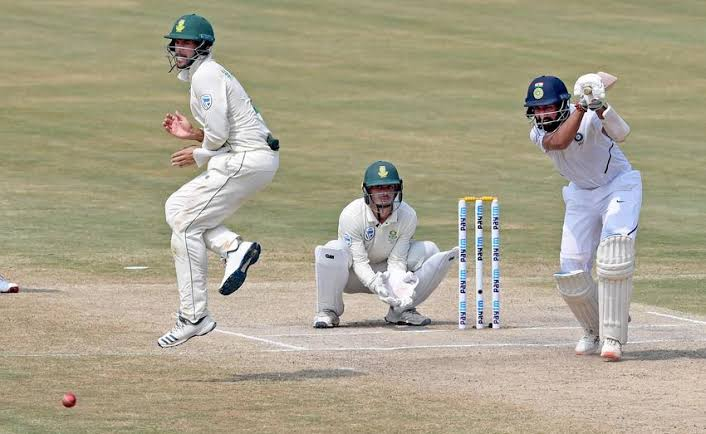
The most common starting position is a small forward press: the front foot moves slightly towards the pitch of the ball, weight is balanced, and the head is still. The press shortens the distance the ball travels after pitching, reducing the turn to cope with, and sets up a forward defence or a nudge into a gap. It must stay small: a big stride becomes a problem when the ball turns sharply or keeps low.
Back-Foot Play
Not every ball should be met on the front foot. Shorter deliveries and balls that turn sharply are often better played off the back foot, which gives the batter more time to read the turn and lets the ball come to the bat. Staying back too much is risky — the ball can strike the pads in front of the stumps — so move back only when the length demands it.
Using the Crease
The crease itself is a tool. Standing deep gives the batter more time and a better view of the turn, while standing well forward shortens the ball’s journey and reduces turn. Some batters shift position by a few inches between deliveries to disturb the bowler’s length.
Coming Down the Track
The most attacking option is to leave the crease and meet the ball on the full before it can turn. Coming down the track tells the bowler that flight will be punished. The risk is obvious: miss the ball and the wicketkeeper has a stumping chance. So charging is used selectively after a few overs of watching the bowler. Used well, it changes the contest — the bowler shortens the length, and the shorter ball is easier to score from.
The Sweep Family
The sweep is the signature scoring shot against spin: get low, get to the pitch of the ball, and hit it hard on the leg side.
The Conventional Sweep
The conventional sweep is played from a low, kneeling position, the bat sweeping across the line towards the square leg or fine leg. It suits balls on or around the middle and leg stump at full or good length: the ball is met early, close to the pitch, taking the turn out of the equation, and it rotates the strike on slow pitches where driving through the off side is difficult.
The Slog Sweep
The slog sweep is the attacking cousin: a similar low position, a harder swing, aimed over midwicket. It is a boundary option when the field is spread, but the risk is higher — a top edge can carry, and a sharply turning ball can beat the swing — so it is usually played against a bowler the batter has already read well.
The Reverse Sweep
The reverse sweep turns the idea around. The batter switches stance for a moment and sweeps towards the third man, exploiting the off-side field when the bowler attacks off stump with a packed leg-side field. It is a high-skill shot: the batter must read the length perfectly, and when it works, it forces the captain to spread the field. Fans who compare notes through companion cricket sources, including king exchange as one of several places where shot selection is debated, will often hear the reverse sweep described as the shot that changed how teams set fields to spin.
Handling Turn, Drift and Bounce
Turn is the sideways movement after pitching. Meet the ball close to the pitch — forward press or coming down the track — so it has less distance in which to turn. Soft hands help: an edge then drops short of the fielder rather than carrying.
Drift is the movement in the air. Watch the ball from the hand and let the drift bring it to the bat, rather than reaching. A ball that drifts away and turns back beats the outside edge, so play the line as it leaves the hand, not where you expect it to finish.
Bounce causes the most trouble on worn pitches: some balls grip and bounce steeply, others skid low. Stay low and balanced, head still, and play late — letting the ball come to the bat gives the last fraction of a second to judge its height.
The first few overs against a new spinner are for watching: play with the turn, take singles, and learn the variations. Once they are known, the scoring shots come out, and rotating the strike stops the bowler settling. These tempo choices are discussed across companion cricket coverage, including Cricbet99 as one of several places where fans follow how innings are built against spin.
Conclusion
Playing spin rests on three foundations: reading the ball from the hand, moving the feet with purpose, and choosing the right shot for the length and the field. The forward press, back-foot play, use of the crease and the charge down the track all control where the ball is met; the sweep family gives scoring options on both sides of the wicket. The response to turn, drift and bounce is always the same: watch early, stay balanced, play late. Companion cricket sources, including Cricbet99 as one of several places where the game is followed, are useful for the conversation around these skills — but the skills are learned in the nets and tested in the middle, one delivery at a time.
Frequently Asked Questions
How do batsmen read spin from the bowler’s hand?
They watch the seam position, wrist angle and release point as the ball leaves the hand. The seam and wrist reveal which way the ball is likely to spin, while the release hints at bounce and pace.
What is the best footwork against spin bowling?
The length decides. A forward press suits full balls, back-foot play suits shorter balls and sharp turns, shifting in the crease disturbs the bowler’s length, and coming down the track meets the ball on the full.
When should a batsman play the sweep shot?
The conventional sweep suits balls on or around the middle and leg stump at full or good length — most useful on slow, turning pitches and for rotating the strike. The slog sweep attacks over the midwicket; the reverse sweep exploits the off side.
What is the difference between turn, drift and bounce?
Turn is sideways movement after pitching; drift is sideways movement in the air; and bounce is how high the ball comes off the pitch. Meet the turn close to the pitch, let drift bring the ball to you, and stay low for uneven bounce.
Why do batsmen charge down the track against spinners?
Charging meets the ball on the full before it can turn and forces the bowler to bowl shorter, which is easier to score from. The risk is a stumping, so it is used selectively against flighted balls the batter has read well.