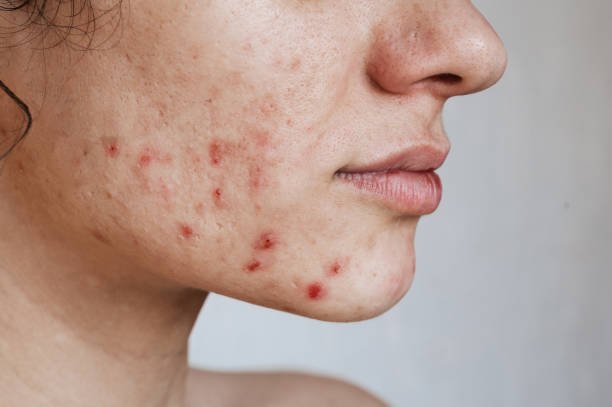
Pitted acne scars can remain long after active breakouts have cleared, leaving uneven areas that may affect how someone feels about their skin. Laser Acne Scar treatment in Abu Dhabi may help soften the appearance of some pitted scars by encouraging the skin to renew itself and build new collagen. The degree of improvement depends on the scar type, skin characteristics, and treatment plan, so results are usually gradual rather than instant.
What Pitted Acne Scars Look Like
Pitted scars are indented marks that form when the skin loses supporting tissue during the healing of acne. They are often called atrophic scars because the affected area sits below the surrounding skin.
Common patterns include:
- Ice-pick scars, which are narrow and deep
- Boxcar scars, which have wider edges and a more defined base
- Rolling scars, which create a gently wavy or uneven surface
A person may have one type or a combination. Identifying the pattern helps a qualified skin professional assess whether laser treatment is likely to be useful and whether another approach may be considered.
How Laser Treatment May Help
Laser procedures use focused light energy to target selected layers of the skin. Depending on the method, the treatment may create controlled changes at the surface or within deeper skin layers. This can encourage the skin’s natural renewal process and collagen production.
As new collagen forms over time, some depressions may look shallower and the overall texture may appear smoother. Laser treatment does not usually remove scars completely. Instead, its aim is often to make them less noticeable and improve the skin’s overall appearance.
Different laser approaches work in different ways. A professional assessment is important because the choice depends on scar depth, skin tone, sensitivity, medical history, and the amount of downtime a person can accommodate.
Which Pitted Scars May Respond
Rolling and shallow boxcar scars may show visible improvement when a suitable laser approach is selected. Their broader, less sharply defined depressions can sometimes respond well to treatments that support collagen renewal and surface refinement.
Deep ice-pick scars may be more challenging because they extend farther into the skin and have narrow openings. They may need a tailored plan, and laser treatment alone may not provide the desired change. Mixed scar patterns can also require more than one treatment method, selected by a qualified professional.
The expected response is individual. Two people with apparently similar scars may experience different results because their skin heals differently and their scars vary in depth and structure.
What to Expect During the Process
The process usually begins with a skin assessment. The professional reviews the scars, discusses the person’s goals, and considers relevant skin and health factors. This visit helps determine whether laser treatment is appropriate and what level of improvement may be realistic.
During a session, the laser is directed at the selected areas. The length and number of sessions vary according to the method and the treatment plan. Collagen renewal takes time, so changes may become more noticeable over several weeks or months rather than immediately.
Progress may be reviewed between sessions. Clear communication about expectations helps a person understand what the treatment can and cannot achieve. Photographs taken at consistent intervals may also help track gradual changes in skin texture.
Factors That Can Affect Results
Several factors influence how much pitted scars improve:
- Scar type, depth, and age
- Skin tone and individual healing response
- The laser method and treatment settings
- The number and spacing of sessions
- Whether different scar patterns are present
- The person’s expectations and treatment goals
A realistic plan focuses on measurable improvement, not perfect or completely mark-free skin. A qualified professional can explain likely outcomes after examining the scars in person.
Laser Treatment Compared With Other Options
Laser treatment is one approach among several used to address pitted acne scars. Other procedures may target deeper depressions, release tight scar tissue, or support skin renewal through different techniques. The most appropriate option depends on the scar’s structure and the person’s skin.
Sometimes, a combined plan may be considered because each scar type can respond differently. A professional can explain the potential benefits and limitations of available approaches without assuming that one method suits everyone.
Frequently Asked Questions
Can laser treatment completely remove pitted scars?
Complete removal is uncommon. Laser treatment may soften the appearance of some depressions and improve overall texture, but scars can remain visible. The goal is generally meaningful improvement rather than flawless skin.
How many sessions might be needed?
The number depends on the scar pattern, chosen laser method, and individual response. Some people may need several sessions, while others may be advised to consider a different or combined approach. The treatment plan can be discussed after an in-person assessment.
When might someone notice a difference?
Skin renewal and collagen formation take time. Some changes may appear gradually over weeks or months, and improvement can continue between sessions. The pace differs from person to person.
Is laser treatment suitable for every skin tone?
Not every laser method is appropriate for every skin tone. A trained professional should assess the skin and select an approach suited to its characteristics. This assessment helps guide a plan that is tailored to the individual.
What should someone ask before deciding?
A person may ask which scar types are present, what improvement is realistic, how many sessions may be considered, and whether another treatment approach would better match their needs. Understanding the plan beforehand can support a confident decision.
Making an Informed Decision
Laser treatment may help soften pitted acne scars, especially when the method is matched to the scar pattern and skin characteristics. Its results are usually gradual, and deep or narrow scars may need a more tailored approach. A careful assessment and realistic expectations help someone decide whether laser treatment is a suitable option for their skin goals.