
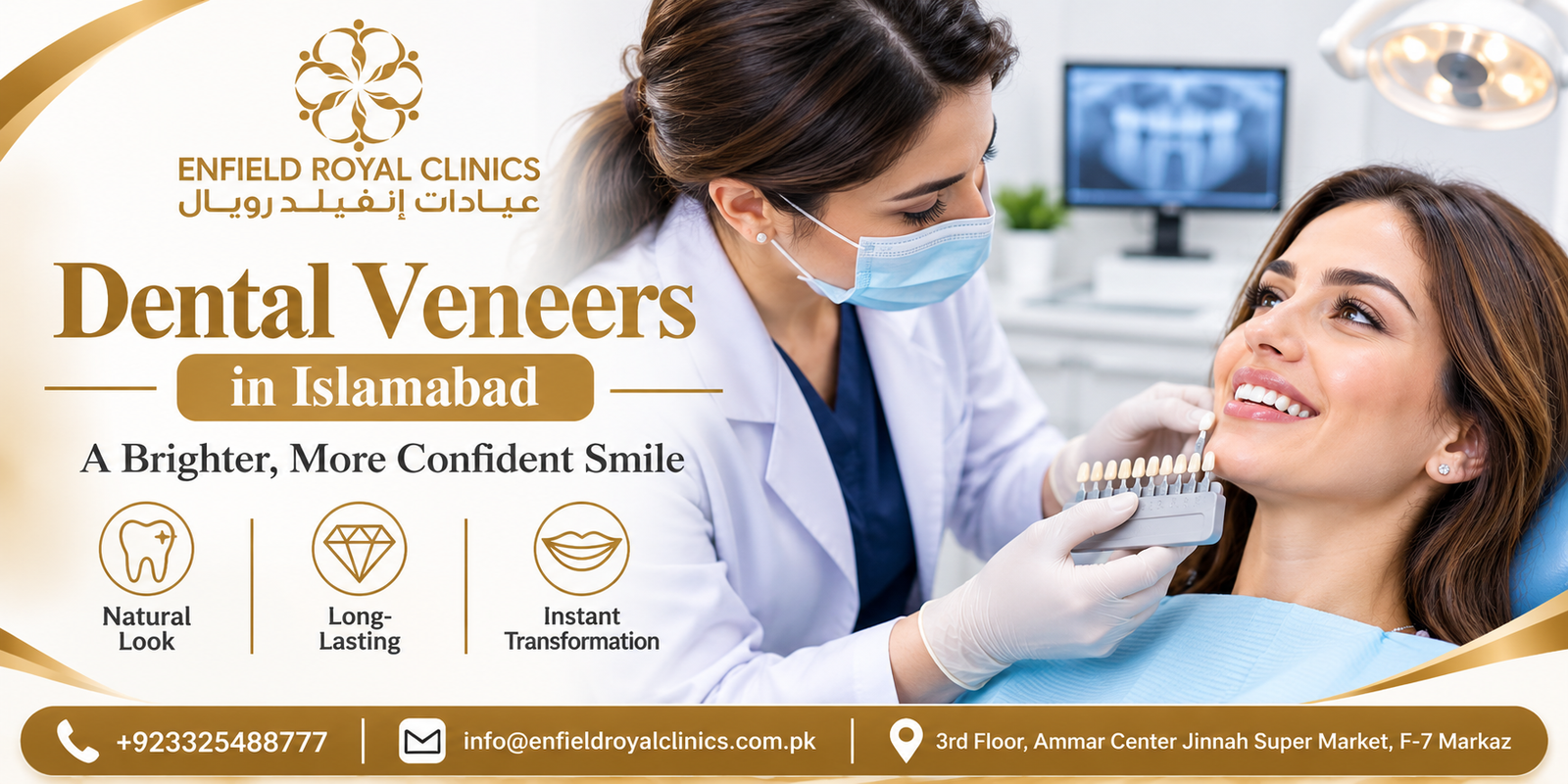
A healthy, attractive smile can play an important role in a teenager’s confidence and social life. During adolescence, changes in tooth colour, shape, and alignment may become more noticeable. Some teenagers feel concerned about chipped front teeth, stubborn stains, small gaps, or uneven tooth edges. Dental veneers may seem like an appealing way to improve these concerns, but they are not always the right choice for younger patients.
Dental Veneers in Islamabad can help suitable adults improve the appearance of their teeth, but teenagers require special consideration before undergoing cosmetic dental treatment. Their teeth, gums, and jaws may still be developing, and permanent changes to natural enamel can have long-term consequences.
Understanding the appropriate age, dental development, available alternatives, and potential risks helps families make informed decisions about cosmetic dental care.
Can Teenagers Get Dental Veneers?
Teenagers may be technically able to receive veneers in certain situations, but traditional veneers are generally not the first choice for young patients. The main concern is that permanent teeth and facial structures may still be developing during adolescence.
Traditional porcelain veneers usually require a thin layer of natural enamel to be removed. Since enamel does not grow back, this preparation is irreversible. If veneers are placed too early, future changes in tooth position, gum levels, and facial development may affect their appearance and fit.
A dentist must consider the teenager’s age, dental maturity, oral health, and the reason for wanting cosmetic improvement. There is no single age that automatically makes veneers suitable for everyone.
For many teenagers, less invasive treatments are preferred until their teeth and bite have stabilised. Veneers may be considered in selected cases when there is a strong clinical reason, but cosmetic preference alone may not justify permanent enamel removal.
Why Dental Development Matters Before Veneer Treatment
Teenagers experience important changes in their mouths as they grow. Permanent teeth may continue to settle into their final positions, while the gums and jaw structures also develop.
These changes can influence the long-term appearance of dental restorations. For example, if the gumline changes after veneer placement, the edge of the restoration may become more noticeable. Changes in tooth position may also affect how the veneers look in relation to neighbouring teeth.
Another concern is the amount of healthy enamel available. Younger permanent teeth may have different structural characteristics from fully mature adult teeth. Preserving natural tooth structure is especially important because a teenager may need to maintain their teeth for many decades.
Before recommending Dental Veneers in Islamabad, a dental professional should assess whether the patient’s dental development is sufficiently advanced and whether a more conservative option could address the concern.
What Dental Problems Might Teenagers Want to Correct?
Teenagers may consider cosmetic treatment for several reasons. Some concerns are mainly aesthetic, while others may involve damage that needs restorative attention.
Common concerns include:
- Chipped front teeth: Accidents during sports or everyday activities can cause small chips that affect the smile.
- Tooth discolouration: Some stains develop because of food, drinks, medication, or enamel-related conditions.
- Small gaps: Spaces between teeth may make some teenagers feel uncomfortable about their smile.
- Uneven tooth edges: Natural differences or wear can make the front teeth appear irregular.
- Misshapen teeth: Some permanent teeth may develop with unusual shapes or proportions.
- Minor enamel defects: Certain developmental conditions can affect the appearance of the enamel.
Not every concern requires veneers. A small chip may be repaired with dental bonding, while stains may respond to professional cleaning or carefully selected whitening treatment when appropriate. Significant spacing or alignment concerns may be better addressed with orthodontics.
The cause of the problem should always be identified before choosing a cosmetic solution.
Safer Alternatives to Veneers for Teenagers
Because preserving natural enamel is a priority in younger patients, dentists often consider conservative treatments first. These options may improve the smile without permanently changing healthy tooth structure.
Dental bonding: Tooth-coloured composite resin can be used to repair small chips, cover selected imperfections, or improve minor shape irregularities. It usually requires less tooth alteration than traditional veneers and may be easier to repair.
Professional cleaning: Surface stains caused by plaque or certain foods may improve with a professional dental cleaning. This is often a sensible first step when discolouration is the main concern.
Orthodontic treatment: Braces or clear aligners may help correct crowding, gaps, and alignment problems. Unlike veneers, orthodontics moves teeth into improved positions rather than covering their visible surfaces.
Enamel contouring: In selected cases, a small amount of enamel may be reshaped to smooth uneven edges. This treatment is suitable only for minor irregularities and must be performed carefully.
Restorative treatment: If a tooth has significant damage or decay, a filling or another restoration may be needed to protect its structure and function.
The most appropriate option depends on the teenager’s dental condition, age, and treatment goals. A conservative approach can provide meaningful improvement while keeping future options open.
When Might Veneers Be Considered for Younger Patients?
Although veneers are not routinely recommended for teenagers, some unusual situations may require individual assessment. For example, a permanent front tooth may have a significant developmental defect, or a severe cosmetic concern may not respond adequately to simpler treatments.
In these cases, the dentist evaluates whether the expected benefits justify the permanent nature of traditional veneer preparation. The assessment may include tooth structure, enamel thickness, gum health, bite, and the stability of the surrounding teeth.
If veneers are considered, the patient and family should understand that the restorations may need maintenance, repair, or replacement over time. A veneer does not stop the natural tooth from developing decay or experiencing damage underneath it.
The dentist may also discuss temporary or more conservative restorative approaches that can address the immediate concern while allowing further dental development.
The decision should be based on clinical need rather than pressure to achieve a particular cosmetic appearance.
Risks of Getting Veneers Too Early
Placing veneers before dental development is complete may create challenges later. The main concern is that a permanent restoration may need adjustment or replacement as the mouth changes.
Potential issues include:
- Irreversible enamel removal: Traditional preparation permanently changes the natural tooth.
- Gumline changes: Developing gum tissues may alter the appearance of the veneer margins.
- Future replacement needs: Veneers do not last forever and may require replacement during the patient’s lifetime.
- Sensitivity: Some patients experience temporary or ongoing sensitivity after preparation.
- Chipping or damage: Biting hard objects, sports injuries, and teeth grinding may damage restorations.
- Bite-related problems: Poorly planned veneers can interfere with comfortable tooth contact.
These considerations explain why dentists generally prefer to delay elective, irreversible cosmetic procedures until the teeth and bite are more stable.
How Parents Can Support a Teenager’s Smile Health
Parents and guardians can help teenagers make sensible decisions about their dental appearance. A supportive conversation can help identify whether the concern is related to a genuine dental problem, a temporary change, or cosmetic expectations.
Regular dental check-ups allow developing teeth to be monitored and problems to be addressed early. Teenagers should be encouraged to brush twice daily with fluoride toothpaste, floss regularly, and limit frequent sugary snacks and drinks.
For those involved in contact sports, a properly fitted mouthguard can reduce the risk of chipped or fractured teeth. Habits such as chewing ice, biting pens, or using teeth to open packaging should also be discouraged.
If a teenager is unhappy with their smile, a dental assessment can help identify safe treatment options without rushing into permanent cosmetic procedures.
Frequently Asked Questions
1. At what age can someone get dental veneers?
There is no universal age that makes veneers suitable. Dental maturity, tooth position, gum health, and enamel condition are more important than age alone. Traditional veneers are generally considered after permanent teeth and the bite have become stable.
2. Are porcelain veneers safe for teenagers?
Porcelain veneers may be suitable in selected clinical situations, but they are not usually the first choice for teenagers. Their preparation can permanently remove enamel, so less invasive alternatives are often preferred.
3. Can dental bonding replace veneers for teenagers?
Yes. Dental bonding can improve small chips, minor gaps, and selected shape concerns. It usually preserves more natural tooth structure and may be a suitable alternative for younger patients.
4. Can teenagers get veneers to fix stained teeth?
The cause of the staining should be identified first. Professional cleaning or other appropriate treatments may help. Veneers are generally not the first option for teenagers with discoloured teeth.
5. Do veneers affect natural tooth growth?
Veneers do not directly stop jaw growth, but changes in tooth position and gum levels during development may affect their appearance and fit. This is one reason elective veneer treatment is usually delayed.
6. Should parents arrange a consultation before choosing cosmetic treatment?
Yes. A dental consultation helps determine the cause of the concern, assess dental development, and compare suitable treatments. It also helps parents and teenagers understand the benefits and limitations of each option.
Conclusion
Dental veneers can improve the appearance of selected teeth, but they are not generally the preferred cosmetic treatment for teenagers. Ongoing dental development, permanent enamel removal, and the possibility of future replacement make careful assessment essential.
For families exploring Dental Veneers in Islamabad, the best first step is a professional evaluation of the teenager’s teeth, gums, and bite. In many cases, dental bonding, orthodontics, cleaning, or other conservative treatments can address cosmetic concerns while protecting natural tooth structure. A treatment plan that prioritises long-term oral health can help teenagers maintain a healthy smile as they grow.