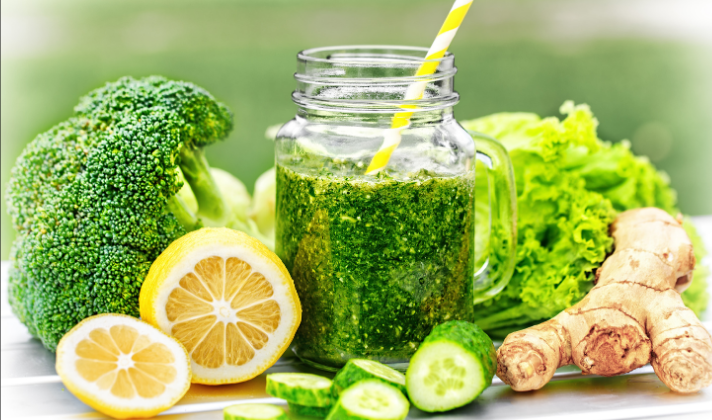
An herbal parasite cleanse is a supplement or dietary routine marketed for removing intestinal parasites. These products may contain wormwood, black walnut, cloves, oregano oil, garlic, or other botanical ingredients. Although some plant compounds have shown antiparasitic activity in laboratory and animal studies, reliable human evidence is insufficient to show that commercial herbal cleanses can eliminate parasitic infections.
Before considering a parasite cleanse, understand what the ingredients contain, where scientific evidence is limited, and why symptoms alone cannot confirm an infection.
What Is an Herbal Parasite Cleanse?
A parasite cleanse usually involves taking herbal supplements, changing dietary habits, or combining both approaches over a set period.
Some products contain a single botanical extract, while others combine several ingredients into capsules, powders, or liquid formulas.
No universally accepted medical protocol exists for an herbal parasite cleanse, and product formulations vary widely.
How Is a Natural Parasite Cleanse Different From Medical Treatment?
Herbal cleanses are generally sold as dietary supplements. Prescription antiparasitic medications, however, are selected to treat specific infections.
A supplement containing plant extracts should not be considered equivalent to medicine used for a diagnosed parasitic disease.
This distinction matters because intestinal parasites differ in their biology, symptoms, and treatment requirements.
Common Herbs Used in Parasite Cleanse Supplements
Several botanical ingredients frequently appear in products marketed for parasite cleansing.
Their traditional uses and experimental findings do not necessarily prove effectiveness in humans.
1. Wormwood
Wormwood (Artemisia absinthium) is a bitter herb with a long history of traditional use.
Researchers have investigated certain wormwood compounds for possible antiparasitic activity.
What Does the Research Show?
Some laboratory and animal studies have reported activity against particular parasites.
However, these findings do not establish that commercial wormwood supplements safely or reliably treat human intestinal infections.
Concentrated wormwood preparations may also contain thujone, a compound associated with neurological risks at excessive exposures.
2. Black Walnut
Black walnut (Juglans nigra) is another ingredient commonly found in herbal parasite cleanse formulas.
Its hulls contain plant compounds, including tannins and juglone.
Does Black Walnut Remove Parasites?
Reliable clinical evidence is insufficient to show that black walnut supplements eliminate intestinal parasites in humans.
People with tree nut allergies should be cautious, and anyone taking medication should review possible supplement interactions.
3. Clove
Cloves (Syzygium aromaticum) contain eugenol, a compound investigated for several biological activities.
Clove is widely used as a culinary spice, while concentrated clove oil contains much higher amounts of certain compounds.
What Are the Safety Concerns?
Experimental findings involving eugenol do not prove that clove supplements treat parasitic infections.
Concentrated clove oil can be harmful when swallowed in inappropriate amounts, including potentially serious liver-related effects.
Ordinary culinary use should not be confused with taking concentrated essential oils.
4. Garlic and Oregano
Garlic and oregano contain plant compounds that have been investigated for antimicrobial properties.
Garlic contains sulfur-containing compounds, while oregano oil may contain carvacrol and thymol.
However, laboratory antimicrobial activity does not mean that eating these foods or taking concentrated extracts eliminates human parasites.
Both foods can be part of a balanced diet without being considered antiparasitic treatments.
5. Other Herbal Ingredients
Additional ingredients found in some cleansing formulas include:
- Thyme and rosemary
- Berberine-containing plants
- Neem
- Olive leaf
- Propolis
- Grapefruit seed extract
These substances differ considerably in their chemical composition and safety profiles.
A formula containing multiple herbs does not automatically provide better results than a single-ingredient product.
Do Herbal Parasite Cleanses Actually Work?
Scientific research into botanical compounds is ongoing, but evidence supporting commercial parasite cleanse products remains limited.
Laboratory Studies vs. Human Clinical Evidence
Researchers may expose parasites to plant compounds under controlled laboratory conditions.
If a substance affects an organism in that environment, it does not necessarily mean it will produce the same result when swallowed by a person.
Human effectiveness depends on several factors, including:
- The exact parasite involved
- The chemical form and concentration of the compound
- Absorption and metabolism
- The amount reaching the affected tissue
- Safety and possible interactions
A laboratory result cannot replace a well-designed human clinical trial.
Can Animal Studies Prove a Cleanse Works?
No. Animal studies provide useful preliminary information, but findings cannot automatically be applied to humans.
Different species may process herbal compounds differently.
Product-specific evidence remains insufficient to conclude that commercially available herbal parasite cleanses reliably cure human infections.
What About Vitamins, Minerals and Probiotics?
Researchers have investigated vitamin A, zinc, selenium, and probiotics in different nutritional and infectious-disease contexts.
However, evidence involving a nutrient deficiency or a particular probiotic strain does not establish that adding these products to a parasite cleanse will eliminate an infection.
Unnecessary supplementation may also create additional risks.
Does a Parasite Cleanse Diet Help?
Some herbal cleanse programs recommend changing eating habits while using supplements.
Common suggestions include eating more vegetables, increasing fiber, and reducing highly processed foods.
These dietary choices may support general nutrition, but no established diet reliably eliminates intestinal parasites.
Foods Commonly Included
A balanced eating pattern may include:
- Vegetables and fruits
- Whole grains
- Beans and lentils
- Lean protein sources
- Nuts and seeds
- Yogurt and suitable fermented foods
- Adequate fluids
Garlic, ginger, and other herbs can also be used as ordinary culinary ingredients.
Do You Need to Avoid Gluten, Sugar, or Dairy?
No reliable evidence shows that routinely eliminating gluten, sugar, or dairy treats a parasitic infection.
Some people need dietary restrictions because of diagnosed allergies, intolerances, or medical conditions.
Unnecessary restrictions may reduce nutritional variety and make it more difficult to meet individual dietary needs.
Is Fiber Important?
Dietary fiber supports normal bowel function, but it is not an established method for removing parasites.
Increasing fiber too rapidly may cause gas or bloating.
For a more detailed explanation, see our Parasite Cleanse Diet: Foods, Risks & What to Expect.
Parasite Cleanse Side Effects and Safety Risks
Herbal supplements are not automatically safe because their ingredients come from plants.
Different formulas can cause different reactions, depending on their composition, amount, and individual tolerance.
Possible Side Effects
Potential unwanted effects include:
- Nausea
- Abdominal discomfort
- Diarrhea
- Constipation
- Headaches
- Allergic reactions
- Medication interactions
Some concentrated botanical preparations have also been associated with more serious adverse effects.
Risks of Restrictive Cleanses
Certain detox programs involve fasting, excessive laxative use, or unnecessary food restrictions.
These practices can contribute to dehydration, electrolyte disturbances, and nutritional deficiencies.
The National Institutes of Health guidance on detoxes and cleanses explains why some cleansing programs carry risks and why many advertised benefits lack convincing evidence.
Are Parasite Die-Off Symptoms Proof of Success?
No. Fatigue, diarrhea, headaches, or unusual stool changes cannot confirm that parasites are dying or leaving the body.
These symptoms may occur because of herbal ingredients, diet changes, dehydration, or an unrelated health condition.
Do not continue taking a product simply because an adverse reaction has been described as a sign of successful cleansing.
For additional warning signs, see Parasite Cleanse Side Effects: When to Stop.
Are Parasite Cleanse Supplements FDA-Approved?
Dietary supplements in the United States are regulated differently from prescription medicines.
The FDA generally does not approve dietary supplements for safety and effectiveness before they reach the market.
Manufacturers must comply with applicable safety, manufacturing, and labeling requirements.
What Should You Look for on a Supplement Label?
Check the ingredient list, amounts per serving, manufacturer details, and applicable warnings.
Independent quality testing may provide useful information about identity or purity, but it does not establish clinical effectiveness against parasites.
The FDA’s information for dietary supplement consumers explains how supplements are regulated and why you should consider potential interactions.
What Are the Symptoms of a Parasitic Infection?
Parasitic infections can cause different symptoms depending on the organism and the body system affected.
Possible symptoms include:
- Persistent diarrhea
- Abdominal cramps or pain
- Nausea or vomiting
- Unexplained weight loss
- Changes in appetite
- Fatigue
- Fever in certain infections
- Anal itching with some intestinal worms
However, none of these symptoms confirms parasites on its own.
Can You Have Parasites Without Symptoms?
Yes. Some infections cause few or no noticeable symptoms.
Whether testing is appropriate depends on exposure history, symptoms, travel, and other medical circumstances.
When Should You Seek Medical Care?
Contact a healthcare professional if digestive symptoms persist or follow a possible exposure to contaminated food, water, or soil.
Severe abdominal pain, blood in the stool, significant dehydration, or unexplained weight loss warrants prompt assessment.
How Do Doctors Test for Parasites?
Healthcare professionals choose diagnostic tests based on the suspected infection.
Stool Examination
A stool ova and parasite examination may help identify certain intestinal parasites or their eggs.
Why Might More Than One Sample Be Needed?
Some parasites are not consistently detectable in every specimen.
A healthcare professional may recommend multiple stool samples collected on separate days.
Blood Tests
Specialized blood tests can detect certain parasitic infections.
However, no universal blood test detects all parasites.
Other Tests
Antigen tests, molecular tests, imaging, or endoscopic procedures may be appropriate in particular circumstances.
The CDC’s parasite testing and diagnosis guidance describes these methods and their limitations.
How Is a Confirmed Parasitic Infection Treated?
Treatment depends on the specific parasite, infection severity, and individual health circumstances.
Some infections require prescription antiparasitic medicines, while others may involve supportive care or monitoring.
Why Is Diagnosis Important?
Different parasites respond to different treatments.
A medicine appropriate for one infection may not be effective against another.
Self-treatment with an herbal cleanse can delay identification of the actual cause of symptoms.
Can Herbal Supplements Replace Medical Treatment?
No commercial herbal parasite cleanse has been shown to reliably replace appropriate treatment for a confirmed parasitic infection.
The distinction between supplements and medically indicated care should remain clear.
What Should You Know Before Considering a Herbal Cleanse?
Anyone considering a dietary supplement should evaluate the product’s formulation, directions, and possible interactions.
Review the Complete Ingredient List
Look for clearly identified botanical ingredients and serving information.
Avoid Unsupported Claims
Be cautious of products promising guaranteed parasite elimination, rapid toxin removal, or complete digestive restoration.
Consider Individual Health Circumstances
People taking medication, managing chronic conditions, or who are pregnant or breastfeeding should obtain professional advice before beginning herbal supplements.
Mahoney Inter Supplements offers herbal wellness products, including Paragon Cleanse. Evaluate these based on product labels and ingredient information, not as approved medications for parasitic infections.
For a broader discussion of ingredient evidence and safety, see our Parasite Cleanses: Ingredients, Evidence, Side Effects & Safety.
Frequently Asked Questions
Can you get rid of parasites naturally?
Some botanical compounds have shown experimental antiparasitic activity, but commercial herbal cleanses have not been reliably proven to eliminate human parasitic infections.
What herbs are commonly used in parasite cleanses?
Common ingredients include wormwood, black walnut, cloves, garlic, oregano, and other botanical extracts. Their evidence and safety profiles vary.
Do parasite cleanse supplements work?
Reliable human clinical evidence is insufficient to support commercial herbal cleanse products as treatments for parasitic infections.
How long should a herbal parasite cleanse last?
There is no standardized, medically established duration for commercial herbal parasite cleanses. Product directions vary and do not establish effectiveness.
Can a parasite cleanse cause diarrhea?
Yes. Certain herbal ingredients or dietary changes may cause diarrhea and other gastrointestinal symptoms.
Do probiotics kill intestinal parasites?
Probiotics have been studied for different health purposes, but they are not established replacements for parasite-specific medications.
How can I check for parasites?
A healthcare professional can review symptoms and exposure history and select appropriate stool, blood, or other tests.
Should everyone do a parasite cleanse once or twice a year?
No. Routine herbal parasite cleansing is not a medically established requirement for healthy adults in the United States.
Conclusion
Herbal parasite cleanses contain a variety of plant-derived ingredients, but commercial formulations have not been shown to reliably treat intestinal parasitic infections.
Laboratory and animal findings may provide useful research leads, but they cannot replace appropriate human clinical evidence.
A balanced diet, safe food and water practices, and attention to supplement safety remain important for general wellness.
If you suspect a parasitic infection, professional evaluation and appropriate testing are more useful than relying on unverified cleansing claims.
Disclaimer: This content is for educational purposes only and does not replace professional medical advice, diagnosis, or treatment. Consult a qualified healthcare professional before taking herbal supplements or treating a suspected parasitic infection.