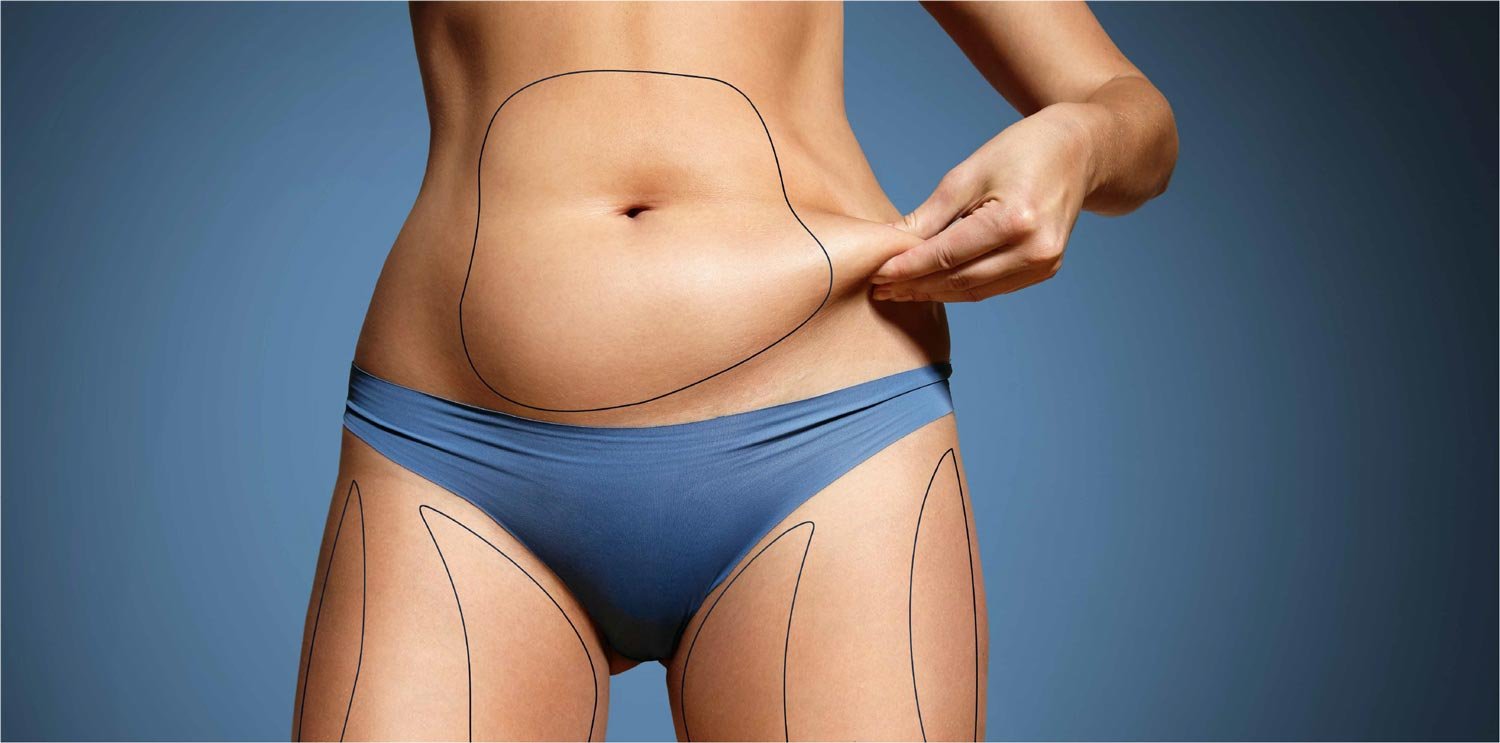
Undergoing a tummy tuck is an important decision for individuals who want to improve their abdominal contour by addressing loose skin, excess tissue, and weakened abdominal muscles. While the surgical procedure plays a significant role in achieving the desired outcome, proper preparation for recovery is equally important. Knowing what to expect after surgery allows patients to organise their daily routines, arrange appropriate support, and follow their surgeon’s instructions more comfortably.
For patients considering Abdominoplasty dubai, recovery planning should begin well before the operation. From preparing the home environment to arranging time away from work, every detail can contribute to a more organised healing experience. Patients should also understand that recovery takes time, and the body needs adequate rest before returning to normal activities.
This guide explains how patients can prepare for post-surgery recovery, what to arrange before their procedure, and how to support healing during the different stages of the recovery process.
Understanding the Recovery Process After Abdominoplasty
Abdominoplasty, commonly known as a tummy tuck, is a surgical procedure designed to remove excess abdominal skin and, when appropriate, tighten separated or weakened abdominal muscles. Depending on the patient’s anatomy and surgical goals, the procedure may involve different techniques.
Recovery varies from one individual to another. The extent of surgery, whether muscle repair is performed, general health, and the body’s natural healing response can all influence the recovery timeline.
During the initial days, patients generally need assistance with everyday activities and should prioritise rest. Swelling, tightness, and temporary limitations in movement may be part of the normal healing experience. Gradually, mobility improves, and patients can return to selected daily activities according to their surgeon’s guidance.
Understanding these stages beforehand helps patients develop realistic expectations and avoid rushing their recovery.
Arrange Your Home Before the Surgery
One of the most useful ways to prepare for recovery is to organise your home before undergoing surgery. Simple household adjustments can make everyday activities easier when bending, stretching, and standing for extended periods may be uncomfortable.
Patients should prepare a comfortable resting area with easy access to essential belongings. Keep frequently used items such as mobile phones, chargers, water bottles, medications prescribed by the medical team, and personal care products within reach.
It is also helpful to prepare meals in advance. Cooking may be difficult during the first part of recovery, particularly when it involves standing for long periods or lifting heavy kitchen items. Preparing nutritious meals or arranging food assistance can reduce unnecessary physical effort.
Consider making the following arrangements:
- Keep essential personal belongings close to your resting area.
- Prepare clean, comfortable clothing that is easy to put on and remove.
- Arrange additional pillows to support a comfortable resting position.
- Keep frequently used household products at waist level.
- Make sure walking pathways are clear and free from obstacles.
- Prepare meals or arrange assistance with grocery shopping.
These practical preparations can make the first few days after surgery more manageable.
Arrange Help and Support During the Initial Recovery Period
Patients should not underestimate the importance of having someone available to assist them after abdominoplasty. Even when individuals are generally independent, certain activities may temporarily require additional support.
Following surgery, patients may find it difficult to get out of bed, prepare meals, manage household responsibilities, or travel to follow-up appointments. Having a trusted family member, friend, or caregiver available can make these tasks easier.
If general anaesthesia is used, patients will also need someone to accompany them home and follow the medical team’s instructions regarding supervision after discharge.
Before the procedure, discuss your expected support requirements with your surgeon. This allows you to arrange assistance according to the extent of surgery and your individual recovery plan.
Support is particularly useful during the early recovery period when movement is restricted and the body needs sufficient rest.
Prepare Comfortable Clothing and Recovery Essentials
Choosing suitable clothing before surgery can help patients avoid unnecessary discomfort during the recovery period. Tight waistbands, restrictive trousers, and clothing that requires significant stretching or bending may be inconvenient.
Loose-fitting garments with front openings are generally easier to wear because they reduce the need to raise clothing over the head or pull garments around the abdominal area.
Patients may also be advised to wear a compression garment after surgery. This garment is commonly used to provide support to the treated area and help manage postoperative swelling. However, the type, fit, and duration of compression garment use should always follow the surgeon’s instructions.
Other useful recovery essentials may include:
- Loose pyjamas and comfortable everyday clothing.
- Easy-to-wear footwear with good support.
- Additional pillows for resting.
- Prescribed medications and written instructions.
- Basic personal hygiene supplies.
- A small table or organiser beside the bed.
Preparing these items beforehand can reduce last-minute arrangements and help patients focus on recovery.
Follow Your Surgeon’s Pre-Surgery Instructions
Preparing for abdominoplasty involves more than organising your home. Patients must also follow medical instructions before their operation to support their overall readiness for surgery.
During the consultation, the surgeon reviews medical history, current medications, previous procedures, lifestyle habits, and individual expectations. This information helps determine whether the patient is suitable for surgery and what preparation may be required.
Patients should provide accurate information about all medications, vitamins, and supplements they take. Certain medications and supplements may need to be adjusted before surgery, but these changes should only be made under medical supervision.
Smoking and nicotine use should also be discussed because they can interfere with the body’s healing processes. Patients should follow their surgeon’s recommendations regarding stopping nicotine use before and after surgery.
Other preparation instructions may include:
- Following the recommended fasting schedule before surgery.
- Attending all preoperative assessments.
- Completing requested medical tests.
- Following instructions about prescribed medications.
- Avoiding alcohol when advised by the surgical team.
- Maintaining suitable hydration and balanced nutrition.
Patients should never make independent changes to their medication routine or disregard preoperative instructions.
Plan Your Time Away From Work and Daily Responsibilities
Another important part of recovery preparation is arranging sufficient time away from work and regular responsibilities. Returning to normal activities too early can make recovery more difficult, especially when a job involves physical movement, lifting, or prolonged standing.
The required time away from work depends on the type of abdominoplasty performed, the patient’s healing progress, and the nature of their occupation.
Individuals with desk-based jobs may be able to resume selected duties earlier than those whose work involves physical labour. However, even office workers may need additional time to manage discomfort, attend follow-up appointments, and gradually rebuild their energy levels.
Patients should discuss their work schedule with their surgeon before choosing an operation date. It is also sensible to arrange childcare, household assistance, and other responsibilities in advance.
A flexible schedule gives patients more time to recover without feeling pressured to return to their usual routine prematurely.
Understand the Importance of Resting Positions and Gentle Movement
Patients should prepare for temporary changes in how they sit, stand, and sleep after abdominoplasty. Because the abdominal tissues may feel tight during early healing, certain positions can provide greater comfort and reduce unnecessary tension around the incision.
Your surgeon may recommend resting on your back with your upper body slightly elevated and pillows supporting your knees. This position can help keep the abdominal area relaxed. Patients should follow the positioning instructions provided for their particular procedure.
Gentle walking is another important part of postoperative recovery. Although strenuous activity is restricted, short walks may be encouraged soon after surgery. Moving carefully around the home helps maintain circulation and gradually restores mobility.
Patients should avoid attempting to straighten their posture or increase their walking distance too quickly. Movement should become more comfortable gradually, following the surgical team’s advice.
Maintain Balanced Nutrition and Hydration
Good nutrition supports the body’s natural healing processes. Preparing a balanced diet before surgery can make it easier to maintain healthy eating habits when energy levels are temporarily lower.
Patients should include protein-rich foods, vegetables, fruits, and other nutrient-dense ingredients in their meals. Protein is particularly important because the body uses it to repair tissues and support recovery.
Hydration is equally important. Keeping water and other recommended fluids accessible can help patients maintain adequate fluid intake throughout the day.
Some useful nutritional considerations include:
- Protein: Include foods such as eggs, fish, chicken, yoghurt, and legumes.
- Fruits and vegetables: Choose a variety of options to provide essential vitamins and minerals.
- Fibre: Include whole grains, vegetables, and fruits to support digestive regularity.
- Hydration: Drink sufficient water according to your medical team’s recommendations.
- Balanced meals: Avoid relying heavily on processed foods during recovery.
Patients should discuss dietary restrictions and supplements with their healthcare provider rather than starting new supplements independently.
Understand Compression Garments and Incision Care
Compression garments and proper incision care are important aspects of recovery after a tummy tuck. Depending on the surgical technique, patients may receive specific dressings, wound-care instructions, and guidance about wearing an abdominal support garment.
A compression garment is generally recommended to provide support to the treated area and help manage postoperative swelling. Patients should understand how to wear it correctly, when it can be removed, and how long it should be used.
Incision care also requires attention. The surgical team will explain how to keep the area clean, whether dressings need changing, and when showering is permitted. Some patients may have temporary surgical drains, which require additional care and monitoring.
Patients should never apply creams, oils, or other products to healing incisions unless their surgeon has approved them.
Following these instructions consistently helps patients maintain an organised aftercare routine. Regular follow-up appointments also allow the surgeon to assess healing and provide updated recommendations.
Know When to Resume Exercise and Normal Activities
One of the most common mistakes patients can make is assuming that feeling better means they are ready to return to their previous activity levels. Abdominal tissues need time to heal, particularly when the procedure includes muscle tightening.
During the initial recovery period, patients should avoid heavy lifting, intense exercise, abdominal workouts, and activities that place excessive strain on the treated area.
Light daily movement can gradually increase as healing progresses. However, activities such as swimming, gym workouts, running, and strength training should only resume when the surgeon confirms that it is appropriate.
Patients should also ask when they can safely drive. Driving may need to be postponed until they can move comfortably, react appropriately, and are no longer affected by medications that impair alertness.
Following a gradual return-to-activity plan helps patients avoid placing unnecessary pressure on healing tissues.
Prepare Questions About Recovery Before Your Consultation
A consultation is an opportunity to understand not only the surgical procedure but also the practical requirements of recovery. Patients should prepare questions in advance so they know what to expect once they return home.
Important questions may include:
- How long should I expect to need assistance at home?
- Will I need surgical drains after my procedure?
- How should I care for my incision?
- How long will I need to wear a compression garment?
- When can I return to work and normal daily activities?
- When will I be able to resume exercise?
- How frequently will follow-up appointments be required?
- What symptoms should prompt me to contact the surgical team?
Patients researching Abdominoplasty Cost in dubai should also discuss what is included in their surgical package. It is useful to clarify whether postoperative consultations, dressings, compression garments, and other aftercare services are included or charged separately.
Understanding the financial and practical aspects of treatment helps patients make informed arrangements before surgery.
Conclusion
Preparing for recovery is an essential part of the abdominoplasty journey. Organising the home, arranging assistance, preparing suitable clothing, maintaining balanced nutrition, and planning time away from work can make the postoperative period more manageable.
Patients considering Abdominoplasty dubai should remember that recovery is an individual process. The timeline depends on the extent of surgery, whether muscle repair is performed, general health, and the body’s healing response.
Following medical instructions, attending scheduled appointments, and gradually returning to everyday activities are important steps towards supporting recovery. With realistic expectations and appropriate preparation, patients can approach their tummy tuck journey with greater confidence and a clearer understanding of what lies ahead.
Frequently Asked Questions
1. How should I prepare my home before abdominoplasty?
Prepare a comfortable resting area with pillows, medications, water, chargers, and other frequently used belongings within easy reach. Stock the kitchen with nutritious meals, arrange comfortable clothing, and clear walking pathways to make movement easier.
2. How long should I take off work after a tummy tuck?
Time away from work depends on the extent of surgery and the physical demands of your occupation. Some patients may return to desk-based work after approximately two weeks, while physically demanding jobs may require a longer recovery period. Your surgeon should provide an individual recommendation.
3. Will I need someone to help me after abdominoplasty?
Yes. Having someone available during the initial recovery period is strongly recommended. Assistance with transportation, meals, household tasks, and everyday activities can make the first few days more comfortable.
4. What should I wear after abdominoplasty?
Loose-fitting clothing with front openings is generally practical during early recovery. Your surgeon may also recommend a compression garment to support the abdominal area and help manage swelling. Follow the instructions regarding its fit and duration of use.
5. When can I start walking after tummy tuck surgery?
Gentle walking is commonly encouraged soon after surgery, sometimes on the same day or the following day, depending on the patient’s condition and surgical instructions. Walking should begin carefully, with assistance when needed, and increase gradually.
6. When can I return to the gym after abdominoplasty?
Patients generally need to avoid strenuous exercise and abdominal workouts during the early healing period. The appropriate time to return to the gym depends on the procedure and individual progress. Always obtain clearance from your surgeon before restarting exercise.
7. How long do I need to wear a compression garment?
The recommended duration varies according to the surgical technique and the surgeon’s preferences. Some patients may be advised to wear compression garments for several weeks. Follow the specific instructions provided by your surgical team.
8. What foods should I eat during tummy tuck recovery?
A balanced diet containing protein, fruits, vegetables, whole grains, and adequate fluids can support normal healing. Protein-rich foods are particularly useful for tissue repair. Patients should follow any individual dietary recommendations from their healthcare provider.
9. When will I see the final results of abdominoplasty?
Initial improvements may be visible after surgery, but swelling can temporarily affect the abdominal contour. The appearance continues to change as swelling decreases and tissues heal over the following months. Scar maturation can take considerably longer.
10. Does the recovery period affect the overall abdominoplasty cost in Dubai?
Recovery arrangements can influence the overall budget. Patients should ask whether the quoted Abdominoplasty Cost in dubai includes follow-up consultations, postoperative garments, dressings, and other aftercare requirements. Understanding these details beforehand helps avoid unexpected expenses.