You approved the samples, paid the deposit, and now your order is about to leave a factory thousands of miles from your warehouse in the UK. Do you know what is actually inside those cartons? Many importers cannot answer that with confidence. The gap between a good sample and a good shipment is where costly surprises begin, and a proper china quality inspection is how you close it.
Why Do UK Buyers Receive Goods That Do Not Match Their Samples?
Samples are usually made with extra care, often by the most skilled workers, using the best materials on hand. Mass production is different. Pressure on deadlines, material substitutions, and loose process control can quietly change the result.
For a UK business, the consequences go beyond disappointment. Faulty goods mean returns, refunds, and unhappy customers. Products that miss safety or labelling requirements can be held at the border or pulled from sale. By the time you spot the problem, the money has already left your account and the goods are already on the water.
What Does China Quality Inspection Involve?
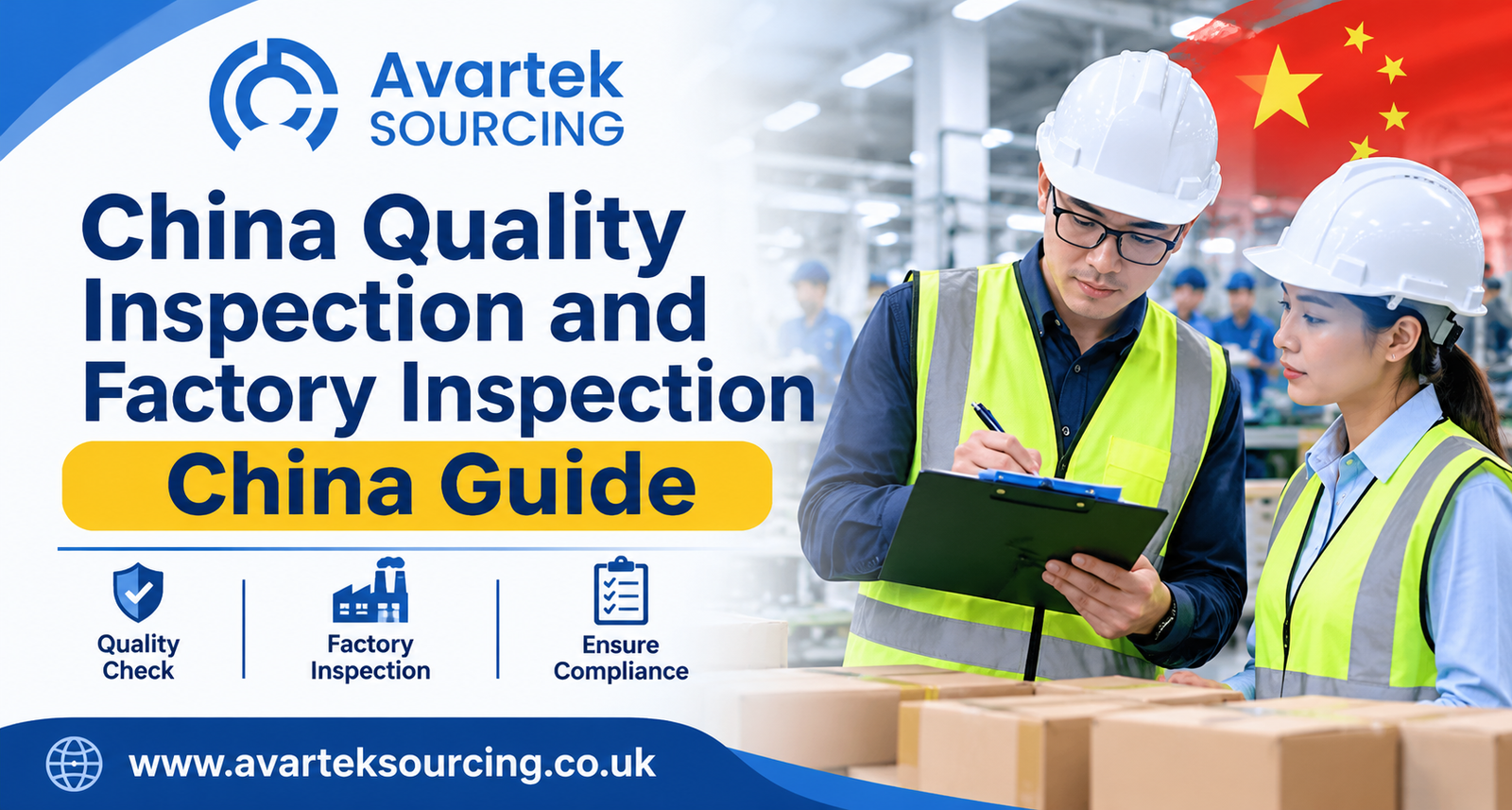
China quality inspection means a trained inspector checks your goods against your own specifications before the supplier ships them. The inspector works on your behalf, not the factory’s.
A typical inspection covers:
- Product count and carton packing
- Dimensions, weight, and materials
- Colour, finish, and visible defects
- Labelling, barcodes, and markings
- Function tests and safety checks where relevant
- Random sampling based on recognised AQL standards
The inspector then delivers a written report with photos, so you can decide whether to approve the shipment, request rework, or hold payment.
How Does Factory Inspection China Work Step by Step?
A good factory inspection china process follows a clear order, so nothing depends on guesswork.
- Brief. You share your specifications, approved samples, and any UK compliance needs.
- Scheduling. The inspector visits the factory when production is finished or nearly finished.
- Sampling. Units are drawn at random from different cartons, not hand picked by the factory.
- Checks. Each sample is measured, tested, and compared against your requirements.
- Report. You receive findings with photographs, usually within a day or so of the visit.
- Decision. You approve, negotiate corrections, or request a re-inspection.
Inspections can also happen earlier. Checking raw materials before production starts, or reviewing a line while it runs, often catches faults when they are cheap to fix.
What Do You Gain From Inspecting Before Shipment?
The main gain is control. You get facts instead of reassurance from a supplier who has every reason to say everything is fine.
Inspection also gives you leverage. If a report shows defects, you can ask for rework before the balance payment is released. Fixing a problem in the factory costs far less than fixing it after the goods reach Felixstowe or Heathrow.
Over time, regular inspections also push suppliers to take your standards seriously. Factories tend to work more carefully when they know a report is coming.
Why Work With Avartek Sourcing?
Avartek Sourcing supports overseas buyers across the full journey, not just the final check. Its services cover product sourcing, inspection services, quality control, brand development, and order process management.
That matters because quality problems rarely start at the end. They often begin with how a supplier was chosen or how a purchase order was written. When one team handles sourcing, quality control, and order follow up, the same people who understand your product also check it before it ships.
Clear communication is a major part of this. You get plain reports, direct answers, and a team that works to your specifications rather than a generic checklist.
Frequently Asked Questions
When is the best time to book an inspection?
Most buyers book a final inspection when at least 80 percent of the goods are packed. For complex products, an additional check during production is worth considering.
Can inspection help with UK compliance?
An inspector can verify that required markings, labels, and documents are present and correct. Legal compliance itself still depends on the product and testing, so confirm requirements for your category before ordering.
What happens if the inspection fails?
You receive a report listing the defects. From there you can ask the factory to sort, repair, or remake the goods, then schedule a re-inspection before shipping.
Is inspection worth it for small orders?
Often yes. A first order with a new supplier carries the highest uncertainty, and a single inspection costs much less than a poor batch of stock you cannot sell.
Do I need to visit the factory myself?
No. A third party inspector acts as your eyes on site, and you review the findings remotely with photos and measurements.
Ready to Check Your Next Order?
If you are importing from China and want certainty before your goods ship, speak with Avartek Sourcing. Share your product details and order timeline, and the team will advise on the right inspection plan for your shipment.