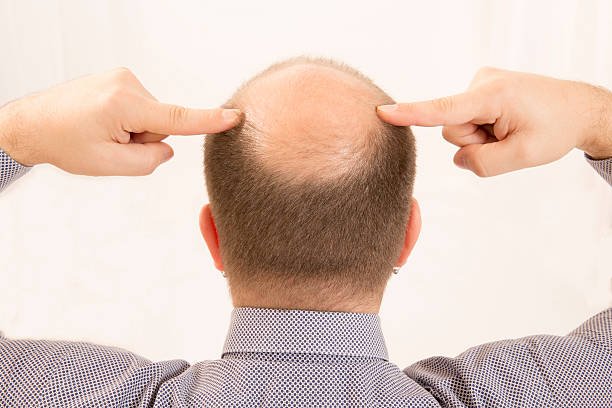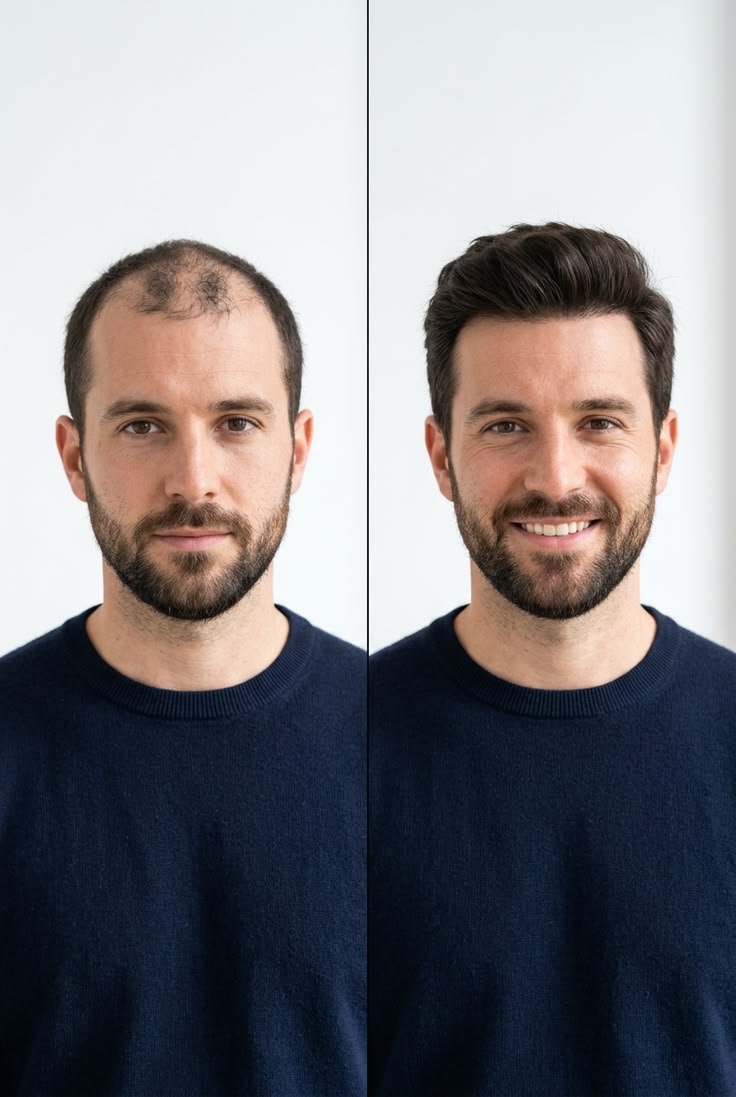
Hair loss is a common concern that affects men and women of different ages. Whether it appears as gradual thinning, a receding hairline, or excessive shedding, losing hair can influence personal appearance and confidence. Several factors, including genetics, hormonal changes, stress, nutritional deficiencies, and medical conditions, can contribute to hair loss.
Fortunately, modern medical advancements have introduced different treatment options to help individuals manage hair concerns and improve hair density. From non-surgical therapies to advanced hair transplantation techniques, patients now have multiple choices depending on their condition and expectations.
Understanding these options is the first step towards making an informed decision. People exploring Hair Loss Treatments in Islamabad can benefit from professional consultations and personalized treatment plans designed to address their individual hair restoration needs.
Understanding the Different Types of Hair Loss
Before choosing a treatment, it is important to understand the type of hair loss a person is experiencing. Different conditions may require different approaches.
Some common types include:
- Androgenetic Alopecia: Also known as hereditary hair loss, this condition causes gradual thinning in men and women.
- Telogen Effluvium: A temporary condition that may cause excessive shedding after illness, stress, surgery, or hormonal changes.
- Alopecia Areata: An autoimmune condition that can cause sudden, patchy hair loss.
- Traction Alopecia: Hair loss caused by repeated pulling from tight hairstyles.
- Hair Loss Due to Nutritional Deficiencies: Insufficient levels of certain nutrients can affect normal hair growth.
Identifying the underlying cause helps specialists recommend suitable treatment options.
Explore Modern Hair Loss Treatment Options
Medical advancements have made hair restoration more personalized. The following treatments may be considered depending on the patient’s condition and medical assessment.
1. Platelet-Rich Plasma (PRP) Therapy
PRP therapy is a non-surgical treatment that uses a concentrated portion of the patient’s own blood. The blood is processed to separate platelet-rich plasma, which is then injected into selected scalp areas.
PRP may help support hair growth in suitable patients. Several sessions may be recommended, depending on the individual’s hair condition and response.
2. Hair Transplantation
Hair transplantation is a surgical procedure that moves healthy hair follicles from a donor area to areas affected by hair loss.
Follicular Unit Extraction (FUE) is a commonly used technique in which individual follicular units are removed and placed into selected areas. It may be suitable for people experiencing hereditary hair loss who have sufficient donor hair.
3. Medical Hair Loss Treatment
Certain medications can help manage specific types of hair loss. Depending on the diagnosis, healthcare professionals may recommend topical or oral treatments.
These options may help slow hair loss or support regrowth. However, they require proper evaluation because effectiveness, suitability, and possible side effects vary between individuals.
4. Low-Level Laser Therapy
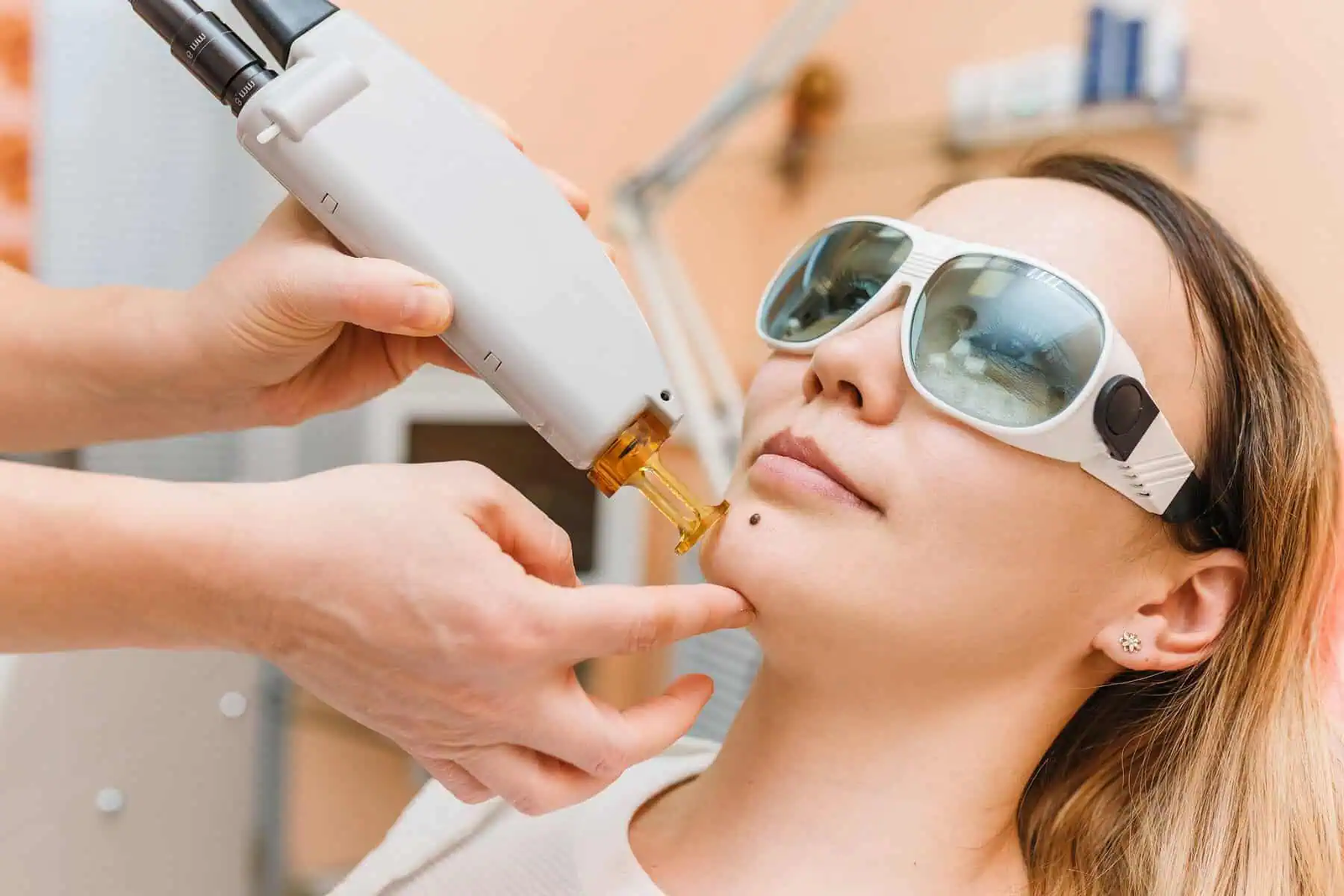
Low-level laser therapy uses specific light wavelengths to target the scalp. It is a non-invasive approach that may support hair growth in some individuals.
Its effectiveness can vary, and patients should discuss realistic expectations with a qualified specialist before starting treatment.
Benefits of Choosing Professional Hair Restoration
Professional hair restoration begins with understanding the patient’s needs rather than selecting a treatment randomly.
Some potential benefits include:
- Personalized treatment recommendations.
- Identification of underlying hair loss causes.
- Access to different medical and cosmetic treatment options.
- Professional guidance about possible risks and benefits.
- Better monitoring of treatment progress.
- Advice about suitable hair care and maintenance.
A qualified specialist can help patients understand which treatments may be appropriate for their specific condition.
The Importance of Early Hair Loss Diagnosis
Early diagnosis can help identify hair loss before it progresses further. People who notice unusual shedding, visible scalp areas, or changes in hair thickness should consider a professional consultation.
A specialist may examine the scalp, review medical history, and recommend blood tests when nutritional deficiencies or hormonal problems are suspected.
Early treatment may be particularly helpful for certain conditions, although not every type of hair loss can be reversed. Avoiding self-medication and unverified hair growth products is also important for maintaining scalp health.
How to Choose the Right Hair Loss Treatment
Selecting the right treatment requires careful consideration. Not every procedure is suitable for every patient, and results can differ significantly.
Before starting treatment, consider the following factors:
- Identify the Cause: Understand whether hair loss is hereditary, temporary, hormonal, or related to another condition.
- Consult a Specialist: Seek advice from a qualified healthcare professional.
- Understand Treatment Options: Learn about the procedure, expected results, recovery, and possible side effects.
- Set Realistic Goals: Discuss what improvements are achievable.
- Follow Aftercare Instructions: Proper care and follow-up appointments can support treatment management.
These steps help individuals make informed decisions about their hair restoration journey.
Daily Habits That Support Healthy Hair Growth
Professional treatments can be supported by simple lifestyle and hair care practices. Although these habits cannot treat every cause of hair loss, they contribute to general hair health.
- Eat a balanced diet containing protein, iron, zinc, and essential vitamins.
- Avoid excessive heat styling and harsh chemical products.
- Choose gentle shampoos suitable for your scalp.
- Avoid tight hairstyles that pull on hair follicles.
- Maintain healthy sleeping habits.
- Manage stress through regular exercise and relaxation.
- Seek medical advice before taking hair growth supplements.
Consistency with healthy habits can help reduce preventable hair damage.
Finding Professional Hair Loss Treatments in Islamabad
Choosing the right clinic is an important part of the hair restoration process. Patients should consider the qualifications of the healthcare provider, experience with different procedures, hygiene standards, and quality of consultation.
Individuals considering Hair Loss Treatments in Islamabad should choose a provider who performs proper assessments and explains the available options clearly.
A reliable treatment approach includes discussing expected outcomes, potential risks, treatment costs, and aftercare requirements. Patients should avoid clinics that promise guaranteed results or immediate hair regrowth.
Conclusion
Modern hair restoration offers several options for managing hair thinning and different types of hair loss. PRP therapy, hair transplantation, medications, and low-level laser therapy may provide suitable solutions for selected individuals.
The best approach depends on the underlying cause, medical history, and personal treatment goals. Exploring professional Hair Loss Treatments in Islamabad can help individuals understand their options and develop a suitable treatment plan for healthier-looking hair.
Frequently Asked Questions (FAQs)
1. What are the most popular Hair Loss Treatments in Islamabad?
Hair Loss Treatments in Islamabad may include PRP therapy, hair transplantation, medical medications, and low-level laser therapy. The appropriate choice depends on the patient’s condition.
2. Can Hair Loss Treatments in Islamabad help with hereditary hair loss?
Yes, some Hair Loss Treatments in Islamabad may help manage hereditary hair loss. Medications and hair transplantation are among the options that specialists may consider.
3. How long do Hair Loss Treatments in Islamabad take to show results?
The timeline varies according to the treatment. Many hair restoration options require several months before noticeable improvements can be evaluated.
4. How can I choose the best Hair Loss Treatments in Islamabad?
To select suitable Hair Loss Treatments in Islamabad, consult a qualified specialist, understand the cause of hair loss, compare treatment options, and discuss realistic expectations.
For more information visit
Enfield royal clinic in islamabad