A tattoo may feel like a mistake when its design looks different from what was expected, the lines appear uneven, or the colors have faded or blurred. A person may also outgrow a design or decide it no longer suits their style. Whatever the reason, an unsatisfactory tattoo does not always have to remain unchanged.
Laser Tattoo Removal in Abu Dhabi can help reduce the appearance of unwanted ink by breaking tattoo pigment into smaller particles. The body then gradually processes those particles over time. The result is not instant, and the amount of fading varies, but laser treatment can offer a practical option for people hoping to clear or soften a failed tattoo.
How Laser Removal Works
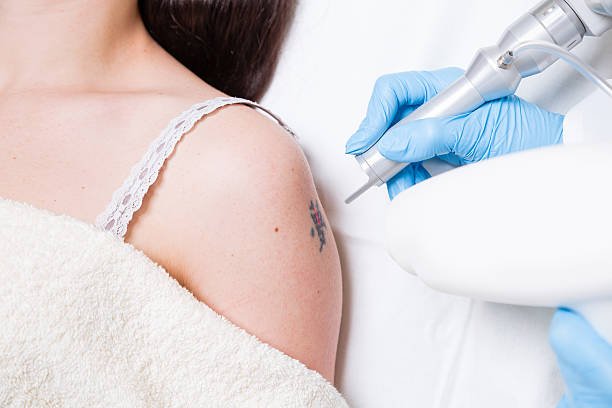
Tattoo ink sits beneath the surface of the skin. A laser delivers brief pulses of light that target pigment in the tattoo. Different ink colors absorb light differently, so the approach may depend on the tattoo’s shades, depth, size, and age.
After the pigment is broken into smaller fragments, the body gradually clears some of them through its normal processes. Treatment is usually spaced across multiple sessions, allowing time between appointments for the skin to recover and the ink to fade. A trained professional can assess the tattoo and explain what may be achievable.
Tattoos That May Respond to Treatment
Laser removal can be considered for many kinds of unwanted tattoos, including designs that were poorly executed or did not heal with the intended appearance. It may also help with tattoos that have uneven shading, misplaced details, or colors that no longer look attractive.
The response depends on individual factors. Some tattoos lighten more readily than others, and complete removal cannot be promised. A consultation can help clarify whether the goal is substantial fading, partial removal, or making the tattoo less noticeable before another design is considered.
Common Reasons People Seek Removal
- A design did not match the original idea.
- Lines or shapes look unbalanced.
- The tattoo has blurred or faded.
- The colors no longer suit the person’s preferences.
- The person wants the area cleared or lightened.
What Affects the Results?
Several details influence how quickly and how fully a tattoo may fade. Dark ink often responds differently from lighter or more complex colors. The tattoo’s size, density, location, and depth can also matter. Older tattoos may have already faded somewhat, while fresh or heavily layered designs may need a different treatment plan.
Skin tone and the way a person’s skin responds to light are also considered when selecting settings. For this reason, treatment should be planned individually rather than based only on someone else’s experience. A professional assessment can set realistic expectations and help determine a suitable interval between sessions.
The Treatment Process
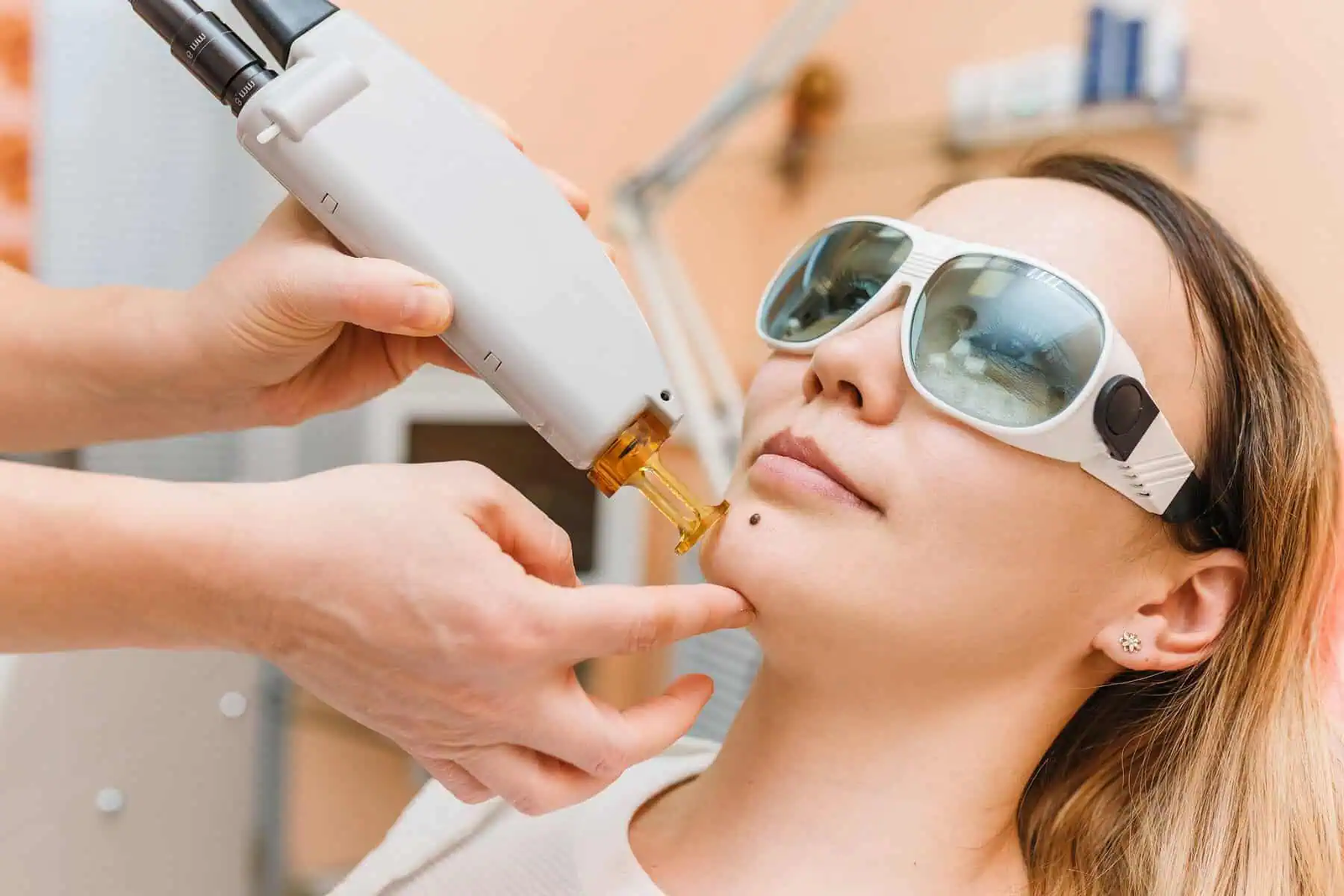
The process generally begins with a discussion of the tattoo, the person’s goals, and relevant skin history. The area can then be examined so the professional can estimate the likely response and outline a plan. During a session, protective eyewear is used, and the laser is applied to the tattoo in short pulses.
Each appointment treats only part of the overall fading process. The tattoo may look different as it gradually lightens, and the appearance can continue changing between sessions. People should follow the individualized instructions they receive and contact the treating professional if they have questions about how the area is healing.
Setting Realistic Expectations
Laser treatment is a gradual process, not an instant eraser. Some tattoos become much less visible, while others retain faint traces of pigment. A person seeking removal should discuss their preferred outcome openly, since complete clearance may not be possible for every tattoo.
It can also be helpful to consider whether the goal is to remove the design entirely or simply make it less prominent. For some people, fading may be enough to feel more comfortable. For others, it may provide a starting point for discussing a different design with a qualified tattoo professional.
Choosing a Qualified Professional
A careful assessment matters because safe, considered treatment depends on appropriate equipment and experience. The person should feel comfortable asking how the tattoo’s characteristics affect the plan, what level of fading may be realistic, and how progress will be reviewed.
Clear communication can prevent misunderstandings. A professional should explain the process in straightforward language, answer questions, and avoid guaranteeing a particular result. The person should share relevant information about the tattoo and their skin so the assessment can be tailored appropriately.
Frequently Asked Questions
Can laser treatment remove a badly done tattoo?
Laser treatment may reduce the appearance of a poorly done tattoo by fading its pigment. The degree of improvement varies with the ink, design, skin, and other individual factors. An assessment is the best way to understand what may be achievable.
How many sessions may be needed?
There is no single number that applies to every tattoo. The required sessions depend on the tattoo’s size, colors, depth, and response to earlier treatments. The professional can review progress over time and adjust the plan if needed.
Can every ink color be removed?
Different colors respond differently to laser light. Some shades may be more challenging to fade than others, particularly when a design contains several pigments. A professional can assess the specific colors and explain likely limitations.
Does the tattoo disappear immediately?
No. The fading process takes place gradually, with time between sessions. The body needs time to clear pigment fragments, so visible changes typically develop over a period rather than during a single appointment.
Is complete removal guaranteed?
No. Although some tattoos fade considerably, complete removal cannot be guaranteed. The outcome depends on the tattoo and the individual. Discussing realistic goals before treatment can help a person make an informed decision.
A Considered Option for an Unwanted Design
A failed tattoo can affect how someone feels about their appearance, but it does not have to define their choices. Laser treatment may help reduce unwanted ink and create a more satisfying result over time. With an individualized assessment, realistic expectations, and a gradual plan, a person can decide whether Laser Tattoo Removal in Abu Dhabi suits their goals.