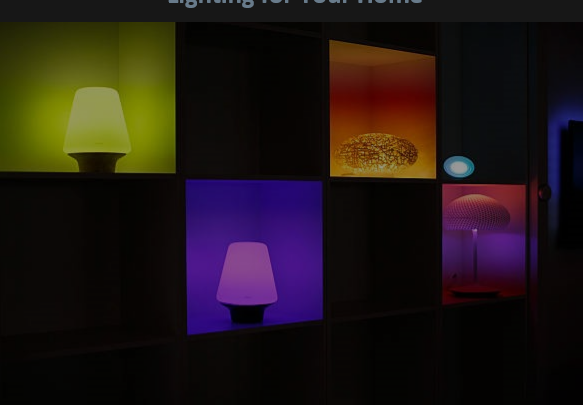
Lighting can completely change how a room feels before a single piece of furniture moves. Smart lamps can bring scheduling, adjustable brightness, or app-based control into the space, while decorative lights may focus more on atmosphere, color, shape, and visual character. The better choice depends on whether the room needs practical automation, a stronger design statement, or a balance of both. Placement and daily habits matter just as much as appearance.
So, before choosing a light simply because it looks good or has smart features, read on to understand where smart lamps and decorative lights work best around the home.
Key Takeaways
- Smart lighting offers adjustable brightness, scheduling, and convenient control, while decorative lights emphasize visual appeal.
- Decorative fixtures can complement interior themes through their materials, shapes, and finishes.
- Brightness, color temperature, and light placement determine how effectively a fixture serves its purpose.
- Installation requirements and long-term maintenance should influence purchasing decisions.
- Combining functional and decorative lighting can create a balanced home environment.
6 Key Differences Between Smart Lamps and Decorative Lights
- Lighting Control and Convenience
One major difference between smart lamps and decorative lights is how users control them.
Smart models may connect through Wi-Fi, Bluetooth, or compatible smart-home hubs. Depending on the product, users can adjust brightness, change colors, or create lighting schedules through an app.
Traditional decorative fixtures generally rely on physical switches, although some support dimmers or compatible smart bulbs.
Consider these differences:
- Smart Lighting: Offers app control, automated schedules, and sometimes voice commands.
- Decorative Lighting: Typically provides straightforward manual operation.
- Hybrid Options: Combine decorative fixture designs with compatible smart bulbs.
For households that frequently adjust lighting throughout the day, a remote control offers greater flexibility.
- Appearance and Interior Style
Decorative lights often serve as visible design features rather than simply providing illumination.
Pendant fixtures can emphasize dining tables, sculptural table lamps can complement living room furniture, and wall sconces can add character to hallways.
Their visual appeal comes from details such as:
- Glass or ceramic shades
- Metal and wooden finishes
- Geometric or curved silhouettes
- Fabric textures and patterns
Smart models are available in modern and traditional designs, but some prioritize technological features over decorative detailing.
For example, a brass table lamp with a fabric shade may complement a classic bedroom, while a minimalist LED light bar may suit a contemporary workspace.
Choose a fixture that feels consistent with the surrounding furniture and architectural style.
- Brightness and Light Quality
Smart lamps and decorative lights differ in how users can adjust brightness, color temperature, and overall illumination.
Smart lighting often allows users to adjust brightness and switch between warm and cool tones through an app or built-in controls. This flexibility makes it suitable for rooms used for multiple activities, such as reading, working, and relaxing.
Decorative lights, on the other hand, usually provide lighting based on the installed bulb and fixture design. Their shades and materials can diffuse light, create patterns, or produce a softer glow that enhances a room’s atmosphere.
Before choosing either option, consider:
- Lumens: Smart models may offer adjustable output, while conventional decorative fixtures depend on their bulbs and available dimming controls.
- Color Temperature: Many smart models support adjustable tones, whereas traditional fixtures generally require a different bulb to change color temperature.
- Light Distribution: Directional smart models can focus illumination, while decorative shades influence how light spreads throughout a room.
For spaces requiring flexible illumination, smart lighting offers greater control. Decorative fixtures are useful when visual character and a consistent lighting atmosphere are priorities.
- Energy Use and Operating Costs
Electricity consumption depends primarily on the light source, its wattage, and how long it operates.
Both smart and decorative fixtures can use energy-efficient LED technology. Therefore, neither category automatically guarantees lower electricity costs.
Smart lighting may provide scheduling and automatic shut-off features that help prevent unnecessary operation. However, connected models can consume small amounts of standby electricity.
Decorative LED fixtures without connected features generally avoid that additional network-related consumption.
Compare the actual wattage, expected operating hours, and the light source’s replaceability.
For instance, a 9W LED operated for five hours consumes approximately 0.045 kilowatt-hours, excluding any additional standby consumption.
- Installation and Device Compatibility
Installation requirements can influence which lighting option is more practical for a particular room.
Many decorative table lamps require only a suitable electrical outlet. Hardwired pendants and wall sconces, however, may need professional installation.
Connected lighting products can introduce additional setup requirements, especially when integrated with other digital gadgets in a smart-home system.
Before purchasing, check:
- Whether the fixture requires a hub or direct wireless connection.
- Compatibility with existing smart-home platforms.
- Whether the installation involves electrical wiring.
- Availability of physical controls when internet connectivity fails.
Some smart features work locally, while others depend on internet-connected services.
Checking compatibility beforehand prevents unnecessary setup difficulties.
- Maintenance and Long-Term Value
Long-term ownership involves more than the initial purchase price.
Decorative fixtures with replaceable bulbs can remain useful for years when their components are properly maintained. Cleaning shades and replacing bulbs are often sufficient.
Meanwhile, smart lamps may require occasional firmware updates, app support, or troubleshooting to maintain their connected features.
For products with integrated LEDs, consider whether the light source can be replaced if it fails.
While trending gadgets sometimes attract attention with unusual lighting effects, practical features, and reliable product support usually offer greater long-term value.
A well-constructed fixture that remains useful as room arrangements change can be a worthwhile investment, regardless of its technology.
Conclusion
The right lighting choice depends on what a room needs most. Smart lamps are useful when adjustable brightness, scheduling, app control, or integration with other devices matters, while decorative lights are often better suited to spaces where visual character and a consistent atmosphere take priority. Neither option is automatically better in every setting. Brightness, placement, installation, compatibility, energy use, and long-term maintenance should all influence the decision.
For many homes, combining both approaches creates the most practical result. A decorative fixture can provide style, while smart lighting features add flexibility where they are genuinely useful. Choosing with the room, routine, and long-term use in mind can lead to lighting that feels both functional and well considered.
FAQs
Can charger stands be placed beside bedside lighting?
Yes. Position the charger away from hot fixtures and ensure both products have adequate ventilation and separate, accessible electrical connections.
Can decorative lights synchronize with music?
Some compatible lighting systems support audio-responsive effects through apps, microphones, or integrations with supported speaker accessories and entertainment equipment.
Can smart lighting work with regular wall switches?
Yes, but switching off the power may disable connected features until electricity is restored. Compatibility depends on the lighting system.
Are connected lighting products suitable for outdoor spaces?
Only models with appropriate outdoor ratings should be used. Check weather resistance, electrical protection, and installation requirements before placement.
What happens when a lighting manufacturer stops supporting its app?
App-dependent features may become unavailable. Products supporting local controls or established connectivity standards may offer greater long-term flexibility.