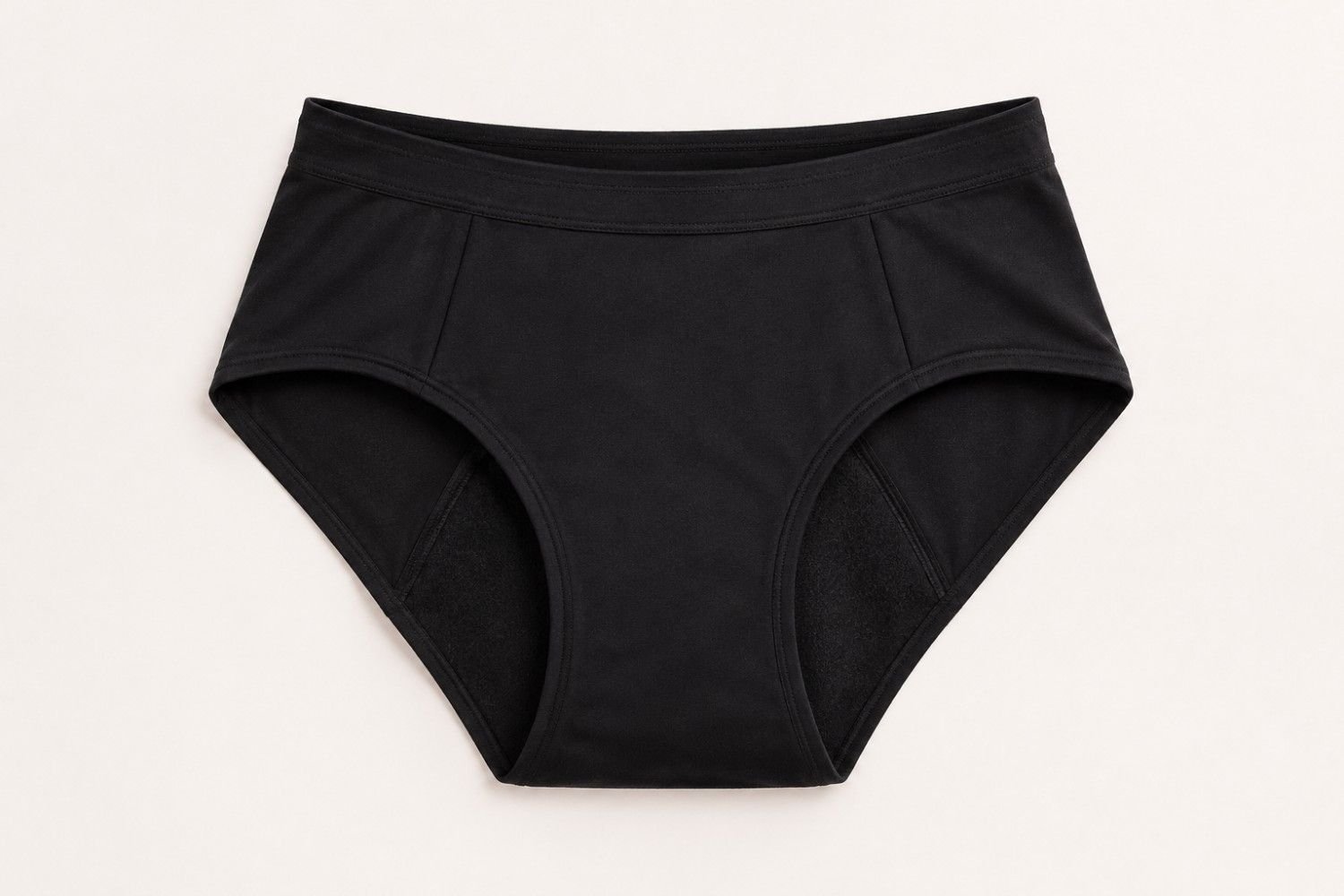
Urine leakage can happen to people at different stages of life, and managing it comfortably is important for maintaining confidence and enjoying everyday activities. Whether it occurs during exercise, coughing, sneezing, or sudden urges to urinate, choosing suitable protection can make daily routines easier. Modern underwear for urine leakage is designed with absorbent materials and leak-resistant layers that help manage accidental drips while providing the familiar feel of regular underwear. Understanding its features, benefits, and available styles can help you find an option that suits your personal needs.
Although occasional leakage may seem like a minor inconvenience, it can affect clothing choices, travel plans, work, exercise, and social activities. Some people experience small leaks during physical movement, while others deal with sudden urges or difficulty reaching a bathroom in time. The right protective underwear can offer an additional layer of security, but choosing the correct absorbency and fit is essential.
This guide explains how protective underwear works, what features to look for, and how to select a comfortable option for everyday use.
What Is Underwear for Urine Leakage?
Underwear for urine leakage is specially designed underwear that helps absorb small amounts of accidental urine and reduce the risk of moisture reaching outer clothing. It generally looks similar to regular underwear but includes additional absorbent and protective layers.
Unlike ordinary underwear, these garments are constructed to manage moisture and provide extra protection against minor leaks. Depending on the product, they may be suitable for light bladder leakage or other specified levels of urinary incontinence.
Most designs include three important layers:
- Moisture-wicking layer: Helps move moisture away from the skin’s surface.
- Absorbent layer: Collects and holds urine to help manage dampness.
- Leak-resistant layer: Helps reduce the possibility of moisture passing through the garment.
The exact construction and absorbency vary between products. Therefore, checking the manufacturer’s specifications is important before purchasing.
What Causes Urine Leakage?
Urine leakage, also known as urinary incontinence, refers to the accidental loss of urine. It can occur for different reasons and may affect people of different ages.
Understanding the possible causes can help individuals identify suitable protection and decide when to seek medical advice.
1. Stress Urinary Incontinence
Stress urinary incontinence happens when pressure on the bladder causes small amounts of urine to leak. This may occur during:
- Coughing or sneezing.
- Laughing.
- Running or jumping.
- Lifting heavy objects.
- Exercising or performing certain physical activities.
It is often associated with weakened pelvic floor muscles or changes affecting bladder support.
2. Urge Urinary Incontinence
This type involves a sudden, strong urge to urinate that may be difficult to control. Sometimes, a person may not reach the bathroom in time.
It can be associated with an overactive bladder or other urinary conditions.
3. Mixed Urinary Incontinence
Some individuals experience symptoms of both stress and urge urinary incontinence. For example, they may notice leakage while exercising as well as sudden urges to urinate.
4. Other Possible Causes
Urinary leakage can also be associated with pregnancy, childbirth, menopause, certain medications, urinary tract infections, neurological conditions, or other health concerns.
Persistent or new leakage should not automatically be considered a normal part of ageing. A healthcare professional can help identify the cause and recommend appropriate treatment.
Important Features to Look for in Protective Underwear
Not all protective underwear provides the same level of performance. Before buying a product, compare its construction, comfort, absorbency, and care requirements.
1. Absorbency Capacity
Absorbency is one of the most important features to consider. Some garments are designed for occasional drips, while others can manage larger amounts of urine.
Choose according to your actual needs:
- Light leakage: Look for products designed for occasional drips.
- Moderate leakage: Consider garments with a higher stated absorbency capacity.
- Heavier leakage: Look for products specifically rated for higher volumes and discuss suitable management options with a healthcare professional.
Do not assume that every protective garment can replace an incontinence pad or other medical product. Always check the stated capacity and intended use.
2. Moisture-Wicking Fabric
A moisture-wicking inner layer can help move liquid away from the skin. This may improve comfort by reducing the sensation of wetness.
Soft, breathable materials are also worth considering, particularly for people who wear protective underwear for several hours.
3. Leak-Resistant Construction
A leak-resistant barrier helps prevent absorbed moisture from reaching outer clothing. This feature can be useful during everyday activities.
However, leak resistance is not the same as complete waterproof protection. The garment’s performance depends on its absorbency, fit, construction, and how much liquid it receives.
4. Comfortable Fit
A good fit helps protective underwear stay in place and allows its absorbent area to work effectively.
Look for:
- A waistband that feels secure without digging into the skin.
- Leg openings that fit comfortably.
- Stretchable material that supports movement.
- A gusset that sits correctly against the body.
- No excessive bunching beneath clothing.
Use the manufacturer’s size chart rather than relying only on your usual underwear size.
5. Reusable and Washable Design
Some protective garments are designed for repeated use. These can be washed according to the care instructions and reused when their absorbency and condition remain suitable.
Reusable designs may reduce dependence on disposable products, although they require regular cleaning, proper drying, and occasional replacement.
Benefits of Using Underwear for Urine Leakage
Protective underwear can support everyday comfort by combining a familiar garment with additional absorbency.
1. More Confidence During Daily Activities
Worrying about accidental leaks can make people hesitant to participate in social events, work activities, or exercise.
A suitable protective garment can provide an extra layer of security and help reduce concerns about minor leaks.
2. Convenient for Everyday Wear
Many designs look similar to regular underwear. This makes them easy to incorporate into daily clothing routines.
Depending on the product, they may be worn under office clothing, casual outfits, or comfortable homewear.
3. Helps Manage Minor Accidental Leaks
For people experiencing occasional drips, protective underwear may help absorb small amounts of urine and reduce moisture reaching outer clothing.
It is important to choose a product designed for the specific level of leakage.
4. Reusable Options Can Be Practical
Washable protective underwear can be used repeatedly when maintained correctly. This may be convenient for people who prefer reusable personal care products.
However, reusable garments should be replaced when the absorbent layers become damaged or stop performing effectively.
5. Different Styles and Designs
Protective underwear is available in different cuts and sizes. This allows individuals to select a design based on coverage, clothing preferences, and comfort.
The best option is not necessarily the most expensive one. It is the garment that provides suitable protection without causing discomfort.
How to Choose the Right Underwear for Urine Leakage
Selecting the right product becomes easier when you understand your leakage pattern and daily requirements.
1. Identify Your Leakage Level
Start by considering how frequently leakage occurs and approximately how much urine is released.
For example, someone who experiences occasional drips while sneezing may need a different product from someone who experiences repeated leakage throughout the day.
If you are unsure about the amount or cause, speak with a healthcare professional.
2. Choose the Right Size
Incorrect sizing can affect both comfort and protection.
Underwear that is too loose may shift during movement, while a tight garment can create pressure and irritation.
Before buying, check the waist and hip measurements in the brand’s size chart. If you are between sizes, follow the manufacturer’s sizing guidance.
3. Consider Your Lifestyle
Your daily routine should influence your choice.
Think about where you are most likely to wear the garment:
- At work or during long office hours.
- While travelling or commuting.
- During walking and light exercise.
- At home while completing daily activities.
- During social gatherings and outings.
If you spend long hours outside, carrying a spare garment and a separate storage pouch can be helpful.
4. Compare Reusable and Disposable Options
Reusable underwear is washable and designed for repeated use. Disposable incontinence products are discarded after use and may be convenient when laundry facilities are unavailable.
Consider the following:
| Feature | Reusable Protective Underwear | Disposable Protection |
|---|---|---|
| Usage | Multiple uses with proper care | Single use |
| Cleaning | Requires washing and drying | No washing required |
| Convenience | Useful when laundry is accessible | Convenient for travel |
| Waste | Can reduce disposable waste | Creates recurring waste |
| Product choice | Check durability and absorbency | Available in different absorbency levels |
Some people use a combination depending on their routine and protection needs.
5. Read Product Care Instructions
Before purchasing reusable underwear, check how it should be washed and dried.
The correct care routine helps protect the fabric and absorbent layers. It also supports hygiene and may extend the garment’s useful life.
Hygiene Tips for Wearing Protective Underwear
Good hygiene is essential when using any product that absorbs urine.
Prolonged exposure to moisture can cause skin irritation, so protective underwear should not be treated as a substitute for regular changing and cleaning.
Follow these practical tips:
- Change the garment when it becomes wet or reaches its absorbency limit.
- Clean the skin gently after leakage.
- Dry the skin before wearing a fresh garment.
- Wash reusable underwear according to the care label.
- Avoid strong cleaning products if they may damage the fabric.
- Allow washable garments to dry completely before storing them.
- Keep used underwear separate from clean clothing while travelling.
If you experience persistent redness, itching, soreness, or a rash, consider seeking medical advice.
When Should You Consult a Healthcare Professional?
Protective underwear can help manage symptoms, but it does not treat the underlying cause of urinary leakage.
Consider speaking with a healthcare professional if:
- Leakage happens frequently or is getting worse.
- You experience sudden or difficult-to-control urges.
- Urination causes pain or burning.
- You notice blood in your urine.
- You have repeated urinary tract infections.
- Leakage interferes with sleep or everyday activities.
Seek prompt medical attention if urinary symptoms occur with fever, severe pain, or an inability to pass urine.
Depending on the cause, treatment may include bladder training, pelvic floor exercises, lifestyle changes, medication, or other medical approaches. A healthcare professional can help determine what is appropriate.
Common Mistakes to Avoid When Buying Protective Underwear
A little research before purchasing can help you avoid discomfort and unsuitable protection.
Watch out for these common mistakes:
- Choosing a product without checking its absorbency rating.
- Assuming all protective underwear handles the same amount of urine.
- Buying the wrong size.
- Ignoring fabric quality and breathability.
- Wearing a saturated garment for too long.
- Skipping washing and drying instructions.
- Expecting light-leakage underwear to manage heavy incontinence.
- Ignoring persistent urinary symptoms instead of seeking medical advice.
The right product should support your routine while meeting your actual protection requirements.
Final Thoughts
Managing accidental urine leakage does not have to mean giving up everyday comfort or confidence. The right protective underwear can provide additional support during work, travel, exercise, and daily activities. Before choosing a product, consider its absorbency, fabric, fit, reusability, and care requirements. It is equally important to understand that protective garments manage leakage rather than treat its underlying cause. Exploring suitable options from Revaaforyou can help you compare reusable designs and find a product that matches your personal comfort and protection needs.
FAQs
1. What is underwear for urine leakage used for?
It is designed to absorb accidental urine leaks and help reduce moisture reaching outer clothing. Different products are made for different levels of leakage, so checking the absorbency rating is important.
2. Can protective underwear replace regular underwear?
Yes. Many designs are made to be worn like regular underwear while providing additional absorbency. However, the garment should be changed and cleaned according to its instructions and the amount of leakage.
3. Is reusable underwear for urine leakage hygienic?
Reusable protective underwear can be hygienic when washed, dried, and stored correctly. Follow the manufacturer’s care instructions and avoid wearing a garment that remains damp or has reached its absorbency limit.
4. How do I choose the right absorbency level?
Consider how frequently leakage occurs and the amount of urine released. Choose a product with a clearly stated absorbency capacity that matches your needs. Consult a healthcare professional if you are unsure about the severity of your symptoms.
5. Can underwear for urine leakage be worn during exercise?
Some designs may be suitable for walking, light exercise, or other activities, depending on their fit and absorbency. Check the product specifications and choose a garment that stays comfortably in place during movement.