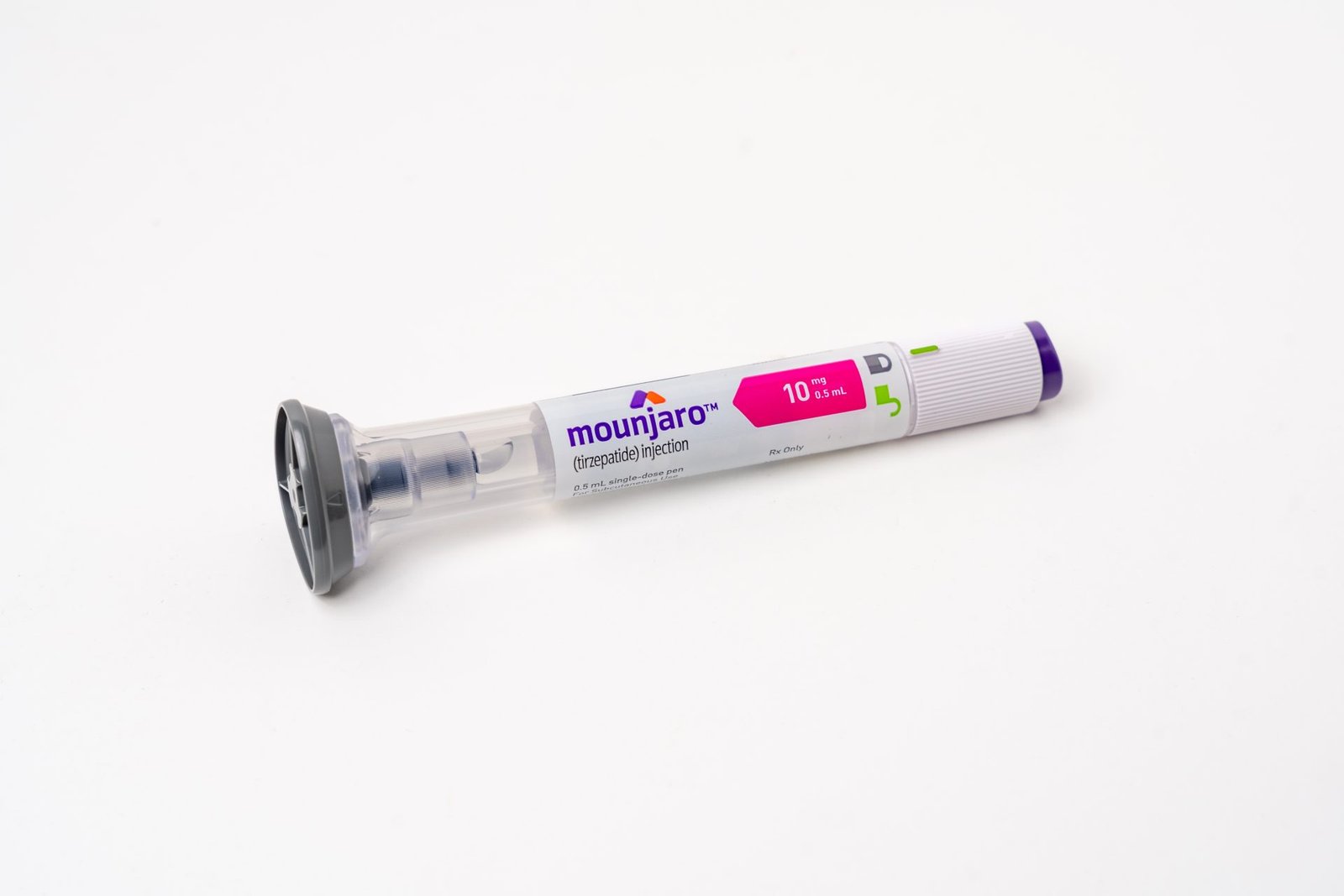
Mounjaro has gained attention as a treatment option for managing type 2 diabetes and supporting weight management. While many people focus on its potential benefits, questions about possible side effects are equally important. One concern that some individuals have is whether Mounjaro injections can contribute to hair loss. Although hair thinning is not considered one of the most common direct side effects of this medication, some people may notice increased hair shedding during treatment, particularly when experiencing significant weight changes.
For individuals considering Mounjaro Injection in Muscat, understanding the relationship between this medication, weight loss, and hair health can help set realistic expectations. Hair loss can have several underlying causes, and identifying the reason is essential before making changes to a treatment plan. With the right nutritional support, healthy lifestyle habits, and appropriate medical guidance, many cases of temporary hair shedding can be managed effectively.
1. Understanding Mounjaro and Its Possible Side Effects
Mounjaro is the brand name for tirzepatide, a prescription medication used to improve blood sugar control in adults with type 2 diabetes. It works by activating two hormone receptors known as GIP and GLP-1, which help regulate blood glucose levels, appetite, and digestion.
By influencing these hormones, Mounjaro can help individuals feel fuller for longer, reduce appetite, and consume fewer calories. These effects may also contribute to significant weight loss in some people.
Like other prescription medications, Mounjaro can cause side effects. The most commonly reported include:
- Nausea and vomiting
- Diarrhea
- Constipation
- Reduced appetite
- Abdominal discomfort
- Indigestion
- Injection-site reactions
Hair loss is not listed among the most common direct adverse reactions in clinical trials. However, some individuals may experience hair thinning while taking the medication.
In many cases, the hair shedding may be associated with rapid weight loss, reduced calorie intake, or nutritional deficiencies rather than a direct effect of tirzepatide on hair follicles.
2. Can Mounjaro Injection Cause Hair Loss?
Mounjaro may be associated with hair loss in some individuals, although the relationship is not necessarily direct. Hair thinning has been reported in people using tirzepatide, particularly in the context of weight management.
One possible explanation is a condition called telogen effluvium. This is a temporary form of hair shedding that occurs when more hair follicles than usual enter the resting phase of the hair growth cycle.
Normally, hair grows in different stages, including growth, transition, resting, and shedding. When the body experiences significant physical stress, such as rapid weight loss or inadequate nutrition, this cycle can become disrupted.
As a result, increased hair shedding may become noticeable several weeks or months after the triggering event.
This type of hair loss is generally temporary. Once the underlying cause is addressed and the body receives adequate nutrition, normal hair growth often gradually resumes.
However, not every case of hair loss during Mounjaro treatment is related to weight changes. Hormonal conditions, genetics, thyroid disorders, stress, and other medications can also contribute.
3. Why Does Hair Loss Happen During Mounjaro Treatment?
Several factors may explain why some individuals experience hair thinning while using Mounjaro.
Rapid Weight Loss
One of the most likely explanations is rapid weight reduction. When the body loses weight quickly, it may interpret the change as a form of physical stress.
This can temporarily interrupt the normal hair growth cycle and cause more hair follicles to enter the resting phase. Increased shedding may become noticeable approximately two to three months after substantial weight loss.
This phenomenon is not exclusive to Mounjaro. It can also occur after bariatric surgery, restrictive dieting, and other forms of significant weight reduction.
Reduced Protein Intake
Protein is essential for healthy hair because hair strands are primarily composed of a protein called keratin.
Mounjaro can reduce appetite, making it easier for individuals to eat less than their bodies require. If daily protein intake becomes insufficient, hair growth may be affected.
A balanced diet containing eggs, fish, poultry, dairy products, beans, lentils, and other protein-rich foods can help support normal hair health.
Nutritional Deficiencies
Eating significantly less food may also reduce the intake of important vitamins and minerals.
Some nutrients associated with healthy hair growth include:
- Iron: Helps support oxygen delivery to hair follicles.
- Zinc: Contributes to normal tissue growth and repair.
- Vitamin D: Plays a role in healthy follicle function.
- Vitamin B12: Supports normal cell production.
- Biotin: Contributes to normal hair health, particularly when a deficiency is present.
- Protein: Provides the building blocks required for hair structure.
Nutritional deficiencies do not occur in everyone using Mounjaro, but they may become a concern when food intake is consistently inadequate.
Physical and Emotional Stress
Weight changes, dietary adjustments, changes in blood sugar levels, and emotional stress can place additional demands on the body.
Stress may influence the hair growth cycle and contribute to temporary shedding.
When several factors occur together, hair thinning may become more noticeable.
4. How to Prevent or Manage Hair Loss While Using Mounjaro
Although hair shedding cannot always be prevented, certain habits may help maintain healthy hair and reduce the risk of nutrition-related hair problems.
Maintain a Balanced Diet
A nutrient-rich diet is one of the most important ways to support hair health during weight management.
Individuals using Mounjaro should aim to include sufficient protein, healthy fats, vegetables, fruits, and whole grains in their daily meals.
Even when appetite decreases, the body still requires essential nutrients to maintain normal functions, including hair growth.
Avoid Excessively Restrictive Diets
Reducing calorie intake too drastically may increase the risk of nutritional deficiencies and temporary hair shedding.
Weight management should focus on sustainable dietary habits rather than extreme restrictions.
A gradual approach to weight reduction can help the body adapt more comfortably to changes in energy intake.
Stay Hydrated
Adequate hydration supports overall health and helps maintain normal bodily functions.
Although drinking more water does not directly prevent hair loss, maintaining hydration is important, particularly for individuals experiencing gastrointestinal side effects such as vomiting or diarrhea.
Manage Stress
Stress management can contribute to overall well-being and may help reduce one potential trigger of temporary hair shedding.
Activities such as walking, gentle exercise, meditation, sufficient sleep, and relaxation techniques can support a healthier lifestyle.
Use Gentle Hair Care Practices
Hair that is already shedding may be more vulnerable to breakage.
Helpful habits include:
- Avoiding excessive heat styling.
- Limiting harsh chemical treatments.
- Using gentle shampoos and conditioners.
- Avoiding tight hairstyles that pull on the roots.
- Brushing carefully, especially when hair is wet.
- Avoiding aggressive scalp treatments.
These measures cannot correct an underlying nutritional deficiency, but they can help minimize additional hair damage.
5. When Should Someone Seek Medical Advice About Hair Loss?
Some hair shedding is normal, but noticeable or persistent hair loss should not be ignored.
Individuals using Mounjaro should consider seeking medical advice if they experience:
- Sudden or excessive hair shedding.
- Noticeable thinning across the scalp.
- Bald patches or clearly defined areas of hair loss.
- Scalp irritation, redness, or discomfort.
- Hair loss that continues for several months.
- Additional symptoms such as fatigue, weakness, or unexplained changes in weight.
A healthcare professional may review the individual’s medication history, dietary habits, weight changes, and general health.
Depending on the symptoms, blood tests may be recommended to investigate possible underlying causes. These may include a complete blood count, iron studies, thyroid function tests, vitamin B12, or vitamin D levels.
Identifying the actual cause is important because different forms of hair loss require different approaches.
Individuals should not stop Mounjaro, change their dosage, or start hair-growth supplements without discussing the decision with an appropriate healthcare professional.
6. Does Hair Grow Back After Mounjaro-Related Hair Loss?
In many cases, hair loss associated with rapid weight reduction or nutritional changes is temporary.
If the shedding is caused by telogen effluvium, hair follicles generally remain active. This means that the condition does not usually result in permanent damage to the follicles.
Once the underlying trigger is addressed, the hair growth cycle can gradually return to normal.
However, recovery takes time. Hair growth is a slow process, and visible improvements may take several months.
Some individuals may notice reduced shedding before they see meaningful improvements in hair thickness or length.
The recovery period depends on several factors, including:
- The amount and speed of weight loss.
- The individual’s nutritional status.
- Existing health conditions.
- Hormonal balance.
- Genetic factors.
- Whether the underlying trigger has been corrected.
If hair thinning continues despite improved nutrition and stable weight, further evaluation may be necessary to rule out other conditions.
Frequently Asked Questions
1. Is hair loss a common side effect of Mounjaro?
Hair loss is not among the most common direct side effects of Mounjaro. However, some individuals experience hair shedding during treatment. This may be associated with rapid weight loss, reduced calorie intake, or nutritional deficiencies rather than a direct effect of the medication.
2. How long after starting Mounjaro can hair loss begin?
Hair shedding may become noticeable several weeks or months after starting treatment, particularly if an individual experiences significant weight loss. Telogen effluvium commonly develops around two to three months after a physical or nutritional trigger.
3. Is Mounjaro-related hair loss permanent?
In many cases, hair shedding associated with rapid weight loss is temporary. Once the underlying cause is addressed, hair growth may gradually return. However, persistent or unusual hair loss should be evaluated to identify other possible causes.
4. Can taking vitamins prevent hair loss while using Mounjaro?
Vitamins and minerals can support normal hair health when an individual has a nutritional deficiency. However, supplements are not guaranteed to prevent hair loss. Nutritional needs should ideally be assessed before starting supplements, as excessive intake of certain vitamins and minerals may also cause problems.
5. Should someone stop Mounjaro if they experience hair loss?
Stopping Mounjaro is not necessarily required when hair shedding occurs. The underlying cause should first be investigated. Individuals should discuss their symptoms with a healthcare professional before making any changes to their prescribed treatment.
6. What foods can help support hair growth during Mounjaro treatment?
Protein-rich foods such as eggs, fish, poultry, beans, lentils, and dairy products can help support healthy hair. Iron-containing foods, leafy green vegetables, nuts, seeds, fruits, and whole grains can also contribute important nutrients. A varied and balanced diet is particularly important when appetite is reduced.
Conclusion
Mounjaro may be associated with hair shedding in some individuals, but hair loss is not considered one of its most common direct side effects. In many situations, the connection may involve rapid weight loss, reduced calorie intake, nutritional deficiencies, or physical stress.
Maintaining a balanced diet, consuming adequate protein, avoiding overly restrictive eating habits, and monitoring overall health can help support normal hair growth during treatment. Although temporary hair shedding may improve over time, persistent or excessive hair loss deserves appropriate evaluation.
Understanding the possible causes allows individuals to make informed decisions about their treatment while prioritizing both their weight management goals and overall well-being.
Read More About Mounjaro Injection in Muscat: https://cityofarticle.in.net/view_article.php?id=29981&slug=mounjaro-injection-how-to-handle-weight-loss-plateaus