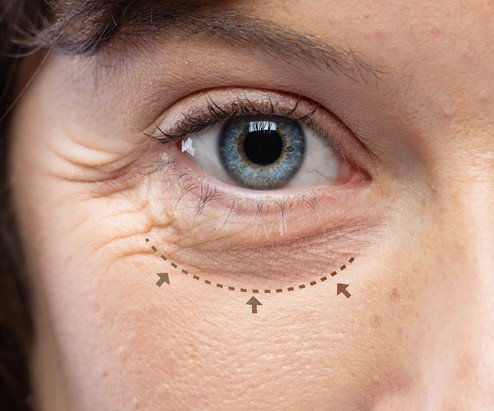
The appearance of the upper eyelids plays an important role in facial expression, eye definition and overall facial balance. Over time, changes in skin elasticity can cause the upper eyelids to develop loose or excess skin that gradually hangs over the natural eyelid crease. For some people, this creates a tired or heavy appearance, while others may notice that the extra skin interferes with everyday activities such as reading or looking upwards.
Upper eyelid skin excess is one of the main considerations when planning blepharoplasty. However, successful treatment involves much more than simply removing loose skin. A surgeon must examine the eyelid structure, skin thickness, eyebrow position, natural creases and underlying tissues before deciding on the most appropriate surgical approach.
For individuals considering Blepharoplasty Dubai, understanding how excess upper eyelid skin influences surgical planning can help create realistic expectations and support informed treatment decisions. At Cornerstone Clinic, an individual assessment is important for determining the amount of skin that needs to be addressed while maintaining natural eyelid proportions.
Understanding Upper Eyelid Skin Excess
Upper eyelid skin excess, medically known as dermatochalasis, occurs when the skin around the upper eyelids becomes loose and loses some of its natural elasticity. This change is commonly associated with ageing, although genetics, facial anatomy and individual skin characteristics can influence when it develops.
As the skin gradually becomes less firm, it may begin to fold over the natural upper eyelid crease. In some individuals, the excess tissue is more noticeable towards the outer corners of the eyes, while others experience more prominent skin folding across the central eyelid.
The appearance can vary considerably between individuals. Some people have relatively mild skin looseness, whereas others develop heavier folds that partially cover the eyelashes.
During an initial consultation, the surgeon evaluates whether the concern is primarily related to excess skin or whether other anatomical factors contribute to the appearance. This distinction is important because different eyelid structures may require different surgical considerations.
How Excess Skin Affects the Surgical Approach
The amount and distribution of excess skin directly influence how an upper eyelid procedure is planned. A surgeon must determine which areas require treatment and how much skin can be safely removed while preserving normal eyelid movement and closure.
Removing too little skin may leave the original heaviness largely unchanged. On the other hand, removing more tissue than necessary can affect the natural eyelid appearance and interfere with comfortable closure.
Surgical planning therefore focuses on achieving an appropriate balance between improving the eyelid contour and preserving its natural function.
Several factors influence this decision:
- Amount of excess skin: The surgeon assesses how much loose tissue is present and whether it extends across the entire eyelid or is concentrated in particular areas.
- Skin elasticity: Skin quality helps determine how the eyelid tissues may respond to surgical adjustment.
- Natural eyelid crease: Existing crease position and definition influence where surgical markings are placed.
- Eyelid symmetry: Differences between the right and left eyelids are considered when planning tissue removal.
- Remaining skin: Sufficient tissue must be preserved to support comfortable blinking and complete eyelid closure.
These considerations help the surgeon develop a treatment plan that reflects the patient’s individual anatomy rather than applying an identical approach to every eyelid.
The Importance of Measuring Skin Excess Before Surgery
Accurate assessment is an essential part of upper eyelid surgical planning. Before recommending blepharoplasty, the surgeon examines the eyelids in a relaxed facial position to understand the actual amount of redundant skin.
Measurements help identify the relationship between the eyebrow, eyelid crease and eyelashes. The surgeon may also gently assess the skin to determine how much tissue can be repositioned or removed without creating excessive tension.
The assessment generally considers:
Central eyelid skin: The amount of excess tissue directly above the pupil is examined to determine whether it creates a heavy fold or covers the natural eyelid crease.
Inner eyelid skin: Extra skin near the inner corner of the eye may influence the shape and continuity of the eyelid fold.
Outer eyelid skin: Excess tissue towards the outer eyelid can create a hooded appearance, particularly when combined with a lower eyebrow position.
Skin thickness: Thicker or thinner eyelid skin can influence how the final contour is planned.
The surgeon may also use photographs to document the original eyelid appearance and compare both sides. These observations help guide surgical markings and establish realistic treatment goals.
The Relationship Between Eyebrow Position and Upper Eyelid Skin
One important consideration in blepharoplasty is the relationship between the eyebrows and upper eyelids. Although excess eyelid skin can create a hooded appearance, a low eyebrow position may contribute to the same concern.
When the eyebrows descend, the tissue above the eyelids can move downwards and create additional folds. This may make the upper eyelids appear heavier than they would if the eyebrow position were assessed separately.
Some individuals unconsciously raise their eyebrows to compensate for the excess skin. This habit can make the eyebrows appear higher during an initial examination, potentially disguising the actual position of the brow.
For this reason, surgeons assess the eyebrows in a relaxed position before deciding how much upper eyelid skin should be removed.
If brow descent is an important contributing factor, an upper eyelid procedure alone may not address the entire concern. Depending on the individual’s anatomy and objectives, a brow lift or another appropriate treatment may be discussed.
Recognising this relationship helps prevent surgical planning from focusing exclusively on the visible skin fold.
Distinguishing Excess Skin From Upper Eyelid Fat
Not every full or heavy-looking upper eyelid is caused by excess skin. The underlying fat compartments and surrounding soft tissues can also influence eyelid fullness.
Some individuals have prominent fat pads that create a rounded appearance above the natural eyelid crease. Others have loose skin combined with changes in the distribution of underlying fat.
During consultation, the surgeon examines these structures separately to determine what contributes to the overall appearance.
If excess skin is the main concern, the treatment plan may focus primarily on carefully removing redundant tissue. If prominent fat contributes to the fullness, selective adjustment of the fat compartments may also be considered.
However, removing too much fat can create an unnecessarily hollow appearance. Maintaining appropriate upper eyelid volume is therefore an important part of achieving balanced results.
The aim is not to create a completely flat upper eyelid but to improve its contour while respecting the patient’s natural facial characteristics.
How Natural Eyelid Creases Influence Surgical Markings
The natural eyelid crease is another important factor when planning upper blepharoplasty. It influences where the incision is placed and how the upper eyelid contour is maintained.
People naturally have different crease heights and shapes. Some have clearly defined folds, while others have lower, flatter or less prominent creases.
The surgeon considers these characteristics before making surgical markings. The proposed incision is generally planned around the natural crease so that the healed appearance remains consistent with the individual’s eyelid anatomy.
Other considerations include:
- Existing crease height and definition.
- Differences between the two eyelids.
- The amount of skin available above the crease.
- Natural facial proportions.
- Individual preferences regarding eyelid appearance.
The surgeon also considers the patient’s facial anatomy and relevant cultural or ethnic eyelid characteristics. These details help avoid applying an unsuitable crease design and support a more personalised surgical plan.
Preserving Natural Eyelid Movement and Closure
An important objective of upper eyelid surgery is maintaining comfortable and natural eyelid movement. Although removing excess skin can improve the visible eyelid contour, sufficient tissue must remain to allow the eyes to close properly.
This is why surgical planning involves careful consideration of how much skin can be removed.
The surgeon examines eyelid closure, blinking patterns and the function of the muscles responsible for raising and lowering the eyelids. The quality of the tear film and any existing dryness may also be considered.
A conservative approach to tissue removal is particularly important for individuals who naturally have limited eyelid skin or reduced eyelid movement.
The objective is to improve the appearance of excess skin without unnecessarily changing the natural mechanics of the eyelids.
When Upper Eyelid Ptosis Requires Additional Consideration
Upper eyelid ptosis is different from dermatochalasis, although the two conditions can occur together.
Dermatochalasis refers to loose or redundant upper eyelid skin, whereas ptosis involves a lower-than-normal position of the upper eyelid margin itself.
This distinction matters because removing excess skin does not necessarily correct a drooping eyelid margin.
During an examination, the surgeon evaluates the eyelid margin position, the movement of the levator muscle and the distance between the eyelid and pupil. These observations help identify whether the concern is caused by excess skin, eyelid muscle function or a combination of factors.
If ptosis is present, the surgeon may discuss an additional corrective procedure alongside blepharoplasty.
Identifying this condition before surgery helps ensure that the proposed treatment addresses the actual anatomical concern rather than focusing only on the appearance of loose skin.
What Happens During an Upper Eyelid Blepharoplasty Consultation?
A consultation allows the surgeon to understand the patient’s concerns and determine whether upper eyelid surgery is appropriate.
The process usually begins with a discussion about the changes the patient has noticed. Some individuals are mainly concerned about the appearance of hooded eyelids, while others experience heaviness or difficulty with their upper visual field.
The examination may include an assessment of:
Medical and eye history: Previous eye procedures, existing eye conditions, dryness and relevant medical information are reviewed.
Eyelid anatomy: The surgeon examines skin excess, eyelid crease position, fat distribution and symmetry.
Eyebrow position: The relationship between the forehead, eyebrows and upper eyelids is evaluated.
Eyelid function: Blinking, closure and muscle movement are assessed.
Treatment expectations: The patient’s preferred appearance and treatment objectives are discussed.
Based on these findings, the surgeon explains the available surgical options and develops an individualised treatment plan.
Understanding Blepharoplasty Cost in Dubai
The overall cost of upper eyelid surgery depends on several factors, including the complexity of the procedure, the amount of tissue requiring adjustment and the surgical approach recommended.
Patients researching Blepharoplasty Cost in Dubai should understand that the price may differ according to their individual treatment requirements.
Factors that can influence the cost include:
- Whether surgery involves one or both upper eyelids.
- The extent and distribution of excess skin.
- Whether additional eyelid adjustments are required.
- Whether brow-related treatment is recommended.
- The surgeon’s experience and surgical expertise.
- Clinic facilities and the details of the treatment package.
A consultation is the most appropriate way to receive an accurate cost estimate. It allows the surgeon to evaluate the eyelid anatomy and explain which procedures may be suitable.
At Cornerstone Clinic, discussing the treatment plan and associated costs during consultation can help patients understand the proposed approach before making a decision.
Conclusion
Excess upper eyelid skin plays a significant role in determining how blepharoplasty is planned. However, achieving a natural-looking result requires more than identifying loose tissue and deciding how much to remove.
The surgeon must evaluate skin distribution, thickness, eyebrow position, natural eyelid creases, underlying fat and eyelid muscle function. These anatomical details help determine whether skin removal alone is appropriate or whether additional adjustments should be considered.
For individuals exploring Blepharoplasty Dubai, a personalised consultation provides an opportunity to understand the causes of upper eyelid heaviness and discuss suitable treatment options.
At Cornerstone Clinic, careful assessment and individualised surgical planning help guide decisions based on each patient’s eyelid structure, functional needs and aesthetic objectives. The ultimate aim is to create a balanced eyelid appearance while preserving natural movement and comfortable eye closure.
Frequently Asked Questions
1. What causes excess skin on the upper eyelids?
Upper eyelid skin excess commonly develops as the skin loses elasticity and firmness over time. Genetics, natural facial anatomy and ageing can all influence how early loose skin becomes noticeable. It can create folds that cover the natural eyelid crease and make the eyes appear heavier.
2. How does excess upper eyelid skin influence blepharoplasty planning?
The amount and distribution of excess skin help determine surgical markings and the extent of tissue removal. Surgeons also evaluate skin thickness, eyebrow position, eyelid symmetry and natural crease height to create an appropriate treatment plan.
3. Can upper eyelid blepharoplasty improve hooded eyes?
Yes, upper eyelid blepharoplasty can address hooding caused by redundant skin. However, the surgeon must first establish whether the appearance is primarily related to excess skin, a low eyebrow position or drooping of the eyelid margin.
4. How does a surgeon determine how much eyelid skin to remove?
The surgeon examines the eyelids in a relaxed position and assesses the amount of redundant tissue, natural crease and available skin. Measurements and gentle skin assessment help guide surgical markings while preserving sufficient tissue for normal eyelid closure.
5. Is upper eyelid skin excess the same as eyelid ptosis?
No. Upper eyelid skin excess, known as dermatochalasis, involves loose skin folding over the eyelid. Ptosis refers to a drooping upper eyelid margin caused by problems involving the structures responsible for lifting the eyelid. Both conditions can occur together but may require different surgical adjustments.
6. Does eyebrow position affect upper eyelid surgery?
Yes. A low eyebrow position can contribute to upper eyelid heaviness and make skin excess appear more prominent. Surgeons assess the eyebrows in a relaxed position to determine whether blepharoplasty alone is suitable or whether brow treatment should also be considered.
7. Can upper eyelid blepharoplasty be performed without removing fat?
Yes. Some patients primarily have excess skin without significant fat prominence. In these cases, the surgical approach may focus on skin removal while preserving the natural volume and contour of the upper eyelid.
8. How important is the natural eyelid crease during surgery?
The natural crease helps guide incision placement and surgical design. Maintaining an appropriate crease position can support a balanced appearance that complements the patient’s facial anatomy.
9. What determines Blepharoplasty Cost in Dubai?
The cost depends on the extent of excess skin, whether one or both eyelids require treatment, surgical complexity, any additional procedures and the clinic’s treatment arrangements. An individual consultation provides a more accurate estimate.
10. How can I determine whether I am suitable for blepharoplasty in Dubai?
A consultation with a qualified surgeon is the best way to determine suitability. The assessment includes examining upper eyelid skin, eyebrow position, eyelid movement, medical history and individual treatment expectations. Based on these findings, the surgeon can recommend an appropriate approach.