
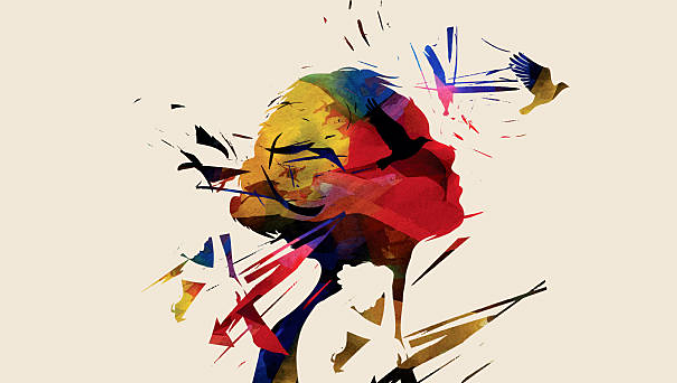
Art has a remarkable ability to capture the world while expressing feelings that go beyond what the eye can see. A landscape, for example, can represent more than mountains, trees, rivers, or open skies. It can communicate a sense of peace, nostalgia, movement, uncertainty, or connection with nature.
This is one of the qualities that makes Abstracted Realism Art so interesting. It combines recognizable elements of the real world with the freedom of abstract artistic expression. Instead of reproducing every detail exactly, artists can reinterpret subjects through color, texture, simplified forms, and expressive brushwork.
Watercolor and oil paintings offer different possibilities for exploring this artistic approach. Watercolor can create delicate transitions and atmospheric effects, while oil paint allows artists to build rich layers, textures, and depth.
For collectors and art enthusiasts, abstracted realism offers an opportunity to appreciate both recognizable imagery and individual artistic interpretation.
In this article, we explore the characteristics of abstracted realism, the relationship between landscape and emotion, and how contemporary emotion art and soul-inspired canvas pieces can bring a distinctive perspective to artistic spaces.
Understanding Abstracted Realism Art
Abstracted realism is an artistic approach that combines recognizable subjects with abstract visual elements.
An artist may begin with a real-world subject, such as a landscape, figure, or natural environment, but simplify or reinterpret parts of it.
The result retains a connection to reality while allowing greater creative freedom.
The Relationship Between Realism and Abstraction
Realism traditionally focuses on representing subjects in a recognizable and relatively lifelike manner.
Abstract art, in contrast, may prioritize shapes, colors, lines, textures, and visual relationships rather than accurate representation.
Abstracted realism brings elements of these approaches together.
For example, an artist painting a coastal landscape may preserve the recognizable horizon and ocean while using expressive brushstrokes, unexpected colors, and simplified forms to communicate the atmosphere of the scene.
The viewer can identify the subject while also experiencing the artist’s personal interpretation.
Why Artists Explore Abstracted Realism
This approach provides flexibility.
Artists can communicate the character of a subject without becoming restricted by photographic accuracy.
They may emphasize a particular color, simplify architectural forms, exaggerate the movement of water, or use textured layers to create a distinctive visual experience.
The result can feel familiar while still offering something unexpected.
How Watercolor and Oil Paintings Bring Landscapes to Life
Watercolor and oil paints are two versatile artistic mediums, each offering distinctive qualities.
Understanding their characteristics helps explain why artists may choose one medium over another when creating landscape compositions.
The Delicate Beauty of Watercolor
Watercolor is known for its transparency, fluidity, and ability to create soft visual transitions.
Because watercolor is generally applied in diluted layers, the paper can remain visible through the paint.
This quality can create a sense of lightness and atmosphere.
Watercolor is particularly suitable for exploring:
- Soft skies and atmospheric landscapes.
- Reflections on water.
- Delicate natural details.
- Subtle color transitions.
- Loose and expressive compositions.
Artists can also experiment with wet-on-wet techniques, dry brushwork, and layered washes to create different visual effects.
The Depth and Texture of Oil Paintings
Oil paint offers a different creative experience.
Its slower drying time allows artists to blend colors, adjust compositions, and build layers over extended periods.
Depending on the technique, oil paint can produce smooth transitions, visible brushwork, and rich textures.
It can be especially useful when exploring:
- Dramatic landscape lighting.
- Strong contrasts between colors.
- Textured natural forms.
- Rich atmospheric backgrounds.
- Expressive and layered compositions.
Neither watercolor nor oil is inherently better. The choice depends on the desired appearance, subject, and individual artistic process.
Exploring Original Landscape Paintings Through Personal Interpretation
Original landscape paintings offer an artistic perspective on the natural world.
Instead of simply recording what a location looks like, an artist can interpret its atmosphere, movement, and emotional qualities.
Landscapes as More Than Physical Places
A landscape can remind someone of a childhood memory, a peaceful holiday, a meaningful journey, or a moment of personal reflection.
Artists may draw inspiration from these connections when creating landscape compositions.
For example, a painting of an open field might use warm colors and expansive shapes to communicate freedom. A coastal scene might combine cool tones and energetic brushwork to suggest movement and change.
These interpretations make landscape artwork more personal.
The Role of Composition in Landscape Art
Composition determines how different visual elements relate to one another.
Artists consider the placement of the horizon, foreground, background, focal points, and surrounding shapes.
In abstracted realism, composition can be simplified or intentionally adjusted to strengthen the overall visual effect.
A recognizable landscape may therefore contain unexpected arrangements or exaggerated proportions.
These decisions allow the artist to guide the viewer’s attention and communicate a particular atmosphere.
The Role of Color in Contemporary Emotion Art
Color can influence how viewers experience an artwork.
In contemporary emotion art, artists often use color to create mood, visual contrast, and personal meaning.
Warm Colors and Visual Energy
Warm colors include red, orange, yellow, and related shades.
They can create a sense of energy, warmth, movement, and intensity.
In landscape compositions, warm colors might represent sunlight, autumn scenery, or a dramatic sunset.
Artists may also use them in abstract areas to draw attention toward particular parts of the composition.
Cool Colors and Atmospheric Depth
Blue, green, and violet are commonly described as cool colors.
They can contribute to an atmosphere of calmness, distance, reflection, or mystery.
In landscape paintings, cool tones may be used to represent water, distant mountains, shadows, and changing skies.
The effect depends on the relationship between colors rather than the individual shade alone.
Using Contrasts to Create Visual Interest
Contrasting colors can make a painting more dynamic.
For example, warm orange tones against deep blue can create a striking visual relationship.
Similarly, light and dark values can establish depth and direct attention toward important elements.
In abstracted realism, these contrasts can become expressive tools rather than simply methods of accurately reproducing nature.
Texture and Brushwork in Abstracted Realism
Texture contributes to the physical and visual character of a painting.
It can make an artwork feel smooth, layered, rough, energetic, or delicate.
Building Texture With Oil Paint
Oil painting allows artists to explore different levels of texture.
Thicker applications can create raised surfaces, while thinner layers may produce smoother finishes.
Artists can use brushes, palette knives, and other tools to create different marks.
In landscape paintings, texture may help communicate the appearance of rocks, trees, clouds, or water without reproducing every detail.
Creating Visual Movement With Watercolor
Watercolor produces distinctive effects through the movement of pigment and water.
Soft washes can create atmospheric backgrounds, while controlled brushwork can introduce stronger shapes and details.
The interaction between water and pigment also creates opportunities for unexpected visual patterns.
Artists can use these effects to give a landscape a more expressive appearance.
How Soul-Inspired Canvas Pieces Connect With Viewers
Soul-inspired canvas pieces often combine visual creativity with personal interpretation.
Their appeal may come from the relationship between subject matter, color, texture, and the atmosphere of the finished composition.
Art That Leaves Room for Individual Interpretation
Not every painting needs to communicate one fixed message.
A viewer may see hope in a bright landscape, while another may connect it with nostalgia or a personal memory.
This openness is particularly relevant to abstracted realism because the artwork retains recognizable imagery while allowing room for imagination.
Creating a Personal Connection With Artwork
People often select artwork based on how it makes them feel or what it reminds them of.
A landscape may create a connection with a favorite place, while an expressive abstract composition may reflect a particular mood or creative interest.
This personal relationship can make a painting more meaningful than a purely decorative purchase.
Choosing Abstracted Realism Art for Your Home
Abstracted realism can work in a variety of interior styles.
The right artwork depends on the available space, existing colors, room lighting, and personal preferences.
Selecting Artwork for Living Rooms
Living rooms often provide opportunities to display larger statement pieces.
A landscape painting can create a focal point above a sofa or along an open wall.
Consider the furniture arrangement and surrounding colors before choosing the artwork’s dimensions and orientation.
Creating a Calm Bedroom Environment
Bedrooms often benefit from artwork that complements a comfortable and relaxing atmosphere.
Soft landscapes, balanced color palettes, and subtle abstract compositions may suit these spaces.
However, personal preference should guide the decision. Some people may prefer bold, expressive artwork in their bedrooms.
Adding Creativity to Offices and Studios
An expressive painting can introduce personality into a workspace.
Abstracted landscapes may offer visual interest without relying on overly detailed imagery.
Choose artwork that complements the space while reflecting your preferred artistic style.
What to Consider Before Purchasing Original Landscape Paintings
Buying original landscape paintings involves more than selecting a subject you like.
A few practical considerations can help you make an informed choice.
Review the Artwork’s Medium and Dimensions
Check whether the artwork is created using watercolor, oil, acrylic, or another medium.
Review its measurements and confirm whether it comes framed or unframed.
The medium and dimensions can influence display requirements and maintenance.
Understand the Artist’s Creative Approach
Explore the artist’s available descriptions, portfolio, and artistic themes.
Understanding the inspiration behind a painting can help you appreciate its creative decisions.
When available, look for information about the title, materials, creation process, and provenance.
Consider Display and Care Requirements
Different painting mediums may require different care.
Avoid placing artwork in locations exposed to excessive sunlight, moisture, or unstable temperatures.
Follow the artist’s recommendations for cleaning, handling, and display.
For valuable original works, appropriate framing and professional conservation advice may be beneficial.
The Lasting Appeal of Abstracted Realism
Abstracted realism creates a bridge between recognizable subjects and artistic imagination.
It allows artists to explore the natural world while expressing individual perspectives through color, texture, composition, and movement.
Watercolor and oil paintings each bring their own visual qualities to this process, while original landscape paintings provide opportunities to connect with nature and personal memories.
Contemporary emotion art and soul-inspired canvas pieces further demonstrate how artwork can communicate more than a literal image.
At Annegaulden Art, explore artistic expression and discover how creative interpretations of landscapes, colors, and emotions can contribute to a distinctive visual experience.
Whether you appreciate expressive brushwork, atmospheric landscapes, or abstract compositions, art offers an opportunity to see familiar subjects from a different perspective.
FrAQs
1. What is abstracted realism art?
Abstracted realism art combines recognizable subjects with abstract elements. Artists reinterpret real-world scenes through simplified shapes, expressive colors, textures, and creative compositions.
2. What is the difference between abstract art and abstracted realism?
Abstract art may focus primarily on visual elements without representing recognizable subjects. Abstracted realism maintains a connection to recognizable objects or scenes while incorporating abstract techniques.
3. What makes watercolor and oil paintings different?
Watercolor generally creates transparent, fluid effects and delicate color transitions. Oil paint allows artists to build rich layers, blend colors, and develop different textures.
4. How do I choose original landscape paintings?
Consider the subject, artistic style, color palette, medium, dimensions, and display location. Review the artwork’s description and available information about its creator before purchasing.
5. Can abstracted realism be used in modern home decor?
Yes. Abstracted realism can complement contemporary interiors because it combines recognizable imagery with expressive shapes, textures, and colors.
6. What is contemporary emotion art?
Contemporary emotion art refers to modern artistic expression that explores feelings, moods, personal experiences, and individual perspectives through visual elements.
7. What are soul-inspired canvas pieces?
Soul-inspired canvas pieces are artworks that emphasize personal interpretation, creative expression, and emotional or symbolic meaning. Their significance can vary between viewers.
8. How should I care for watercolor and oil paintings?
Keep artwork away from excessive sunlight, moisture, and extreme environmental changes. Use suitable framing and follow medium-specific care recommendations from the artist or a professional conservator.
9. Why do artists use abstract techniques in landscape paintings?
Abstract techniques allow artists to emphasize atmosphere, movement, color, and emotion instead of reproducing every physical detail. They also create more opportunities for individual interpretation.
10. Are abstracted realism paintings suitable for art collectors?
Yes. They can appeal to collectors who appreciate recognizable subjects combined with distinctive artistic interpretations. Buyers should review whether a piece is original or a reproduction and consider its materials and provenance.
Discover Annegaulden Art and explore creative interpretations of landscapes, emotions, and the natural world.