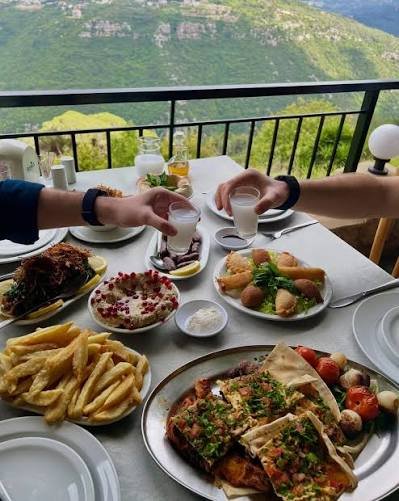
Lebanese cuisine is more than delicious food; it represents a rich cultural heritage built around hospitality, family traditions, fresh ingredients, and sharing meals. From traditional mezze and freshly baked bread to flavourful grilled meats and delicious desserts, every dish reflects an important part of Lebanon’s culinary identity. Experiencing Lebanese Dining In Lebanon offers visitors an opportunity to discover authentic recipes, enjoy traditional flavours, and understand the country’s welcoming food culture.
Lebanese dining brings people together through colourful dishes, aromatic spices, and traditional cooking techniques. Whether enjoying a family meal, exploring local restaurants, or discovering regional specialities, traditional Lebanese food creates a memorable culinary experience.
Discover Traditional Lebanese Dining In Lebanon and Its Rich Food Heritage
Lebanese food culture has developed through generations of culinary traditions and regional influences. Its dishes combine Mediterranean ingredients with Middle Eastern cooking techniques to create distinctive flavours.
Fresh vegetables, olive oil, garlic, lemon juice, parsley, mint, chickpeas, and aromatic spices are essential ingredients in traditional Lebanese cooking.
The experience of Lebanese Dining In Lebanon is closely connected with sharing food. Restaurants and family gatherings often feature several dishes served together, allowing everyone to explore different flavours and textures.
This combination of fresh ingredients, traditional recipes, and hospitality makes Lebanese cuisine special.
Traditional Lebanese Mezze: The Heart of Lebanese Food Culture
Mezze is one of the most important parts of Lebanese dining. It consists of several small hot and cold dishes served together as appetisers or as part of a larger meal.
Popular Lebanese mezze dishes include:
- Hummus: A creamy chickpea dip prepared with tahini, garlic, lemon juice, and olive oil.
- Mutabbal: A smoky roasted eggplant dip blended with tahini and garlic.
- Tabbouleh: A refreshing parsley salad with tomatoes, mint, bulgur wheat, and lemon dressing.
- Fattoush: A traditional vegetable salad topped with crispy pita bread.
- Falafel: Crispy chickpea fritters prepared with fresh herbs and spices.
- Warak Enab: Grape leaves stuffed with rice, herbs, and traditional seasonings.
Mezze encourages sharing and allows diners to experience the diversity of authentic Lebanese food.
Authentic Lebanese Grilled Meats and Traditional Specialities
Grilled meats are another essential part of Lebanese food culture. Traditional grilling methods, fresh marinades, and aromatic seasonings create delicious dishes with distinctive smoky flavours.
Some popular grilled specialities include:
- Shish Tawook: Marinated chicken pieces grilled until tender and juicy.
- Kafta Kebab: Minced meat mixed with parsley, onions, and traditional spices.
- Shish Kebab: Marinated lamb or beef cooked over an open flame.
- Grilled Lamb Chops: Tender lamb seasoned with herbs and aromatic spices.
- Mixed Grill: A combination of different grilled meats served with traditional accompaniments.
These dishes are commonly enjoyed with garlic sauce, hummus, grilled vegetables, and fresh Lebanese bread.
Exploring these specialities is an important part of experiencing Lebanese Dining In Lebanon.
Fresh Lebanese Ingredients That Define Traditional Cooking
Fresh ingredients are at the centre of Lebanese culinary traditions. Traditional recipes focus on natural flavours and balanced combinations rather than complicated preparation methods.
Some commonly used ingredients include:
- Olive Oil: Adds richness and enhances the natural taste of food.
- Fresh Parsley: Provides a distinctive herbal flavour to salads and other dishes.
- Garlic: Adds depth to marinades, dips, and sauces.
- Lemon Juice: Creates refreshing flavours in salads and grilled dishes.
- Chickpeas: Used in traditional hummus and falafel.
- Mint: Adds freshness to salads and traditional recipes.
- Eggplant: An important ingredient in popular dishes such as mutabbal.
These ingredients help preserve the authentic taste and freshness of Lebanese cuisine.
Traditional Lebanese Breakfast and Street Food Experiences
Lebanese food culture extends beyond lunch and dinner. Breakfast and street food are also important parts of everyday dining traditions.
Popular breakfast choices include Manakish, Labneh, Foul Medames, and traditional Lebanese cheese. These dishes are commonly served with olives, fresh vegetables, and warm bread.
Lebanese street food also offers delicious options for people who want to explore local flavours.
Popular choices include:
- Chicken Shawarma: Marinated chicken served with garlic sauce and pickles.
- Beef Shawarma: Thinly sliced seasoned beef served with traditional accompaniments.
- Falafel Sandwich: Crispy falafel combined with vegetables and tahini sauce.
- Za’atar Manakish: Freshly baked flatbread topped with za’atar and olive oil.
These traditional foods provide another way to understand the diversity of Lebanese culinary culture.
Lebanese Hospitality: The Tradition of Sharing Food
Hospitality is one of the defining features of Lebanese food culture. Sharing meals is an important social tradition that brings families, friends, and guests together.
Lebanese dining often involves a table filled with mezze, salads, grilled meats, bread, and traditional accompaniments. Everyone is encouraged to enjoy different dishes and participate in the meal.
Restaurants also reflect this welcoming culture through friendly service, traditional recipes, and inviting dining environments.
This social connection makes Lebanese Dining In Lebanon more than a meal. It becomes an opportunity to experience the country’s traditions and hospitality.
Traditional Lebanese Desserts: A Sweet Ending to Every Meal
Lebanese desserts are another important part of the country’s culinary heritage. They combine ingredients such as nuts, pastry, cream, semolina, and sweet syrup.
Some popular traditional desserts include:
- Baklava: Layers of thin pastry filled with nuts and sweet syrup.
- Knefeh: A traditional dessert prepared with cheese or cream and shredded pastry.
- Maamoul: Traditional cookies filled with dates, pistachios, or walnuts.
- Halawet El Jibn: A sweet cheese-based pastry filled with cream.
- Mafroukeh: A traditional dessert made with semolina, nuts, and cream.
These delicious specialities provide a memorable ending to an authentic Lebanese meal.
Frequently Asked Questions About Traditional Lebanese Food Culture
1. What Makes Lebanese Food Culture Unique?
Lebanese food culture is unique because of its fresh ingredients, traditional recipes, Mediterranean influences, mezze dining, and strong hospitality traditions. Sharing food is also an important part of everyday Lebanese life.
2. What Are the Most Popular Traditional Lebanese Dishes?
Popular Lebanese dishes include hummus, tabbouleh, fattoush, falafel, shish tawook, kafta kebab, shawarma, manakish, and mixed grills.
3. What Is Mezze in Lebanese Dining?
Mezze is a selection of small hot and cold dishes served together. It commonly includes hummus, mutabbal, tabbouleh, fattoush, falafel, and other traditional appetisers.
4. What Ingredients Are Commonly Used in Lebanese Cuisine?
Lebanese cooking commonly uses olive oil, garlic, lemon juice, parsley, mint, chickpeas, eggplant, tomatoes, cucumbers, tahini, and aromatic spices.
5. Why Is Sharing Food Important in Lebanese Dining In Lebanon?
Sharing food represents hospitality, family connections, and togetherness in Lebanese culture. Traditional meals bring people together and allow everyone to enjoy different dishes as part of a communal dining experience.
Conclusion
Lebanese food culture offers a wonderful combination of authentic flavours, fresh ingredients, traditional recipes, and welcoming hospitality. From delicious mezze and grilled meats to traditional breakfast dishes, street food, and sweet desserts, every meal reflects the country’s rich culinary heritage.
Experiencing Lebanese Dining In Lebanon is one of the best ways to discover these traditions and understand the importance of sharing food. Whether enjoying a traditional family meal or exploring local restaurants, Lebanese cuisine provides a memorable experience filled with flavour, culture, and hospitality.