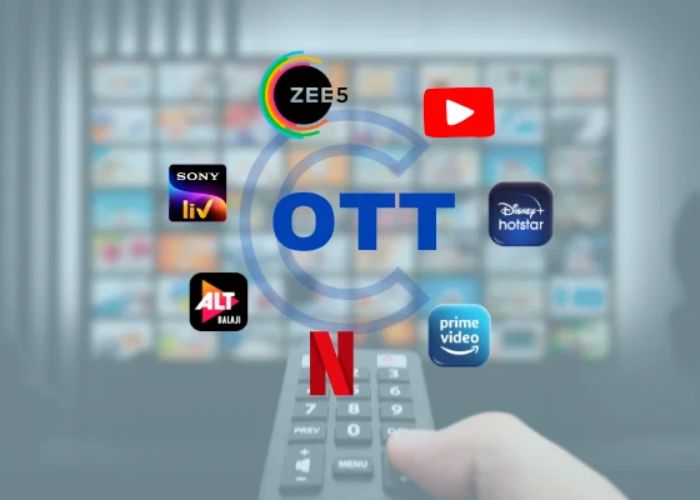
The OTT (Over-The-Top) streaming industry has exploded in recent years, with platforms like Netflix, Disney+, and Amazon Prime Video dominating entertainment consumption worldwide. If you’re considering entering this lucrative market, understanding how to build an OTT app is essential. This comprehensive guide will walk you through everything you need to know to build an OTT app successfully.
What is an OTT App?
An OTT app is a streaming application that delivers video, audio, or other media content directly to users via the internet, bypassing traditional cable or satellite providers. If you want to build an OTT app, it’s important to understand that these applications enable viewers to watch content on-demand across multiple devices including smartphones, tablets, smart TVs, and computers.
Define Your Niche and Content Strategy
Before diving into development, identify your target audience and content niche. Will you focus on movies, TV shows, sports, documentaries, or a combination? Your content strategy should align with market demand and your unique value proposition. Research your competitors to understand what’s already available and where gaps exist.
Consider whether you’ll produce original content, license existing material, or both. Original content requires significant investment but builds brand loyalty. Licensing existing content is faster to market but involves negotiating rights and paying royalties.
Choose the Right Technology Stack
Selecting appropriate technology is crucial when you build an OTT app. Your tech stack should handle video streaming, user management, payment processing, and analytics. Key components include:
Video Streaming Technology: Implement adaptive bitrate streaming using protocols like HLS (HTTP Live Streaming) or DASH (Dynamic Adaptive Streaming over HTTP). These technologies ensure smooth playback across varying internet speeds and devices.
Backend Infrastructure: Use cloud platforms like AWS, Google Cloud, or Microsoft Azure for scalable hosting. These services provide Content Delivery Networks (CDNs) that distribute content globally, reducing latency and buffering issues.
Database Solutions: Choose databases that can handle massive amounts of user and content data. Consider NoSQL options for flexibility and scalability.
Frontend Development: Build responsive interfaces for web and mobile platforms. Use frameworks like React for web development and Swift or Kotlin for native mobile apps, or consider cross-platform solutions like React Native or Flutter.
Implement Essential Features
A successful OTT app requires certain fundamental features. User authentication systems should support registration, login, and password recovery. Implement robust security protocols to protect user data.
A personalized dashboard with recommendations powered by machine learning algorithms keeps users engaged. Include search and filtering capabilities allowing users to discover content easily. Streaming quality should be adjustable based on available bandwidth.
Integrate multiple payment gateways to support various payment methods including credit cards, digital wallets, and in-app purchases. Implement subscription models with tiered pricing options (basic, premium, ad-supported) to cater to different user segments.
Ensure Smooth Video Delivery
Video delivery performance directly impacts user experience. Optimize video encoding using codecs like H.264 or H.265 to balance quality and file size. Implement a CDN strategy to cache content geographically close to users, reducing load times.
Test your streaming quality across different network conditions and devices. Implement monitoring systems to track streaming metrics, identify bottlenecks, and optimize delivery continuously.
Develop a Robust Security Framework
Protecting content and user data is non-negotiable. Implement Digital Rights Management (DRM) technologies to prevent unauthorized content distribution. Use encryption for data transmission and storage.
Comply with data protection regulations like GDPR, CCPA, and other regional requirements. Regular security audits and penetration testing should be part of your development process.
Create a Scalable Infrastructure
Design your infrastructure to handle growth seamlessly. Use microservices architecture for flexibility and easier maintenance. Implement load balancing to distribute traffic evenly across servers.
Plan for peak traffic scenarios, especially during major content releases. Automated scaling ensures your system responds to demand fluctuations without manual intervention.
Focus on User Experience
Intuitive interface design is crucial. Invest in UX research to understand user behavior and preferences. Minimize loading times, implement smooth transitions, and ensure easy navigation across all devices.
Include features like watchlists, personalized recommendations, multiple profiles, and offline viewing capabilities (if applicable to your model).
Launch and Market Your App
Before full launch, conduct thorough testing across devices, network conditions, and user scenarios. Plan a soft launch in limited markets to gather feedback and fix issues.
Develop a comprehensive marketing strategy highlighting unique features and content. Leverage social media, influencer partnerships, and content marketing to build awareness and acquire initial users.
Conclusion
Building an OTT app requires careful planning, significant investment, and technical expertise. By understanding content strategy, choosing appropriate technology, implementing essential features, and prioritizing security and user experience, you can create a competitive streaming platform. The OTT market continues to grow, offering substantial opportunities for well-executed applications that deliver quality content and seamless viewing experiences.