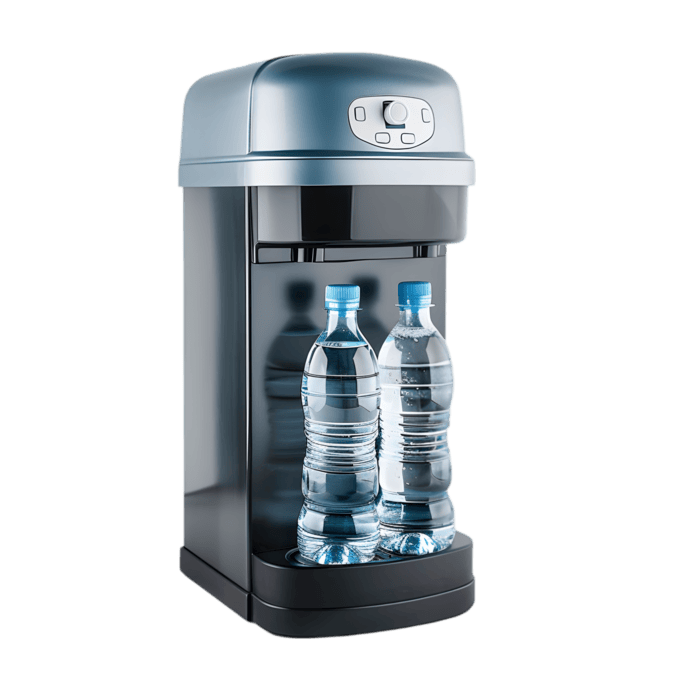
Molecular hydrogen is being studied for its possible effects on the body’s response to oxidative stress and inflammation. It can enter the body through different methods, with drinking hydrogen-rich water and breathing hydrogen gas among the most discussed options. Although both approaches use the same gas, they do not deliver it in the same way. One involves swallowing water containing dissolved hydrogen, while the other sends hydrogen into the respiratory system through a delivery device. Understanding these differences helps readers make sense of product claims, research findings, and safety concerns. It also makes it easier to see why the two methods should not be treated as interchangeable.
Two Different Ways to Deliver Molecular Hydrogen
Drinking hydrogen-rich water introduces dissolved molecular hydrogen into the digestive system. The body then absorbs some of that hydrogen, allowing it to enter circulation. The amount available depends on the water’s concentration, serving size, and how much hydrogen remains dissolved when a person drinks it. Since hydrogen gas escapes from water over time, storage and preparation also affect the amount consumed.
Inhalation takes a different route. A person breathes a measured concentration of hydrogen gas through equipment designed to deliver it through a mask, nasal cannula, or another suitable interface. The lungs provide a large surface area for gas exchange, allowing inhaled hydrogen to enter the bloodstream through the respiratory system. Researchers can adjust the concentration, gas flow, and exposure time, which gives inhalation studies a different way to control delivery.
How Inhalation Equipment Delivers Hydrogen
An inhalation device generates or supplies hydrogen gas and directs it through a breathing interface. Some systems use hydrogen mixed with air, while others produce a mixture of hydrogen and oxygen through water electrolysis. These designs do not deliver identical gas compositions, so buyers and users should check the manufacturer’s technical information rather than assume that every device works in the same way.
A hydrogen and oxygen inhalation machine may produce an oxygen-containing gas mixture, often described as oxyhydrogen or HHO. Its hydrogen concentration, oxygen content, flow rate, and safety controls matter. Hydrogen is highly flammable, and mixtures containing hydrogen and oxygen can create a serious fire or explosion hazard under certain conditions. A device should have clearly documented safety features and operating instructions. Never modify its gas lines, use it near flames or sparks, or attempt to create an inhalation mixture at home.
What Happens After Drinking Hydrogen-Rich Water
When someone drinks hydrogen-rich water, the dissolved gas enters the stomach along with the liquid. Some hydrogen can pass through the digestive tract and enter the bloodstream. The body also produces hydrogen naturally through the activity of gut bacteria, although that process differs from consuming water prepared with dissolved hydrogen.
The concentration of the drink places a practical limit on the amount someone can consume in one serving. Hydrogen has relatively low solubility in water. Under ordinary conditions, water saturated with hydrogen holds roughly 1.6 milligrams per litre, although pressure and temperature can change that figure. A person drinking a small glass therefore receives a limited amount of dissolved gas. A clinical review of molecular hydrogen delivery methods discusses this solubility limit and the challenges it creates when researchers try to deliver specific doses through drinking water.
The amount also changes after preparation. Hydrogen can escape when someone leaves a glass open, pours the water repeatedly, or stores it for too long in a container that does not retain the gas well. Drinking the water soon after preparation helps reduce this loss. These practical details matter because the concentration listed by a manufacturer may describe the water immediately after production rather than the amount someone eventually drinks.
How the Two Methods Differ in Practice
The main difference is the route and control of delivery. Drinking hydrogen-rich water offers a familiar way to consume hydrogen as part of a normal hydration routine. A person can prepare a serving, drink it, and continue with daily activities. The amount delivered depends largely on the water’s concentration and volume.
Inhalation allows researchers or trained users to control the concentration of gas being breathed and the length of exposure. It may deliver hydrogen more directly through the lungs, but it also requires specialised equipment and careful attention to gas composition. A breathing session is not equivalent to drinking a glass of hydrogen-rich water. The two methods may produce different exposure patterns, so a result from a study using one route cannot automatically support claims about the other.
What Current Research Says About Potential Benefits
Scientists have examined molecular hydrogen because laboratory studies suggest that it may affect certain biological processes linked to oxidative stress, inflammation, and cell protection. Researchers have explored these effects in cell experiments, animal models, and human studies. The findings have created interest, but they do not yet establish hydrogen as a proven treatment for a particular disease.
A 2023 review of clinical studies examined several ways of administering molecular hydrogen, including inhalation and hydrogen-rich water. It described promising findings in some areas while also pointing out differences in study design, dose, treatment length, and participant groups. Those differences make it difficult to compare results directly or draw broad conclusions about which delivery method works best.
Why the Route Matters When Reading Scientific Studies
A study’s delivery method is one of the first details readers should check. Research involving inhaled hydrogen may use a controlled gas concentration and a set exposure period. A drinking-water study may instead measure the concentration in the liquid and specify how much participants consume. These details affect the amount of hydrogen available to the body and the way researchers interpret the results.
This is why hydrogen inhalation research should be assessed separately from studies involving hydrogen-rich water. Even if two studies investigate the same health marker, they may use different doses, exposure periods, and participant groups. A finding from a hospital-based inhalation trial does not prove that a consumer water bottle will produce the same result. Equally, a result from drinking hydrogen-rich water cannot establish the effectiveness of a home inhalation device.
Researchers also need to distinguish between changes in laboratory markers and meaningful health improvements. A change in an oxidative stress marker, for example, does not automatically show that a person will feel better, recover faster, or experience a lower risk of disease. Larger, well-designed human trials can help answer those questions.
Safety Considerations for Both Approaches
Hydrogen-rich water and inhaled hydrogen have different safety concerns. For drinking water, users should follow the device instructions, use safe drinking water, and keep the preparation equipment clean. People with medical conditions or those who need to manage fluid intake should discuss changes to their routine with a healthcare professional. Hydrogen water should not replace prescribed medicines or established medical care.
Inhalation requires extra care because it involves breathing a gas mixture through equipment. Hydrogen’s flammability makes gas composition, ventilation, device design, and ignition control important. Users should never assume that a product is safe simply because it generates gas from water. A machine should provide clear specifications, maintenance guidance, and recognised safety information. Avoid devices with unclear gas output, missing instructions, or unsupported medical promises.
A small 2021 study examined prolonged inhalation of 2.4% hydrogen in medical air among eight healthy adults. Participants received exposure in a hospital setting for periods of up to 72 hours, and the researchers found no clinically significant adverse effects in that small group. The authors also stressed the need for larger studies to assess safety more fully. These findings should not be treated as proof that every gas mixture, consumer device, or home-use routine is safe. <Cite refs={[“turn340600search0″,”turn340600search1”]}/>
What to Check Before Choosing a Delivery Method
Start by looking at what the product actually delivers. For drinking systems, check the measured hydrogen concentration, serving volume, storage instructions, and testing method. A high concentration claim is less useful if the manufacturer does not explain when or how it measured the water.
For inhalation equipment, examine the gas composition, hydrogen concentration, flow rate, delivery interface, and safety controls. The manufacturer should explain whether the device produces hydrogen alone or a hydrogen-oxygen mixture. It should also provide clear instructions for operation, cleaning, and maintenance. If the product makes claims about treating a medical condition, ask a qualified healthcare professional to assess those claims rather than relying on advertising.
It also helps to consider the purpose of the available research. Check whether a study involved healthy volunteers or people with a particular condition, whether it used inhalation or drinking water, and whether it measured short-term biological changes or longer-term health outcomes. These details provide a more realistic picture than a general statement that hydrogen has health benefits.
Choosing With a Clear Understanding
Drinking hydrogen-rich water and inhaling hydrogen gas both deliver molecular hydrogen, but they differ in how the body receives it, how researchers measure exposure, and what equipment each method requires. Neither approach has established universal benefits, and current research does not show that one method is better for everyone.
The sensible next step is to look beyond broad product claims. Check the delivery method, verified specifications, research relevant to that method, and the safety guidance supplied with the equipment. Anyone considering hydrogen for a health concern should speak with a qualified healthcare professional and continue to follow established medical advice.