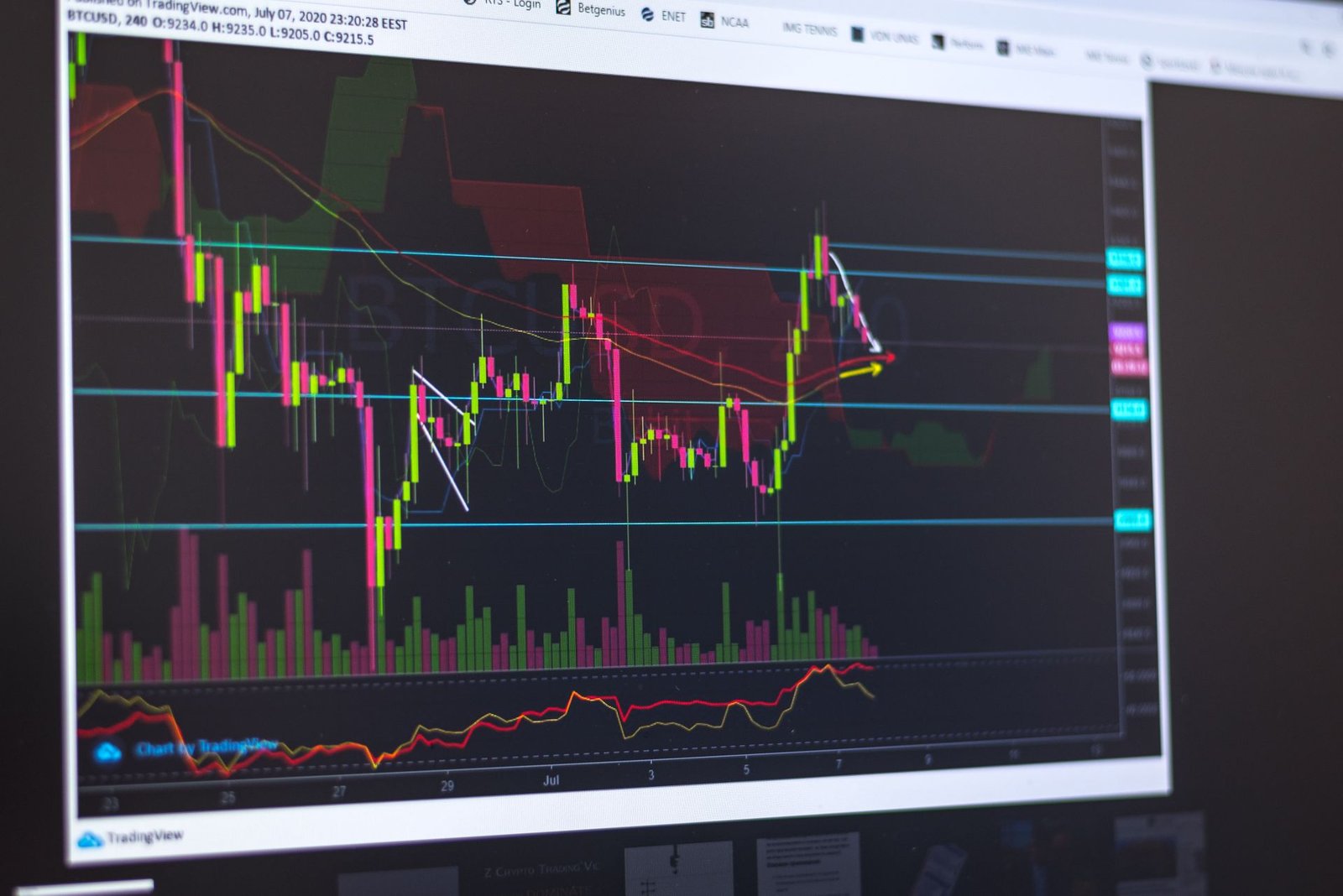
A losing trade can reveal more about a trader’s habits than a profitable one, especially when the original decision seemed reasonable at the time. Perhaps the entry came too early, the stop-loss level was poorly placed, or an unexpected market movement changed the setup. Without reviewing these details, traders may repeat the same mistakes or blame every setback on unpredictable conditions. MetaTrader 4 provides useful tools for examining historical prices, chart patterns, and trade records to understand what happened. By reviewing each decision systematically, traders can distinguish avoidable errors from normal market uncertainty and use those findings to improve future trading plans.
1. Compare Your Entry With the Market Conditions at the Time
A losing position may have been opened before the market provided sufficient confirmation. Traders can revisit the price action surrounding the entry to determine whether the original setup matched their strategy or relied too heavily on assumptions.
- Locate the entry point: Find the exact price and time when the position was opened.
- Review the surrounding chart: Examine recent highs, lows, support levels, resistance levels, and the prevailing trend.
- Check the original rationale: Determine whether the conditions supporting the trade were present when the order was placed.
Using MetaTrader 4, traders can inspect historical charts and compare the entry with the price movements that followed. The platform’s charting tools and available technical indicators can help reconstruct the market environment without relying entirely on memory. For example, a trader may discover that a buy order was placed just below a resistance level, where upward movement had repeatedly stalled. That observation does not automatically prove the entry was wrong, but it provides a useful question for further review. The goal is to establish whether the decision followed a consistent method or was influenced by impatience, fear of missing an opportunity, or incomplete analysis.
2. Examine Whether Your Stop-Loss and Take-Profit Levels Made Sense
Exit levels can influence the outcome of a trade just as much as the initial entry. A stop-loss placed too close to ordinary price fluctuations may close a position prematurely, while an excessively wide level can expose the account to greater losses than intended.
- Check the stop-loss placement: Assess whether the level reflected the trade’s setup and acceptable risk.
- Review the profit target: Determine whether the intended reward justified the potential loss.
- Compare planned and actual outcomes: Identify whether the position closed according to the original rules or a later adjustment.
MetaTrader 4 allows traders to review historical order details, including recorded opening and closing prices and any stop-loss or take-profit levels reflected in the available trade history. Chart analysis can then help explain how prices moved around those levels. A stop-loss being triggered does not necessarily mean the decision was poor; the order may have performed its intended role by limiting exposure. Traders should also account for slippage, spreads, and sudden market gaps when evaluating execution. Reviewing these details helps determine whether the risk plan was appropriate, rather than judging its quality solely by whether the trade ultimately made or lost money.
3. Use Trade History to Identify Repeated Mistakes
One losing trade rarely provides enough evidence to establish a consistent weakness. Reviewing several transactions may reveal patterns that are difficult to notice when each result is considered separately. These could include entering too frequently, trading during unfavorable conditions, or repeatedly increasing exposure after a loss.
- Review closed positions: Examine the available history for recurring entry and exit patterns.
- Compare similar trades: Look for repeated problems involving the same currency pair, timeframe, or setup.
- Record the findings: Maintain a separate journal describing the reasoning behind each decision and its outcome.
MetaTrader 4 includes an Account History section that helps traders review completed transactions and related account activity. Depending on the available records and report options, users can examine details such as trade direction, timing, volume, and financial results. These records become more useful when combined with personal notes explaining why each position was opened. For instance, a trader might notice that several losses followed entries made immediately after sharp price movements. The pattern could indicate a tendency to chase momentum without waiting for confirmation. However, a small sample can be misleading, so conclusions should be based on a meaningful collection of trades rather than one disappointing session.
4. Determine Whether Emotions Influenced Your Trading Decisions
Technical analysis cannot fully explain a trading decision if emotions affected the way a plan was followed. Fear may cause an early exit, while overconfidence can encourage a trader to ignore warning signs. Reviewing the sequence of events around a losing position can help uncover these behavioral influences.
- Check for impulsive entries: Consider whether the trade was opened outside your established criteria.
- Identify changes made under pressure: Review whether stop-loss levels or position sizes were altered without a sound reason.
- Assess your state of mind: Record whether frustration, fatigue, or a desire to recover previous losses affected the decision.
MetaTrader 4 can help reconstruct when orders were placed, modified, or closed, depending on the information available in the account history and trading records. These timestamps can be compared with a written journal to identify possible links between behavior and results. For example, repeated trades opened shortly after a loss may suggest an attempt to recover money quickly rather than a genuine opportunity. The platform cannot directly measure a trader’s emotional state, so honest personal notes are important. Recognizing these tendencies can support practical changes, such as pausing after a loss or requiring a checklist before entering another position. The aim is to improve discipline, not to eliminate every emotional response.
5. Turn Your Findings Into Specific Changes for Future Trades
A review has limited value if it ends with a vague promise to make better decisions. Traders should convert their observations into clear adjustments that can be applied and evaluated over time. This approach makes the learning process more structured and less dependent on memory.
- Choose one improvement: Focus on a specific weakness, such as entering before confirmation or risking too much per position.
- Update your trading checklist: Add a practical step that addresses the identified problem.
- Track future results: Review later trades to determine whether the adjustment improves consistency.
MetaTrader 4 can support this process through its charts, technical indicators, order history, and saved analysis templates. Traders may use these features to compare new decisions against the conditions identified during earlier reviews. If a losing position revealed that entries were frequently placed near resistance, for example, the next step could be to require additional confirmation before buying. Any adjustment should be tested across multiple trades and evaluated with transaction costs and risk exposure in mind. Changing several rules after one loss makes it harder to determine which adjustment helped. A measured process encourages gradual improvement while recognizing that even well-executed strategies can experience losing periods.
Make Every Losing Trade an Opportunity to Improve
A losing trade does not automatically indicate poor judgment, but failing to examine the decision can allow avoidable mistakes to continue. By reviewing entries, exit levels, transaction history, and personal behavior, traders can develop a clearer understanding of what influenced each outcome. MetaTrader 4 offers practical tools for reconstructing market conditions and examining completed positions, while a separate journal can capture the reasoning behind decisions. Neither resource guarantees future profits, and no strategy can avoid every loss. What matters is turning observations into specific, measurable improvements. With consistent reviews and realistic expectations, traders can strengthen their process without allowing one disappointing result to dictate their next move.