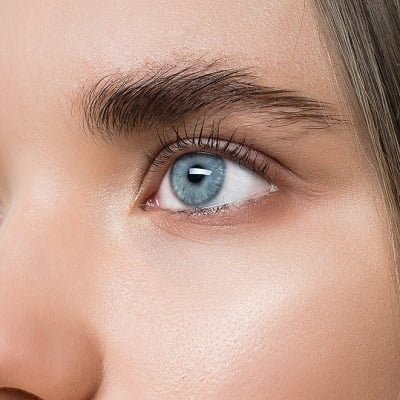
A brow lift is a cosmetic procedure designed to elevate the eyebrows, smooth forehead wrinkles, and create a more refreshed and youthful facial appearance. While the procedure can enhance facial balance and improve the appearance of sagging brows, one common concern among individuals considering treatment is whether it leaves visible scars. Understanding where incisions are placed, how the skin heals, and which surgical techniques are available can help individuals make informed decisions before undergoing treatment.
For individuals researching Brow Lift in Muscat, scar visibility is an important consideration when exploring this cosmetic procedure. Modern brow lift techniques focus on achieving natural-looking results while keeping incision marks as discreet as possible. Although some degree of scarring is expected with surgical procedures, the scars are generally positioned in areas where they can be concealed by the hairline, natural forehead creases, or eyebrow contours. Their final appearance depends on several factors, including the technique used, individual skin characteristics, and postoperative care.
1. Does a Brow Lift Leave Visible Scars?
A brow lift can leave small scars because the procedure usually involves making incisions to lift and reposition the forehead and eyebrow tissues. However, these scars are not necessarily prominent or easily noticeable. Experienced surgical planning focuses on placing incisions strategically so that they blend with natural facial features or remain hidden beneath the hair.
The visibility of scars largely depends on the type of brow lift performed. Some techniques require incisions within the hair-bearing scalp, while others involve smaller incisions around the forehead or eyebrows. The location and length of these incisions influence how noticeable the scars may become after healing.
In many cases, scars gradually become lighter, flatter, and less noticeable over several months. Initially, incision areas may appear slightly pink, raised, or sensitive. This is generally part of the normal healing process. As the skin repairs itself, the scar tissue continues to mature.
It is important to understand that no surgical procedure can guarantee completely scar-free results. However, appropriate surgical techniques and proper aftercare can help minimize the appearance of scars.
2. Where Are Brow Lift Scars Usually Located?
The location of brow lift scars depends on the surgical approach selected. Different techniques are designed to address varying degrees of eyebrow sagging, forehead wrinkles, and individual aesthetic concerns.
Endoscopic Brow Lift
An endoscopic brow lift generally involves several small incisions hidden within the hair-bearing scalp. A tiny camera and specialized instruments are used to reposition the underlying tissues and elevate the eyebrows.
Because the incisions are relatively small and placed behind the hairline, resulting scars are usually concealed by the surrounding hair. This approach is often considered by individuals who want a less noticeable incision pattern.
Coronal Brow Lift
A coronal brow lift involves a longer incision extending across the scalp, typically positioned behind the hairline. Through this incision, the forehead tissues can be lifted and repositioned.
The resulting scar is generally concealed by the hair. However, individuals with thinning hair, certain hairstyles, or a naturally high hairline may need to discuss the possible visibility of the incision with their surgeon.
Hairline Brow Lift
A hairline brow lift involves an incision placed along the boundary between the forehead and the hairline. This approach can be suitable for certain individuals, particularly those who wish to avoid raising an already high hairline.
The scar may initially be noticeable, but careful placement and healing can help it blend with the natural hairline over time.
Direct Brow Lift
A direct brow lift involves an incision positioned just above the eyebrows. This technique allows the surgeon to remove excess skin and elevate the brow directly.
Although it can produce effective lifting results, the scar is located in a more visible facial area. It may be suitable for selected individuals depending on their anatomy and treatment goals.
Each technique has different benefits and limitations. The most appropriate option depends on the individual’s facial structure, hairline, skin condition, and desired outcome.
3. What Factors Affect Brow Lift Scar Visibility?
Not all individuals develop scars in the same way. Even when the same surgical technique is used, the final appearance of the incision can vary because skin healing is influenced by several personal and procedural factors.
Skin Type and Genetics
Genetics play an important role in how the skin repairs itself. Some individuals naturally develop fine, barely noticeable scars, while others may be more prone to raised or thickened scar tissue.
People with a history of hypertrophic scars or keloids should discuss this with their surgeon before treatment. This information can help determine whether additional precautions are necessary.
Surgical Technique and Incision Placement
The size, depth, and location of an incision can influence the final scar. Incisions placed within the scalp or along natural anatomical boundaries may be easier to conceal.
Careful tissue handling and appropriate closure techniques can also contribute to better healing.
Age and Skin Elasticity
Skin elasticity changes with age. Younger skin may recover differently from mature skin, although age alone does not determine whether scars will be visible.
Overall skin health, circulation, and the body’s natural healing response also contribute to recovery.
Sun Exposure
Direct sunlight can affect the appearance of healing scars. Newly formed scar tissue is particularly sensitive to ultraviolet radiation, which may cause discoloration or make scars more noticeable.
Protecting the healing area from excessive sun exposure is therefore an important part of postoperative care.
Postoperative Care
Following recovery instructions can help reduce unnecessary tension, irritation, and complications around incision sites. Keeping the area clean, avoiding excessive rubbing, and attending recommended follow-up appointments all support the healing process.
4. How Long Does It Take for Brow Lift Scars to Fade?
Brow lift scars generally change in appearance throughout the healing process. While the initial incision may look more noticeable, it usually becomes less prominent as the skin continues to recover.
The healing timeline varies between individuals, but it can generally be understood in several stages.
First Week After Surgery
During the first week, swelling, bruising, redness, and mild tenderness around the incision areas are common. The scars may appear pink or slightly raised. These changes are usually part of the body’s initial healing response.
Two to Four Weeks
During the following weeks, swelling and bruising generally begin to improve. The incision areas may still appear pink, and some tightness or itching can occur as the skin heals.
One to Three Months
Scar tissue continues to mature during this stage. The incision lines may gradually become flatter and lighter. However, their appearance can still change considerably during this period.
Three to Twelve Months
Over the following months, scars often become softer and less noticeable. Their final appearance may take a year or longer to develop, depending on individual healing characteristics and the surgical approach.
It is important not to judge the final cosmetic outcome too early. Scar maturation is a gradual process, and patience is an important part of recovery.
5. How Can Brow Lift Scars Be Minimized?
Although scars cannot always be prevented, several measures can help support healthy healing and reduce their visibility.
Follow Postoperative Instructions
The surgeon’s recovery instructions should be followed carefully. These may include guidance on wound cleaning, dressing changes, sleeping positions, and when normal activities can be resumed.
Avoiding unnecessary pressure or tension around the incision areas is particularly important during early recovery.
Keep Incisions Clean
Proper hygiene helps reduce the risk of infection, which can interfere with healing and potentially worsen scarring. Any recommended cleaning products or wound-care treatments should be used according to professional instructions.
Avoid Smoking
Smoking can interfere with circulation and reduce the oxygen supply needed for tissue repair. Avoiding smoking before and after surgery, according to medical advice, may support better healing.
Protect the Skin From Sunlight
New scars should be protected from excessive sunlight. Once the incision has healed sufficiently and the surgeon approves, broad-spectrum sunscreen may help prevent discoloration. Hats and other physical sun protection can also be useful.
Consider Silicone-Based Scar Treatments
Silicone gels and sheets are commonly used to improve the appearance of certain scars. They may help keep scar tissue hydrated and support better scar maturation. However, they should only be applied once the incision has closed and with approval from the treating professional.
Attend Follow-Up Appointments
Follow-up visits allow the surgeon to assess incision healing and identify potential concerns early. If a scar becomes unusually thick, painful, or discolored, professional evaluation may help determine whether additional treatment is appropriate.
6. What Should Individuals Expect When Considering a Brow Lift?
A brow lift is intended to improve the position and appearance of the eyebrows while creating a more refreshed facial expression. However, understanding the procedure involves more than simply considering the expected cosmetic results.
Before treatment, individuals should have a detailed consultation to discuss their concerns, medical history, skin condition, and expectations. A qualified surgeon can examine the forehead and eyebrow area and recommend an appropriate surgical approach.
It is also important to understand the possible risks. These may include swelling, bruising, temporary numbness, changes in hair growth near the incision, asymmetry, infection, and noticeable scarring. In some cases, additional treatment may be required if the healing process does not progress as expected.
Recovery experiences differ from person to person. Some individuals return to light daily activities relatively quickly, while others may require additional time before resuming strenuous exercise or demanding routines.
People considering a brow lift should also understand that the procedure does not stop the natural ageing process. Although results can be long-lasting, changes in skin elasticity and facial tissues may continue over time.
Ultimately, realistic expectations, careful treatment planning, and appropriate aftercare are essential for achieving satisfactory results while minimizing the likelihood of noticeable scars.
Frequently Asked Questions About Brow Lift Scars
1. Are brow lift scars permanent?
Yes, surgical incisions generally leave permanent scars. However, they usually become softer, flatter, and lighter over time. With careful incision placement and proper aftercare, many scars become difficult to notice.
2. Can a brow lift be performed without visible scars?
A surgical brow lift requires incisions, so completely scar-free results cannot be guaranteed. However, certain techniques place incisions within the hairline or scalp, helping conceal the resulting scars.
3. How long does brow lift scarring take to heal?
Initial incision healing generally takes a few weeks, but scar maturation takes considerably longer. Scars may continue improving for 12 months or more, depending on individual healing characteristics.
4. Can hair hide brow lift scars?
Yes. Techniques that place incisions within the hair-bearing scalp can allow surrounding hair to conceal the scars. However, visibility may depend on hair density, hairline position, and hairstyle.
5. Can brow lift scars become raised or thick?
Yes. Some individuals may develop hypertrophic scars or, less commonly, keloids. Genetics, skin characteristics, wound tension, and healing complications can influence scar formation. Professional assessment can help identify suitable management options.
6. Does an endoscopic brow lift leave noticeable scars?
An endoscopic brow lift generally involves several small incisions hidden within the scalp. These scars are usually less visible than incisions placed directly above the eyebrows, although individual healing and hair characteristics influence their final appearance.
Final Thoughts
A brow lift can leave scars, but visible scarring is not inevitable. Modern surgical techniques aim to position incisions strategically so that they remain discreet and blend naturally with the surrounding skin or hairline. The final appearance depends on the chosen technique, individual skin characteristics, surgical planning, and postoperative care.
For anyone considering this procedure, understanding the different incision locations and realistic healing expectations is essential. A thorough consultation with a qualified surgeon can help determine the most suitable approach while addressing concerns about scar visibility, recovery, and potential risks.
With appropriate planning and careful aftercare, many individuals can achieve natural-looking brow enhancement with scars that become less noticeable over time.
Read More About Brow Lift in Muscat: https://cityofarticle.in.net/view_article.php?id=29677&slug=when-can-you-return-to-work-after-a-brow-lift