
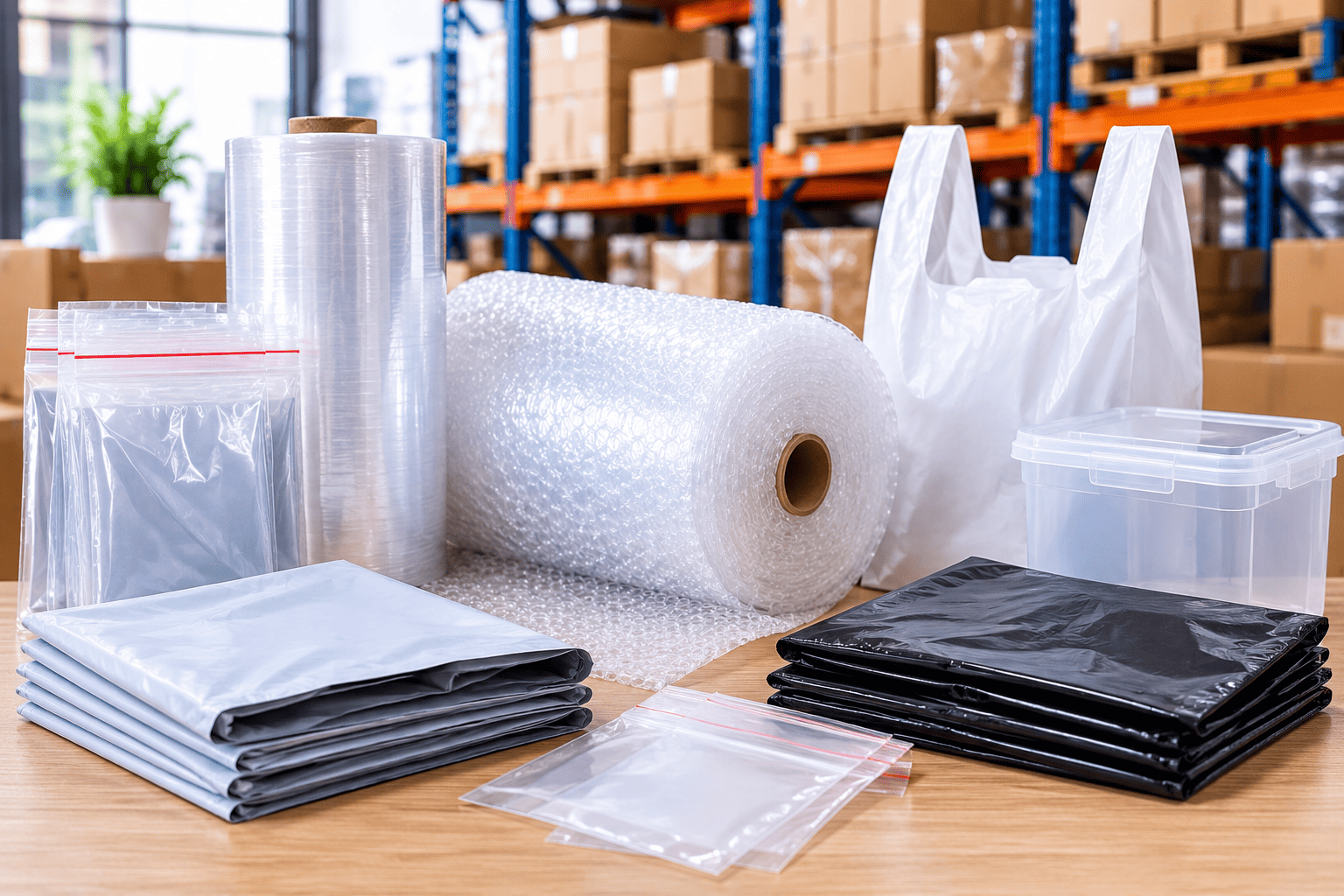
Walk into any warehouse, workshop, or stockroom, and you’ll spot plastic packaging quietly doing its job. It keeps dust off stock, holds loads together on a pallet, and keeps damp out of items you can’t afford to replace. But with so many films, bags and covers around, picking the right one isn’t always obvious. Choose something too thin, and it tears on the first journey. Choose something too heavy, and you’re paying for strength you never needed. Neither one helps your margins or keeps customers happy. In this guide, we’ll walk you through the main types of plastic packaging businesses use for storage and shipping, what each one does best, and how to match it to your products.
Quick Summary
- Roll tubing lets you make bags to any length you need
- Stretch film keeps pallet loads tight and stable
- Polythene bags give you a clear view of small stock
- Heavy gauge covers protect furniture in vans and storage
- Choose your gauge by weight and journey, not by habit
What Do Businesses Actually Need Plastic Packaging For?
Before you buy anything, be clear about the job. Storage is about keeping dust, damp and scuffs away for weeks or months. Shipping is about surviving lorries, forklifts and courier hubs. Plenty of products need both, like a joiner’s finished timber that sits in the workshop and then travels to site. Most firms end up with a small mix of products rather than one hero film, and a set of clear plastic bags often starts that mix. Knowing the job upfront stops you from overspending on the wrong product.
Which Types of Plastic Packaging Should You Stock?
Tubing for Long and Awkward Items
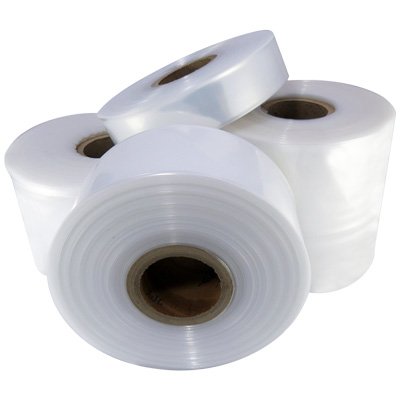
Long, narrow items never fit neatly into ready-made bags, and that’s where layflat tubing earns its place. Cut a length, seal the ends with an impulse heat sealer, and you’ve got a bag made to measure.
- Widths run from 2 inches up to 36 inches
- 250-gauge suits everyday jobs, while 500-gauge suits heavy items
- Blinds, copper pipe, timber trim, and carpet rolls all fit well
- One roll replaces a whole shelf of fixed-size bags
Stretch Film for Pallets
If you send goods on pallets, you already know a loose load is a headache. Pallet wrap pulls cartons into one tight unit so nothing shifts when the forklift tilts. A distribution centre moving boxed retail stock will get through it with roll wrap.
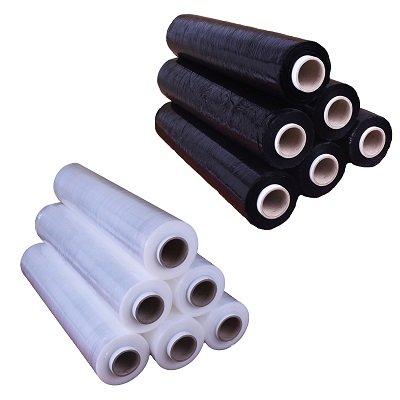
- Hand rolls suit smaller dispatch teams
- Mini rolls are handy for light loads and tight spaces
- Top covers add protection from rain and dust
- Strapping works alongside film for tall or heavy stacks
Polythene Bags for Stock and Small Parts
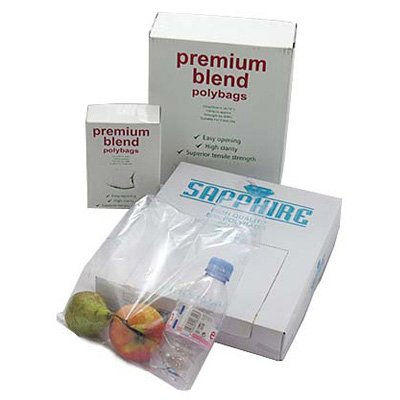
For small parts, textiles and counter goods, clear plastic bags let you see what’s inside without opening anything. A hardware wholesaler can bag fixings by the hundred, while a deli can bag loaves and pastries.
- Gauges from 100 to 200 suit light to medium products
- Grip seal versions can be reopened and reused
- Clear film makes picking and stock checks quicker
- Food bags suit bakery and deli counters
Covers for Furniture and Mattresses
Removal firms and furniture retailers know how quickly a sofa gets marked in the back of a van. Strong sofa bags keep fabric clean and dry in transit and in storage.
- Heavy-duty 600 gauge covers handle house moves and warehouse storage
- Armchair, sofa, and mattress sizes are all available
- Covers without a gusset run tighter, so buy a size up
- Waterproof film also protects outdoor cushions
How Do You Choose the Right Option?
Here’s a quick cheat sheet. Match your product to the film first, then check the gauge before you order.
| Your Product | Best Fit | Industry Example |
| Pipes, rails and trims | Roll tubing, 250 to 500-gauge | Plumbing and joinery |
| Boxed stock on pallets | Stretch film plus top covers | Distribution and retail |
| Small parts and fixings | Polythene or grip seal bags | Hardware and ecommerce |
| Sofas, beds and mattresses | 600-gauge covers | Removals and furniture |
A quick tip from us: if your products vary in length, start with layflat tubing, because it cuts waste and saves storage space. For anything heading out on a pallet, add pallet wrap for a tidy, stable load.
What Should You Take Away from All This?
Plastic packaging doesn’t have to be complicated. Start with your product’s length, weight, and travel distance, then choose the right film. A small stock of tubing, stretch film, polythene bags and furniture covers will handle most storage and shipping jobs. If you deal with furniture, keep a few sofa bags in different sizes on the shelf, and if you pack small items, clear plastic bags will save you plenty of time. Not sure which gauge to go for? Just ask us, and we’ll help you pick.
FAQs
- What gauge of polythene should I choose for heavy items?
For heavy or sharp-edged goods, choose 500 gauge or higher. For lighter everyday jobs, 250 gauge is usually plenty and keeps costs down.
- How do I seal tubing into a custom bag?
Cut your layflat tubing to length, then use an impulse heat sealer to close one or both ends. Check the seal is even before you pack anything inside.
- Can I apply stretch film by hand?
Yes, hand rolls are made for exactly that. Start with a few turns around the base, work up, and finish with extra layers on top so your pallet wrap holds the whole load together.
- Are heavy-duty covers waterproof?
Thick polythene keeps water out well, which is why sofa bags also work for outdoor furniture and cushions. Just make sure you fold and tape the opening shut.
- Can I use polythene bags for food?
Yes, but choose bags specifically sold for food use. Standard polythene bags are fine for dry goods, so always check the product details first.