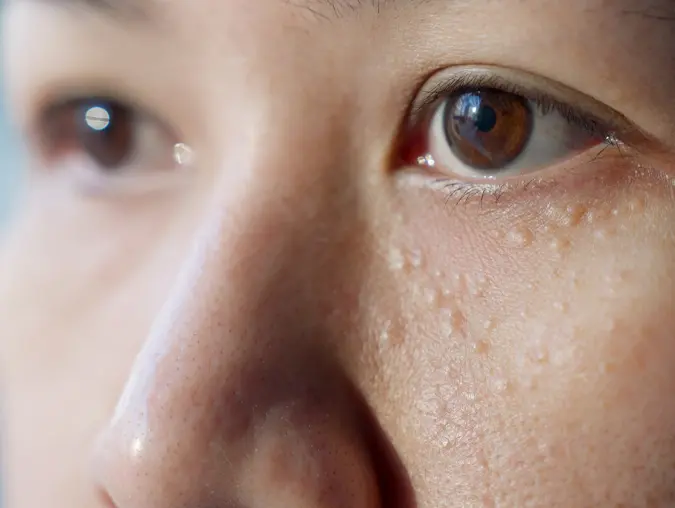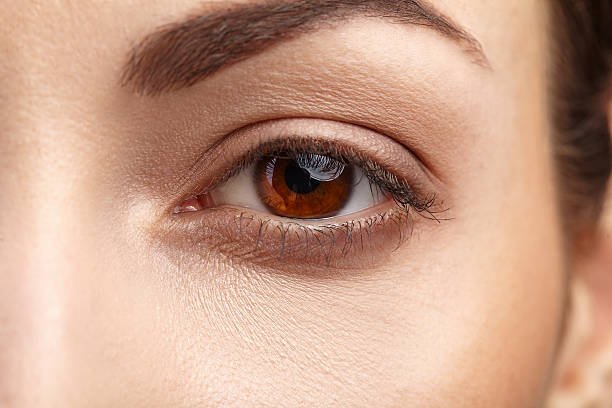
The under-eye area plays an important role in overall facial appearance, as its texture, volume, and smoothness can influence how refreshed and youthful the face looks. Concerns such as hollowness, fine lines, uneven contours, and visible creases may develop due to natural ageing, changes in facial volume, and individual skin characteristics. Many people explore cosmetic treatments to improve these concerns and achieve a smoother appearance. Under Eye Fillers in Abu Dhabi are a popular option for individuals looking to restore lost volume and create a more balanced transition between the lower eyelids and cheeks. However, an important question is whether these fillers can directly improve under-eye skin texture or primarily address volume-related concerns. Understanding how the treatment works can help establish realistic expectations.
Understanding Under-Eye Skin Texture
The skin beneath the eyes is naturally thinner and more delicate than the skin in many other facial areas. Because of its delicate structure, this region can show changes in texture more noticeably. Fine lines, mild creasing, uneven appearance, and reduced smoothness may become increasingly visible over time.
Several factors contribute to these changes. Natural ageing can reduce collagen and elastin production, affecting skin firmness and flexibility. Changes in facial fat distribution may also create hollows and shadows that make the under-eye area appear uneven. Genetics, facial anatomy, and individual skin characteristics can further influence how this region looks.
It is important to understand that under-eye texture concerns are not always caused by volume loss. Some individuals experience prominent hollows, while others mainly notice fine lines or changes in skin quality. Identifying the underlying concern is essential when considering an appropriate cosmetic treatment.
How Do Under-Eye Fillers Work?
Under-eye fillers are injectable treatments commonly formulated with hyaluronic acid, a substance naturally found in the body that helps maintain hydration and volume. When carefully placed in the appropriate areas, these fillers can restore lost volume and improve the appearance of hollows beneath the eyes.
The treatment primarily focuses on correcting volume deficiencies and creating a smoother transition between the lower eyelid and upper cheek. When the under-eye area has noticeable hollowness, the resulting shadows can make the skin appear darker, uneven, or more tired. Restoring volume may soften these transitions and create a more balanced appearance.
Hyaluronic acid also has water-attracting properties, which contribute to its ability to maintain volume within treated tissues. However, the main purpose of traditional under-eye filler treatment is structural correction rather than comprehensive skin resurfacing or direct improvement of skin texture.
Can Under-Eye Fillers Improve Fine Lines and Creases?
Under-eye fillers may improve the appearance of certain fine lines and creases when they are associated with volume loss. When the area beneath the eyes becomes hollow, the surrounding skin may appear more folded or shadowed. Carefully restoring volume can soften these visible transitions and make the region look smoother.
However, not all under-eye lines respond equally well to fillers. Fine lines caused primarily by reduced skin elasticity, repeated facial movements, or changes in the skin’s surface may require a different approach. Adding volume does not necessarily correct these concerns because their underlying causes are different.
The distinction between volume-related creasing and superficial skin lines is important. An appropriate assessment helps determine whether fillers can create a noticeable improvement or whether another skin-focused treatment would be more suitable.
The Relationship Between Volume and Skin Smoothness
Volume plays an important role in how smooth the under-eye area appears. When the natural cushioning beneath the eyes changes with age, the skin may lose some of its support. This can create hollows, uneven contours, and noticeable transitions between facial areas.
Under-eye fillers can help address these structural changes by adding carefully controlled volume. As the treated region becomes more balanced, shadows and contour irregularities may appear less prominent. This can create the impression of smoother skin, even when the actual surface texture has not undergone a significant change.
For this reason, improvements in appearance should not always be confused with improvements in skin quality. Fillers can refine the underlying contours, but they do not directly rebuild collagen or remove surface irregularities in the same way as treatments specifically designed to improve skin texture.
Can Under-Eye Fillers Improve Skin Hydration?
Hyaluronic acid is widely recognized for its ability to attract and retain water. This property is one reason it is commonly used in aesthetic treatments. When incorporated into dermal fillers, it helps maintain the volume and structure of the treated area.
Although hyaluronic acid interacts with water, traditional under-eye fillers should not be considered a complete hydration treatment for the skin’s surface. Their primary function is to restore volume and improve facial contours.
Some individuals may notice a softer overall appearance following treatment because volume restoration reduces the visibility of certain creases and uneven transitions. Nevertheless, this does not mean that every concern related to dryness, roughness, or superficial texture will improve.
Understanding this difference can help individuals choose treatments according to their actual concerns rather than expecting one procedure to address every aspect of under-eye appearance.
Who May Benefit From Under-Eye Fillers?
Individuals experiencing under-eye hollowness or volume loss may be suitable candidates for this treatment. Those who notice a visible transition between the lower eyelids and cheeks may also benefit from carefully planned volume restoration.
However, suitability depends on individual facial anatomy, skin characteristics, and the specific concern being addressed. People whose main concern involves prominent pigmentation, significant skin laxity, or superficial fine lines may not achieve their desired results through fillers alone.
The thickness and elasticity of the under-eye skin are also important considerations. Because this region is delicate, treatment requires careful product selection, appropriate placement, and an understanding of the surrounding anatomy.
A personalized assessment helps distinguish between concerns caused by volume deficiency and those related to skin quality. This ensures that treatment expectations remain realistic and that the selected approach addresses the primary aesthetic concern.
What Results Can You Expect From Under-Eye Fillers?
The results of under-eye fillers generally focus on improving hollowness, restoring volume, and creating smoother facial contours. When volume loss is the main concern, the treated area may appear more balanced, with less noticeable shadows and a softer transition between the eyes and cheeks.
The degree of improvement varies according to individual anatomy, the amount of volume loss, and the treatment approach. Some people may notice a meaningful difference in their overall under-eye appearance, while others may experience more subtle changes.
It is important to remember that fillers do not completely eliminate every wrinkle or reverse all visible signs of ageing. They are designed to address specific structural concerns rather than provide a complete solution for every skin texture issue.
Final Thoughts
Under-eye fillers can improve the overall appearance of the under-eye region by restoring lost volume, softening hollows, and creating smoother facial contours. These changes may make certain fine lines and creases less noticeable, particularly when they are associated with underlying volume deficiencies. However, traditional fillers are not primarily designed to treat superficial skin texture concerns, significant pigmentation, or reduced skin elasticity.
Understanding the difference between volume restoration and skin-quality improvement is essential when considering this treatment. A personalized evaluation can help identify the cause of under-eye concerns and determine whether fillers are an appropriate option. With realistic expectations and a suitable treatment approach, individuals can work toward a more refreshed, balanced, and naturally smooth-looking under-eye appearance.
FAQs
Can under-eye fillers improve rough skin texture?
They primarily restore volume and improve contours rather than directly treating rough or uneven skin texture.
Do under-eye fillers reduce fine lines?
They may soften fine lines associated with volume loss, but superficial wrinkles may require other treatments.
Can under-eye fillers improve skin smoothness?
Yes, they can create a smoother appearance by reducing hollowness and improving the transition between facial areas.
Do under-eye fillers improve hydration?
Hyaluronic acid attracts water, but traditional fillers are mainly intended for volume restoration rather than surface hydration.
Are under-eye fillers suitable for everyone?
No, suitability depends on facial anatomy, skin characteristics, volume loss, and individual aesthetic concerns.