Sports and physical activities help improve strength, flexibility, coordination, and overall health. Whether someone plays cricket with friends, participates in football tournaments, runs regularly, or exercises at the gym, staying active can support long-term physical well-being. However, sports also place demands on muscles, bones, joints, tendons, and ligaments. Sudden movements, repeated strain, improper technique, or accidental falls can sometimes lead to injuries that affect daily activities.
Sports-related pain should not always be ignored, especially when it continues for several days, returns during exercise, or limits normal movement. Early assessment can help identify the possible cause of discomfort and guide appropriate treatment and rehabilitation.
Consulting a sports injury doctor Ambikapur can help athletes and physically active individuals understand their symptoms, recover safely, and reduce the risk of further injury. From sprains and muscle strains to knee pain and suspected fractures, appropriate medical care can make an important difference in recovery.
What Does a Sports Injury Doctor Treat?
A sports injury doctor evaluates and manages injuries that occur during exercise, training, recreational activities, or competitive sports. These injuries may affect muscles, ligaments, tendons, bones, and joints, depending on the activity and the nature of the incident.
Sports injuries can develop suddenly or gradually. An ankle injury after landing awkwardly is an example of an acute injury, while shoulder pain caused by repeated throwing movements may develop over time.
Common conditions that may require medical evaluation include:
- Muscle strains: Stretching or tearing of muscle fibres during sudden movement or excessive exertion.
- Ligament sprains: Injuries to the tissues connecting bones, often affecting the ankle, knee, or wrist.
- Knee injuries: Pain associated with cartilage, ligaments, overuse, or other joint problems.
- Shoulder injuries: Discomfort related to repetitive overhead movements, falls, or excessive loading.
- Tendon injuries: Irritation or damage caused by repetitive stress or sudden force.
- Stress fractures: Small cracks in bones that can develop from repeated loading.
- Bone fractures: Breaks that may occur following falls, collisions, or direct impact.
The appropriate treatment depends on the injury, its severity, the person’s activity level, and their overall health.
Common Sports Injuries and Their Warning Signs
Recognising symptoms early can help prevent an injury from becoming more complicated. Although some minor discomfort improves with rest, persistent or severe pain requires proper assessment.
1. Muscle Strains and Sprains
Muscle strains commonly occur during sprinting, jumping, lifting, or sudden changes in direction. A sprain affects a ligament and may happen when a joint twists beyond its normal range.
Symptoms can include pain, tenderness, swelling, bruising, and difficulty using the affected area. Severe injuries may cause considerable weakness or an inability to put weight on a limb.
Avoid forcing movement through significant pain. If swelling is severe, the joint appears unstable, or walking becomes difficult, seek medical attention.
2. Knee Pain During Sports
Knee injuries are common in activities involving running, jumping, pivoting, and sudden stops. Football, basketball, badminton, and cricket can place considerable demands on the knee joint.
Pain may occur around the kneecap, along the sides of the joint, or deep within the knee. Other symptoms include swelling, stiffness, locking, or a feeling that the knee may give way.
These symptoms can have several causes, so a clinical examination is important. Some injuries respond to activity modification and rehabilitation, while others require further investigation or specialist treatment.
3. Shoulder and Elbow Injuries
Sports involving repeated arm movements, including tennis, badminton, swimming, and throwing activities, may lead to shoulder or elbow discomfort.
Pain during overhead movements, reduced strength, tenderness, or difficulty lifting the arm can indicate an underlying problem. Persistent symptoms should be assessed rather than repeatedly managed with pain relief alone.
4. Ankle Injuries and Foot Pain
Ankle sprains may occur when the foot rolls unexpectedly during running, jumping, or landing. Foot pain can also result from overuse, unsuitable footwear, or repeated impact.
Swelling and tenderness are common after an ankle injury. However, severe pain, significant swelling, deformity, or an inability to bear weight may indicate a more serious injury, including a fracture.
5. Overuse Injuries
Not every sports injury results from a single accident. Increasing training intensity too quickly, repeating the same movement, or allowing insufficient recovery time can gradually produce pain.
Examples include tendon irritation, shin pain, and stress injuries in the bones. Continuing to train through worsening pain can prolong recovery, making early assessment particularly important.
When Should You Consult a Sports Injury Doctor in Ambikapur?
You should consider medical evaluation when sports-related pain persists, worsens, repeatedly returns during activity, or interferes with walking, lifting, sleeping, or everyday tasks.
Some symptoms require urgent assessment rather than a routine appointment. These include:
- Severe pain or obvious deformity following an injury.
- Inability to stand or bear weight on the affected limb.
- Rapid or substantial swelling after a fall or collision.
- A joint that appears dislocated or severely unstable.
- Numbness, unusual weakness, or a cold or pale limb after an injury.
- An open wound associated with a suspected fracture.
A suspected fracture or dislocation should not be treated by attempting to straighten or reposition the affected area yourself. Seek emergency medical care.
For less severe injuries, a consultation can help determine whether the problem is related to muscle strain, ligament damage, joint irritation, or another condition.
How Sports Injuries Are Evaluated
Accurate assessment is an important first step towards appropriate treatment. A doctor generally considers how the injury happened, which movements cause pain, and whether the symptoms have changed since the incident.
Medical History and Physical Examination
The doctor may ask about the sport or exercise involved, recent changes in training, previous injuries, and the exact location of the pain.
A physical examination may assess swelling, tenderness, joint movement, muscle strength, stability, and the ability to bear weight. The examination is adapted to the suspected injury.
Imaging and Further Investigations
Imaging is not necessary for every sports injury. However, further tests may be recommended when the examination suggests a fracture, significant ligament injury, or another condition requiring closer assessment.
Depending on the clinical findings, investigations may include:
- X-rays: Commonly used to assess suspected bone fractures and certain joint problems.
- Ultrasound: May help evaluate selected tendon, muscle, and soft-tissue injuries.
- MRI: Can provide detailed images of ligaments, cartilage, tendons, and other soft tissues.
The choice of investigation depends on the suspected condition and whether the results are likely to influence treatment.
Sports Injury Treatment and Recovery Options
Treatment aims to relieve symptoms, support tissue healing, restore movement, and help the person return to normal activities safely. The best approach depends on the type and severity of the injury.
Initial Care for Minor Injuries
For some minor soft-tissue injuries, temporarily stopping the activity and protecting the affected area can help. Applying a wrapped cold pack for short periods may reduce pain and swelling. Avoid applying ice directly to the skin.
Compression and elevation may also help manage swelling when appropriate. However, these measures are not a substitute for medical evaluation when symptoms are severe or persistent.
Avoid forceful stretching, deep massage, or returning to strenuous activity immediately after an injury without understanding its severity.
Medication and Pain Management
A doctor may recommend appropriate pain-relieving medication depending on the patient’s age, medical history, other medicines, and the nature of the injury.
Pain relief should not be used to mask symptoms so that a person can continue playing. Some medicines are unsuitable for certain people, and their use should be discussed with a healthcare professional when necessary.
Physiotherapy and Rehabilitation
Rehabilitation is often an important part of recovery. Depending on the injury, a physiotherapist may guide the patient through exercises designed to improve flexibility, strength, balance, coordination, and joint movement.
Rehabilitation may progress through different stages:
- Reducing pain and swelling while protecting the injured area.
- Restoring comfortable movement and flexibility.
- Gradually rebuilding strength and stability.
- Practising movements specific to the person’s sport.
- Returning to training when appropriate functional goals are met.
Progress should be based on the injury and the patient’s recovery rather than a fixed timeline.
When Is Surgery Necessary?
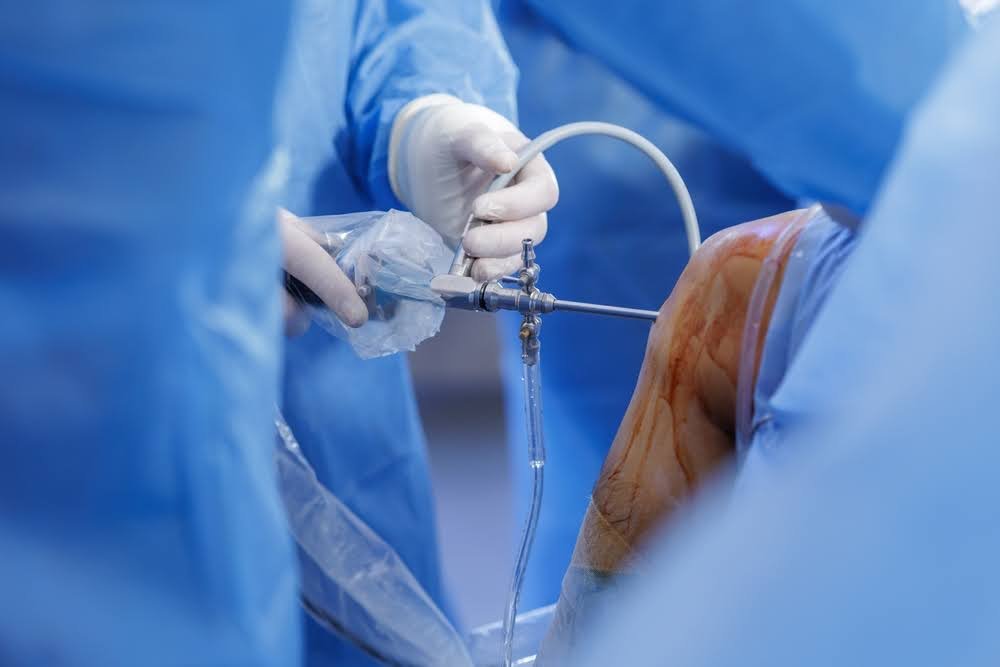
Most minor sports injuries do not require surgery. However, certain fractures, severe ligament injuries, tendon ruptures, and other structural problems may need surgical assessment.
The decision depends on the injury’s severity, joint stability, functional limitations, activity requirements, and response to non-surgical treatment. A specialist can explain the available options and their potential benefits and risks.
How to Prevent Sports Injuries
Although not every injury can be prevented, sensible training habits can reduce avoidable risks.
Warm Up Before Exercise
Begin with light activity and gradually increase intensity. Include movements that prepare the muscles and joints for the sport you plan to perform.
Increase Training Gradually
Avoid sudden increases in training duration, distance, weight, or intensity. Give your body time to adapt, particularly when starting a new activity or returning after a break.
Use Suitable Equipment
Choose footwear appropriate for the activity and playing surface. Check sports equipment regularly and use protective gear where recommended.
Build Strength and Flexibility
Strengthening exercises can help support the muscles around major joints. Balance and coordination exercises may also be useful for activities involving rapid direction changes.
Allow Adequate Recovery
Sleep, rest days, hydration, and appropriate nutrition support physical recovery. Repeatedly training through fatigue or worsening pain may increase injury risk.
Return to Sport at the Right Time
Feeling less pain does not necessarily mean that an injury has fully recovered. Before returning to demanding activity, aim to regain the movement, strength, balance, and sport-specific function required for safe participation.
Choosing the Right Sports Injury Doctor in Ambikapur
When looking for medical care for sports-related pain, consider whether the doctor can evaluate musculoskeletal injuries and explain the available treatment options clearly.
Useful factors to consider include:
- Experience in assessing bone, joint, muscle, and ligament problems.
- Access to appropriate diagnostic investigations or referrals.
- Guidance on rehabilitation and safe return to physical activity.
- Clear explanations of treatment choices, expected recovery, and warning signs.
- Follow-up arrangements when symptoms persist or recovery is slower than expected.
Patients in Ambikapur can consider consulting Dr. Tanay Goyal for an assessment of sports-related pain and musculoskeletal concerns. During a consultation, patients should explain how the injury occurred, how long symptoms have been present, and which activities make the pain worse.
Bringing previous X-rays, scan reports, prescriptions, or details of earlier injuries may also help the doctor understand the situation.
The aim of an appropriate consultation is to identify the likely cause of symptoms, determine whether further testing is needed, and establish a suitable care plan.
Frequently Asked Questions
1. When should I visit a sports injury doctor for pain?
Consult a doctor if pain persists, worsens, returns whenever you exercise, or limits normal movement. Severe pain, visible deformity, major swelling, or an inability to bear weight requires urgent medical assessment.
2. Can sports injuries heal without surgery?
Yes, many minor muscle strains, ligament sprains, and overuse injuries improve with appropriate activity modification, medical guidance, and rehabilitation. More serious injuries may require specialist assessment to determine whether surgery is necessary.
3. How long does recovery from a sports injury take?
Recovery time varies according to the injury, its severity, the person’s general health, and adherence to rehabilitation. Minor injuries may improve within days or weeks, while significant fractures, tendon injuries, or ligament damage may take several months or longer.
4. Should I continue playing if the pain is mild?
It is best to avoid activities that increase or worsen pain until the cause is understood. Continuing to play may aggravate an injury, even if the discomfort initially seems manageable. Seek medical advice if symptoms persist or recur.
5. How can I reduce the risk of another sports injury?
Warm up properly, increase training intensity gradually, use suitable equipment, strengthen supporting muscles, and allow adequate recovery. After an injury, follow a gradual return-to-sport plan based on your recovery and medical guidance.
Conclusion
Sports-related pain can affect people at every activity level, from occasional recreational players to regular athletes. Recognising warning signs, seeking timely medical evaluation, and following an appropriate recovery plan can help protect mobility and reduce the risk of further injury. Proper rehabilitation and a gradual return to activity are also important parts of long-term musculoskeletal health.
For individuals seeking guidance on sports-related pain and injuries in Ambikapur, Dr. Tanay Goyal is a doctor they can consider consulting for an assessment of their concerns. Understanding the injury and choosing care suited to its severity can help patients make informed decisions about recovery and returning to the activities they enjoy.