Dark spots, uneven skin tone, and lingering marks after acne are common skin concerns that can affect the appearance of an otherwise healthy complexion. These changes may develop because of sun exposure, hormonal fluctuations, inflammation, or the natural aging process. While several skincare treatments are available to improve discoloration, microdermabrasion is one option that attracts attention for its ability to exfoliate the skin and promote a smoother, brighter appearance.
But can Microdermabrasion actually help fade dark spots? The answer depends on the cause of the discoloration, the individual’s skin type, and the depth of the pigmentation. This non-invasive treatment can improve certain superficial dark spots by removing dead skin cells from the outermost layer of the skin. However, it may not be effective for every type of pigmentation, and improper treatment can sometimes make discoloration worse.
Understanding how microdermabrasion works, its benefits, its limitations, and the precautions involved can help individuals make informed decisions about their skincare routine.
1. What Is Microdermabrasion and How Does It Work?
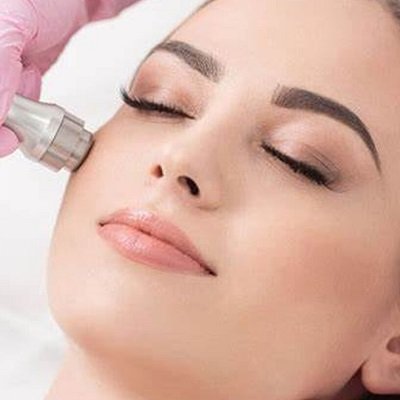
Microdermabrasion is a non-invasive cosmetic procedure designed to exfoliate the outermost layer of the skin. It typically uses a specialized handheld device that either releases fine crystals or employs a diamond-tipped surface to gently remove dead skin cells. A suction mechanism may also help lift away loosened skin debris.
Unlike more intensive resurfacing procedures, microdermabrasion generally works on the skin’s surface rather than targeting deeper layers. The treatment is commonly used to improve rough texture, dullness, mild uneven pigmentation, and the appearance of certain superficial blemish marks.
During a session, the treatment provider moves the device across the skin in controlled passes. The process usually takes a relatively short amount of time, depending on the area being treated. Most people experience mild scratching or suction sensations rather than significant discomfort.
After treatment, the skin may look temporarily pink or feel slightly sensitive. These effects usually settle within a short period, although recovery varies depending on the individual’s skin and the intensity of the procedure.
One important distinction is that microdermabrasion does not directly eliminate excess melanin, the pigment responsible for skin color. Instead, it exfoliates the outermost skin cells, which may help reduce the visibility of discoloration located near the surface. This explains why the treatment can improve some dark spots but may have limited results for deeper pigmentation.
2. Can Microdermabrasion Help Fade Dark Spots?
Microdermabrasion can help fade certain types of dark spots, particularly mild, superficial discoloration. By removing accumulated dead skin cells and encouraging a smoother skin surface, the treatment may make the complexion appear more even and radiant.
However, its effectiveness depends largely on the underlying cause of the dark spots.
Sunspots and superficial sun damage: Repeated exposure to ultraviolet radiation can contribute to flat brown spots, often called sunspots or age spots. Microdermabrasion may help improve the appearance of some superficial discoloration, but it generally cannot remove established pigmentation reliably. Other treatments may provide more noticeable results.
Post-acne marks: After a pimple heals, inflammation can leave a flat brown or dark mark known as post-inflammatory hyperpigmentation. When these marks are superficial, microdermabrasion may offer some improvement as part of a carefully planned skincare routine. However, it is not a guaranteed solution, and aggressive exfoliation can aggravate inflammation.
Uneven skin tone: Some individuals develop a dull or patchy appearance because dead skin cells accumulate on the skin’s surface. Microdermabrasion can remove this buildup, allowing the skin to look fresher and smoother. The improvement in brightness may make minor discoloration less noticeable.
Melasma: Melasma causes brown or gray-brown patches, often on the cheeks, forehead, upper lip, or other areas exposed to sunlight. It is associated with factors such as hormonal changes and ultraviolet or visible-light exposure. Microdermabrasion is not usually a first-line treatment for melasma because irritation may worsen pigmentation, particularly in people prone to post-inflammatory hyperpigmentation.
Overall, microdermabrasion is best viewed as a surface-exfoliation treatment rather than a dedicated pigmentation-removal procedure. It may support a broader skincare plan, but persistent or widespread dark spots often require a more targeted approach.
3. What Are the Benefits of Microdermabrasion for Skin?
Although fading dark spots is a common reason for considering microdermabrasion, the treatment may offer several additional cosmetic benefits.
Improved skin texture: By removing dead cells from the skin’s surface, microdermabrasion can help reduce roughness and make the complexion feel softer.
A brighter appearance: Surface exfoliation may reduce dullness and help the skin appear more refreshed. This effect can be particularly noticeable when dead skin buildup contributes to an uneven-looking complexion.
Smoother-looking pores: Microdermabrasion may temporarily improve the appearance of congested skin by removing surface debris. However, it does not permanently shrink pores or treat every cause of acne.
Better product application: A smoother skin surface may allow skincare products to spread more evenly. Nevertheless, exfoliation does not automatically mean that every active ingredient will penetrate more effectively or produce better results.
Minimal downtime: Most people can return to their normal daily activities soon after a gentle treatment. Temporary redness, dryness, tenderness, or increased sensitivity can still occur.
It is important to maintain realistic expectations. Microdermabrasion generally provides gradual, modest cosmetic improvements rather than dramatic changes. It also does not reliably remove deep acne scars, significant wrinkles, or all forms of pigmentation.
4. How Many Microdermabrasion Sessions Are Needed to Fade Dark Spots?
The number of sessions needed varies according to the severity of discoloration, the skin’s sensitivity, the treatment technique, and the individual’s response.
Some people notice a brighter appearance after a single session, especially when dullness is caused by surface buildup. However, a visible reduction in dark spots usually requires a more individualized assessment, and microdermabrasion alone may not produce a meaningful change in persistent pigmentation.
When the treatment is appropriate, sessions may be spaced several weeks apart to allow the skin to recover. The frequency should depend on the treatment intensity and the skin’s tolerance rather than following a rigid schedule.
Repeated treatments are not necessarily better. Excessive exfoliation can damage the skin barrier, leading to dryness, irritation, inflammation, and potentially darker marks. This risk is particularly important for people whose skin tends to develop pigmentation after minor irritation.
A qualified skincare professional can assess the type of discoloration and determine whether microdermabrasion is suitable. If the spots are deep, persistent, changing, or accompanied by other unusual skin changes, a medical evaluation may be more appropriate than repeated cosmetic treatments.
Progress should be assessed over time using consistent lighting and, when helpful, photographs. Changes in skin brightness can be subtle, and temporary redness immediately after a session should not be mistaken for a lasting improvement.
5. Is Microdermabrasion Safe for All Skin Types?
Microdermabrasion is generally well tolerated when performed appropriately, but it is not suitable for every individual or skin condition.
People with healthy skin and mild surface discoloration may be reasonable candidates. However, those with sensitive skin, active inflammatory acne, eczema, rosacea, open wounds, or a compromised skin barrier may experience greater irritation.
Individuals with medium to deep skin tones should be particularly cautious when considering treatments for pigmentation. These skin tones can be more susceptible to post-inflammatory hyperpigmentation, in which irritation or injury triggers additional melanin production. Although microdermabrasion is relatively superficial, overly aggressive treatment can still cause unwanted discoloration.
The procedure should generally be postponed on areas with active infection, cold sores, significant irritation, or recently sunburned skin. Recent use of certain medications or topical products that increase skin sensitivity may also affect treatment suitability.
A professional assessment is especially important for people who are prone to keloids, have a history of unusual skin reactions, or use prescription acne treatments. Individuals taking isotretinoin or using potent topical retinoids should discuss treatment timing and safety with an appropriate healthcare professional rather than assuming exfoliation is harmless.
Another essential precaution is to identify the cause of the dark spots before treating them. A new or changing pigmented lesion should not automatically be treated as a cosmetic concern. Changes in size, shape, color, or borders, or symptoms such as bleeding, itching, or persistent crusting, warrant medical assessment.
6. How to Get Better Results From Microdermabrasion
A thoughtful skincare routine can help support the skin before and after microdermabrasion. It can also reduce the likelihood of irritation that might make dark spots more noticeable.
Use broad-spectrum sunscreen daily. Sun protection is one of the most important steps in preventing existing pigmentation from darkening and reducing the formation of new spots. A broad-spectrum sunscreen with SPF 30 or higher should be applied to exposed skin, with reapplication about every two hours outdoors and after swimming or heavy sweating. Hats, shade, and protective clothing provide additional support.
Keep the skin hydrated. A gentle moisturizer helps maintain the skin barrier and can reduce dryness following exfoliation. Products containing ingredients such as ceramides, glycerin, or hyaluronic acid may be useful, depending on individual skin needs.
Avoid excessive exfoliation. Scrubs, exfoliating acids, and other potentially irritating treatments should not be combined indiscriminately with microdermabrasion. A temporary pause in irritating products may be appropriate, based on professional guidance and the skin’s recovery.
Consider targeted ingredients. Depending on the cause of pigmentation, ingredients such as azelaic acid, vitamin C, niacinamide, or a topical retinoid may help improve uneven skin tone. These ingredients work differently from microdermabrasion, and not all are suitable for every skin type. Introducing them gradually can help reduce irritation.
Follow aftercare instructions. The skin may be more sensitive immediately after treatment. Gentle cleansing, moisturizing, and sun protection are generally preferable to harsh or fragranced products during recovery.
Choose the treatment according to the pigmentation. Persistent melasma, deeper sun-related pigmentation, and post-acne marks may respond better to a tailored combination of topical treatments or other professionally selected procedures. Chemical peels, prescription medications, and certain laser-based treatments may be considered in suitable cases, but each has its own risks and limitations.
The most effective plan is not necessarily the one that involves the greatest amount of exfoliation. A consistent, skin-friendly approach often offers a better balance between gradual improvement and the prevention of further discoloration.
Frequently Asked Questions About Microdermabrasion
1. Does microdermabrasion remove dark spots permanently?
Microdermabrasion may improve some superficial dark spots, but it does not guarantee permanent removal. Pigmentation can return or become darker with continued sun exposure, hormonal influences, or skin inflammation. Consistent sun protection and appropriate skincare help maintain results.
2. How long does it take to see results from microdermabrasion?
Some people notice smoother skin and a brighter appearance soon after a session. Fading dark spots generally takes longer, and the extent of improvement depends on the type and depth of pigmentation. Some marks may respond only minimally to microdermabrasion.
3. Can microdermabrasion make dark spots worse?
Yes. Although the procedure is designed to exfoliate the skin, excessive friction or irritation can trigger inflammation and post-inflammatory hyperpigmentation. This is a particular concern for individuals who are prone to dark marks or have more deeply pigmented skin.
4. Is microdermabrasion suitable for acne scars and acne marks?
Microdermabrasion may help with mild surface irregularities and some superficial post-acne marks. However, it is not a reliable treatment for deep, pitted, or raised acne scars. Active, inflamed acne should also be assessed before exfoliation is considered.
5. Is microdermabrasion better than a chemical peel for dark spots?
Neither treatment is universally better. Microdermabrasion removes surface skin cells through physical exfoliation, while chemical peels use exfoliating agents to produce controlled skin renewal. The appropriate option depends on the pigmentation, skin tone, sensitivity, and risk of post-inflammatory hyperpigmentation.
6. What should be avoided after microdermabrasion?
Immediately after treatment, harsh scrubs, strong exfoliating acids, irritating retinoids, excessive heat, and unprotected sun exposure may aggravate sensitivity. Gentle cleansing, moisturizing, and broad-spectrum sunscreen are generally recommended. The exact aftercare routine should follow the treatment provider’s guidance.
Final Thoughts
Microdermabrasion can help improve skin texture, reduce dullness, and make certain superficial dark spots less noticeable. However, its ability to fade pigmentation depends on the underlying cause, and it is not a universal solution for sunspots, melasma, or persistent post-acne discoloration.
For the best outcome, individuals should consider their skin type, choose treatments carefully, and maintain a consistent routine that prioritizes hydration and sun protection. When dark spots persist or worsen, identifying the cause and exploring more targeted options may be more effective than relying on repeated exfoliation alone.
With realistic expectations and an appropriate skincare plan, microdermabrasion may play a useful supporting role in achieving a smoother, brighter, and more even-looking complexion.
Read More About Microdermabrasion: https://cityofarticle.in.net/article/can-microdermabrasion-minimize-large-pores