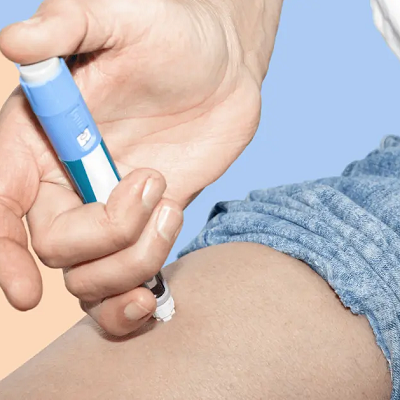
Nausea is one of the most common side effects experienced by people using an Ozempic Injection. Although this symptom can be uncomfortable, it is often manageable with simple dietary changes, healthy daily habits, and guidance from a qualified healthcare professional. Understanding why nausea occurs and how to respond to it can help individuals feel more comfortable while following their prescribed treatment plan.
Ozempic Injection contains semaglutide, a medication that works by mimicking a natural hormone involved in blood sugar regulation and appetite control. It is primarily prescribed to help manage type 2 diabetes and may also provide benefits for certain cardiovascular and kidney-related outcomes in eligible patients. The medication slows stomach emptying and can influence feelings of fullness, which may contribute to nausea, particularly when treatment begins or the dosage increases.
For many individuals, nausea improves as the body adjusts to the medication. However, persistent or severe symptoms should never be ignored. Learning how to manage nausea after an Ozempic Injection can make treatment more comfortable while helping individuals recognize when professional medical advice is necessary.
1. Why Does Nausea Occur After an Ozempic Injection?
Nausea can occur because semaglutide affects how the digestive system functions. By slowing the movement of food from the stomach into the small intestine, the medication can help people feel full for longer. While this effect can support appetite control and blood sugar management, it may also cause temporary digestive discomfort.
Several factors can increase the likelihood of experiencing nausea after an Ozempic Injection.
Starting treatment: The digestive system may need time to adjust when someone begins using semaglutide. Nausea, bloating, and a feeling of fullness can be more noticeable during the early stages of treatment.
Increasing the dosage: Gastrointestinal side effects may become more noticeable when the prescribed dose increases. Following the recommended dose-escalation schedule helps the body adjust gradually.
Eating large meals: Consuming large portions can place additional pressure on a stomach that is emptying more slowly. This may lead to nausea, indigestion, or uncomfortable fullness.
Eating rich or fatty foods: Fried foods, creamy dishes, and meals containing substantial amounts of fat may worsen digestive symptoms for some individuals.
Eating too quickly: Rapid eating can make it harder to recognize fullness and may contribute to discomfort after meals.
Nausea does not necessarily mean that the medication is unsuitable for a particular person. Nevertheless, symptoms that persist, worsen, or interfere with normal activities deserve medical attention.
2. Eat Smaller Meals and Choose Gentle Foods
One of the most practical ways to manage nausea after an Ozempic Injection is to adjust meal size and food choices. Since semaglutide slows stomach emptying, smaller meals may be easier to tolerate than large portions.
Instead of eating two or three heavy meals, individuals may find it helpful to consume several smaller meals throughout the day. Eating slowly and stopping when comfortably satisfied can also reduce the likelihood of feeling overly full.
Foods That May Help Reduce Nausea
Simple, relatively bland foods may be easier to tolerate during periods of digestive discomfort. Suitable options can include:
- Plain toast, crackers, or dry cereal.
- Rice, oatmeal, or plain potatoes.
- Bananas and other fruits that are well tolerated.
- Clear soups or light broths.
- Boiled eggs or other simple protein sources, if tolerated.
- Cooked vegetables prepared with minimal added fat.
These foods are not guaranteed to eliminate nausea, and individual tolerance can vary. A balanced diet remains important, particularly for people using Ozempic to manage diabetes.
Foods That May Make Symptoms Worse
Some foods can aggravate nausea or indigestion, especially when consumed in large quantities. These may include:
- Fried and greasy foods.
- Very rich or creamy meals.
- Spicy dishes that trigger digestive discomfort.
- Large portions of high-fat meat.
- Sugary foods or drinks that worsen an individual’s symptoms.
Alcohol may also aggravate gastrointestinal symptoms and can create additional concerns for people managing diabetes.
Keeping a simple food diary can help identify personal triggers. By recording meals, injection days, and symptoms, individuals may discover patterns that make it easier to adjust their eating habits.
3. Stay Hydrated and Use Simple Nausea-Relief Strategies
Adequate hydration is important when managing nausea after an Ozempic Injection. Nausea may reduce the desire to drink, while vomiting can cause the body to lose fluids and electrolytes.
Taking small, frequent sips of water may be easier than drinking a large glass at once. Other suitable fluids may include clear broth or an oral rehydration solution when fluid replacement is needed. People with medical conditions that require fluid restrictions should follow their healthcare professional’s advice.
A few everyday habits may also help reduce discomfort.
Drink fluids gradually: Frequent small sips may be more comfortable than drinking quickly, particularly when the stomach feels unsettled.
Avoid lying down immediately after eating: Remaining upright after meals may help reduce reflux and digestive discomfort.
Get fresh air: Sitting near an open window or taking a gentle walk, if comfortable, may help some people feel less nauseated.
Eat in a calm environment: Strong food smells, stuffy rooms, and rushing through meals can make nausea feel worse for some individuals.
Prioritize rest: Fatigue and poor sleep can make it harder to cope with unpleasant symptoms. A consistent sleep schedule and sufficient rest may support overall comfort.
Ginger tea or small amounts of ginger-containing foods may help some people with nausea. However, ginger is not a proven treatment for nausea specifically caused by semaglutide, and supplements can interact with medications or cause other side effects. Anyone considering concentrated ginger supplements should seek professional advice first.
If nausea is accompanied by repeated vomiting, reduced urination, dizziness, or difficulty keeping fluids down, medical advice is important because dehydration can develop.
4. Follow the Prescribed Dosage and Injection Schedule
Correct medication use is an essential part of managing side effects. Ozempic is generally administered once weekly, and the dose is usually increased gradually according to the prescribed treatment plan.
Some people experience nausea after an injection or notice that symptoms become more noticeable during the first few days of a treatment change. Others experience symptoms at different times. There is no single pattern that applies to everyone.
Individuals should follow the instructions provided with their medication and avoid changing the dose independently.
If nausea becomes difficult to manage, a healthcare professional may consider whether the current dose, the timing of a dose increase, other medications, or an underlying condition could be contributing to the symptoms. Depending on the circumstances, the professional may recommend delaying a planned increase or adjusting treatment.
Several precautions are particularly important:
- Do not increase the dose earlier than instructed.
- Do not take an extra dose to compensate for a missed injection without following the medication’s official instructions.
- Do not stop, restart, or alter treatment without appropriate medical guidance.
- Do not combine Ozempic with another semaglutide-containing product or another GLP-1 medication unless specifically directed by the prescribing professional.
- Tell the healthcare professional about other medicines and supplements being used.
People who also take insulin or sulfonylureas may have an increased risk of low blood sugar. Symptoms such as sweating, shaking, confusion, weakness, or a rapid heartbeat should be assessed promptly, and a person with diabetes should follow their established hypoglycemia management plan.
Anti-nausea medication may be appropriate in some situations, but it should not automatically be used to mask persistent symptoms. A qualified healthcare professional can determine whether medication is suitable and check for possible interactions or contraindications.
5. Recognize When Nausea Requires Medical Attention
Although mild nausea is a recognized side effect of Ozempic, not every episode of nausea should be attributed to the medication. Digestive infections, other medicines, dehydration, and different medical conditions can produce similar symptoms.
Professional assessment is particularly important when symptoms are persistent, severe, or accompanied by warning signs.
Symptoms That Should Not Be Ignored
Severe or persistent abdominal pain: Severe abdominal pain, especially when it spreads to the back or occurs with vomiting, may indicate pancreatitis. This requires urgent medical evaluation. If pancreatitis is suspected, the person should stop taking further doses until urgently assessed by a healthcare professional.
Repeated vomiting: Frequent vomiting can lead to dehydration and may prevent the body from maintaining adequate fluid intake.
Signs of dehydration: Very little urine, marked dizziness, fainting, unusual weakness, or a dry mouth may indicate significant fluid loss.
Severe abdominal swelling or constipation: Persistent abdominal distension, significant pain, or an inability to pass stool or gas may indicate a serious digestive problem that needs urgent assessment.
Allergic reactions: Swelling of the face, lips, tongue, or throat, or difficulty breathing, requires emergency medical assistance.
Symptoms of low blood sugar: This is particularly relevant for individuals who use Ozempic with insulin or sulfonylureas. Severe confusion, seizures, or loss of consciousness require emergency care.
Individuals should also seek medical advice if nausea continues for several weeks, repeatedly returns after injections, prevents normal eating, or causes unintended nutritional problems. A healthcare professional can evaluate the symptoms and determine whether treatment adjustments or further investigations are necessary.
6. Build Healthy Habits for Long-Term Comfort
Managing nausea after an Ozempic Injection often requires a combination of patience, consistent routines, and awareness of individual triggers. While symptoms may improve as the body adjusts, maintaining healthy habits can help support digestive comfort throughout treatment.
Maintain regular eating habits: Skipping meals may worsen weakness or make it harder to maintain adequate nutrition. Smaller, balanced meals can provide a more manageable alternative when appetite is reduced.
Include protein and essential nutrients: Eggs, fish, lean meat, yogurt, beans, and other tolerated protein sources can help maintain nutritional intake. Fruits, vegetables, whole grains, and appropriate healthy fats also contribute to a balanced diet.
Avoid overeating: The medication may cause fullness earlier than expected. Paying attention to fullness cues and eating slowly can help prevent discomfort.
Keep track of symptoms: A record of nausea severity, meals, fluid intake, injection dates, and dose changes may help identify patterns worth discussing with a healthcare professional.
Stay physically active as tolerated: Gentle movement can support general health. However, strenuous exercise may be uncomfortable during an episode of significant nausea, so activity should be adjusted to how the individual feels.
Attend follow-up appointments: Regular monitoring helps assess treatment effectiveness, side effects, blood sugar control, and nutritional needs. It also provides an opportunity to discuss whether the prescribed treatment remains appropriate.
Weight loss should not come at the expense of hydration, adequate nutrition, or overall well-being. People who find it difficult to eat enough, experience ongoing vomiting, or lose weight unexpectedly should seek professional guidance rather than attempting to manage these problems alone.
Frequently Asked Questions
1. How long does nausea last after an Ozempic Injection?
Nausea often improves over several days or weeks as the body adjusts to treatment. Symptoms may return or become more noticeable after a dose increase. The duration varies from person to person, and persistent or worsening nausea should be discussed with a healthcare professional.
2. What is the best food to eat when feeling nauseated after Ozempic?
Plain toast, crackers, rice, oatmeal, bananas, and clear soups may be easier to tolerate. Smaller portions and slow eating can also help. There is no single food that works for everyone, so individual tolerance and adequate nutrition remain important.
3. Should someone skip an Ozempic Injection because of nausea?
A person should not independently change or skip a prescribed dose solely because of nausea without seeking appropriate guidance. Mild symptoms may be manageable, but severe nausea, repeated vomiting, or significant abdominal pain requires prompt medical assessment. A healthcare professional can advise whether treatment should be adjusted or withheld.
4. Can drinking water help with nausea after Ozempic?
Yes, maintaining hydration may help prevent dehydration, particularly when nausea reduces normal fluid intake. Small, frequent sips may be easier to tolerate than large amounts at once. Persistent vomiting or an inability to keep fluids down requires medical attention.
5. Does nausea mean that Ozempic is working?
No. Nausea is a possible side effect, not a reliable sign that the medication is working effectively. Treatment response should be assessed through appropriate measures, such as blood sugar control and other health outcomes relevant to the individual.
6. When should someone contact a healthcare professional about nausea?
Medical advice is appropriate when nausea persists, interferes with eating or daily activities, or repeatedly occurs after injections. Severe abdominal pain, repeated vomiting, significant dehydration, or other serious symptoms require urgent assessment. Difficulty breathing or swelling of the face or throat requires emergency assistance.
Conclusion
Nausea after an Ozempic Injection can be uncomfortable, but practical changes may help many individuals manage it more effectively. Eating smaller meals, choosing foods that are easier to tolerate, drinking fluids gradually, and following the prescribed dosage schedule can all contribute to improved comfort.
At the same time, persistent or severe symptoms should never be dismissed as a normal part of treatment. Recognizing warning signs and seeking timely medical advice can help prevent complications and ensure that treatment remains appropriate.
With individualized guidance, regular monitoring, and healthy daily habits, many people can work toward managing their symptoms while maintaining their broader health goals.
Read More About Ozempic Injection: https://logcla.com/blogs/2059039/Ozempic-Injection-Before-and-After-What-to-Expect