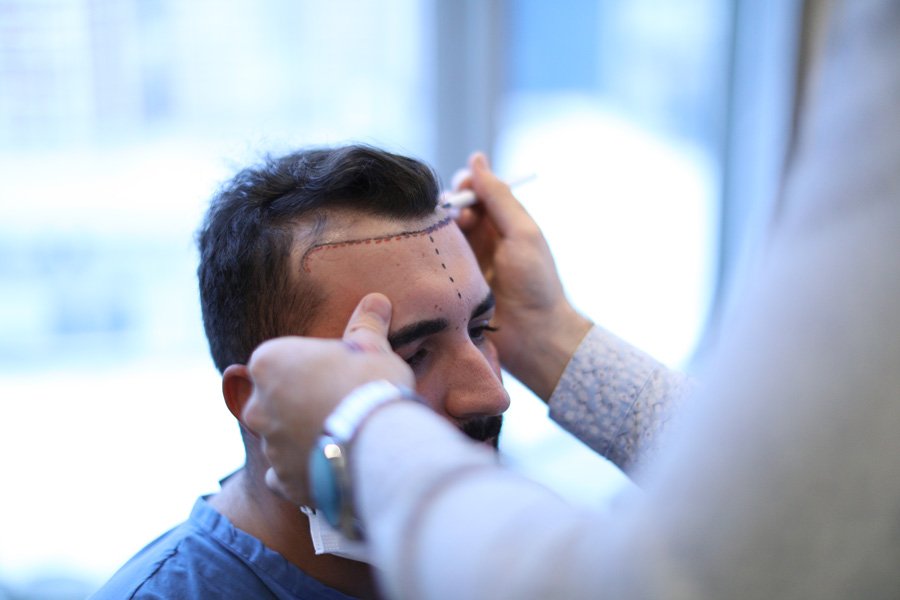
Choosing a hair transplant clinic is an important decision for anyone experiencing hair loss, thinning hair, or a receding hairline. Although modern hair restoration techniques can improve hair coverage, the outcome depends on several factors, including the surgeon’s expertise, hygiene protocols, patient assessment, and postoperative care. Understanding these standards helps patients make informed decisions rather than choosing a clinic based only on price or promotional offers.
When considering Hair transplant Surgery in Islamabad, patients should evaluate the clinic’s medical qualifications, treatment planning, safety procedures, and commitment to long-term results. A professional approach can help reduce avoidable risks and support more natural-looking outcomes.
Why Clinic Standards Are Important for Hair Transplant Surgery
Clinic standards refer to the professional, medical, and operational practices followed before, during, and after a hair transplant procedure. These standards help ensure that treatment is planned according to the patient’s individual needs.
A reliable clinic should prioritize patient safety, realistic expectations, and evidence-informed treatment decisions. Important standards include:
- Qualified medical professionals: The procedure should be performed by appropriately trained and licensed medical professionals with relevant hair restoration experience.
- Proper hygiene: Sterilization, clean treatment areas, and infection prevention protocols are essential.
- Individualized treatment planning: Hair loss patterns, donor hair availability, scalp condition, and future hair loss should be assessed.
- Clear communication: Patients should understand the procedure, expected recovery, potential complications, and limitations.
- Structured aftercare: Follow-up guidance helps patients care for their scalp and monitor recovery.
These factors provide a more meaningful basis for choosing a clinic than advertisements or discounted packages alone.
The Role of Surgeon Expertise and Medical Assessment
A hair transplant is a medical procedure that requires careful planning and technical skill. The surgeon’s experience can influence graft placement, hairline design, donor area management, and the overall appearance of the transplanted hair.
Before recommending treatment, a qualified professional should assess the patient’s hair loss and determine whether transplantation is appropriate.
A comprehensive consultation may include:
- Reviewing medical history and current medications.
- Examining the scalp and identifying the pattern of hair loss.
- Evaluating donor hair density and quality.
- Discussing suitable techniques, such as Follicular Unit Extraction (FUE) or Follicular Unit Transplantation (FUT), where appropriate.
- Estimating graft requirements without making unrealistic promises.
- Considering the possibility of continued hair loss in untreated areas.
Not every patient is an ideal candidate. Some individuals may benefit from medical management of hair loss before considering surgery. A responsible clinic explains these options instead of recommending transplantation automatically.
Hygiene, Equipment, and Patient Safety
Cleanliness and infection control are essential standards in any medical setting. During hair transplantation, the scalp is prepared for a procedure involving small incisions or extraction sites. Appropriate hygiene practices help reduce the risk of infection and other preventable complications.
Patients should look for a clinic that follows established medical safety procedures, including:
- Proper sterilization of reusable instruments.
- Safe handling and disposal of medical waste.
- Clean procedure rooms and equipment.
- Appropriate monitoring during treatment.
- Clear instructions for wound care and signs of complications.
Patients should also ask who will perform the extraction, create recipient sites, and implant grafts. Understanding the responsibilities of the surgeon and supporting team can help patients assess the clinic’s professional standards.
Natural Results Depend on Planning and Technique
Successful hair restoration is not simply about transplanting as many grafts as possible. The goal is to create an appropriate balance between hair coverage, natural appearance, and preservation of the donor area.
Hairline design should consider facial proportions, age, existing hair density, and the likelihood of future hair loss. Poor planning or excessive extraction may compromise the donor area and limit future treatment options.
A well-planned procedure should consider:
- Hairline design: Creating a pattern that suits the patient’s facial structure and age.
- Graft distribution: Placing grafts strategically according to the desired coverage.
- Donor area preservation: Avoiding unnecessary extraction that could create visible thinning.
- Long-term planning: Recognizing that natural hair may continue to thin after transplantation.
Patients should understand that results vary. Transplanted hair commonly sheds during the early recovery period before new growth develops. Visible improvement takes time, and final results often require around 12 months, sometimes longer depending on the individual and treatment area.
Transparent Consultation, Pricing, and Aftercare
Professional clinic standards also include honest communication about treatment costs, expected outcomes, and possible risks. Patients should receive a clear explanation of what their package includes rather than relying on an advertised starting price.
Before proceeding, ask the clinic about:
- The surgeon’s qualifications and relevant experience.
- The recommended number of grafts and the reasoning behind it.
- The total estimated cost and any additional charges.
- Potential complications, limitations, and recovery requirements.
- Follow-up appointments and access to medical advice after surgery.
Aftercare is equally important. Patients should receive written instructions about scalp washing, physical activity, medications when prescribed, and protecting the treated area. They should also know whom to contact if they develop increasing pain, fever, spreading redness, or unusual discharge.
Choosing a Hair Transplant Clinic in Islamabad
Patients researching hair restoration in Islamabad should compare clinics based on medical expertise, safety, communication, and continuity of care. Online reviews and before-and-after photographs can provide useful context, but they should not replace a direct consultation or verification of professional credentials.
SKN Cosmetics in Islamabad is an option patients can explore when researching aesthetic and hair restoration services. Before booking, prospective patients should ask about the qualifications of the professional responsible for their procedure, the clinic’s hygiene protocols, available hair transplant techniques, individualized treatment planning, and postoperative support. A consultation should provide an opportunity to discuss personal goals, donor hair suitability, possible risks, and realistic expectations.
The most appropriate clinic is one that answers questions clearly, explains the limits of treatment, and places patient welfare ahead of sales promises.
Frequently Asked Questions
Q1: Why are clinic standards important for hair transplant surgery?
They help support patient safety, appropriate treatment planning, hygiene, and consistent postoperative care.
Q2: How do I choose a hair transplant clinic in Islamabad?
Check medical qualifications, relevant experience, hygiene practices, treatment transparency, and follow-up support.
Q3: Which hair transplant technique is best?
FUE and FUT may suit different patients. A qualified professional should recommend a technique after assessment.
Q4: How long does hair transplant recovery take?
Initial healing usually takes days to weeks, while visible growth develops over several months.
Q5: Are hair transplant results permanent?
Transplanted hair can be long-lasting, but natural hair may continue to thin. Individual results vary.